
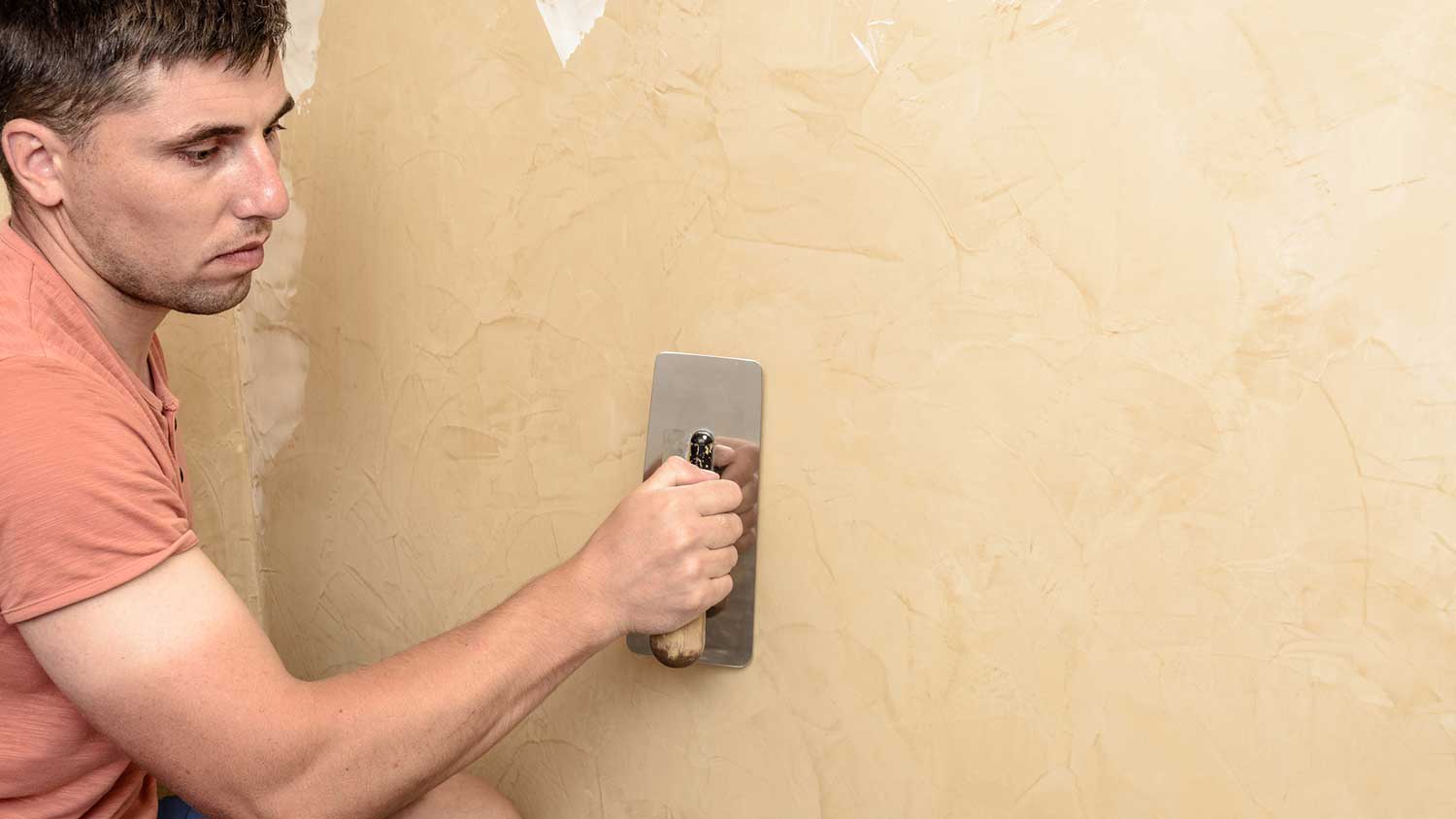
Drywall texture can create an attractive finish and add dimension to your home’s walls. This guide breaks down the factors that influence the cost to texture drywall.
Sanding drywall mud properly is a challenging—but rewarding—skill to learn

This project requires a lot of experience, so we don’t recommend DIYing it. Hire a pro with the special skills and tools necessary to complete the job safely.
Hanging the drywall is often the easiest part of a drywall project. Learning how to sand drywall and drywall mud is often far more challenging. Doing the mudding job well takes plenty of skill and practice. Even if you master this part of the job, though, you can ruin it pretty quickly with a haphazard sanding job. With these six steps, learn how to sand drywall and ensure a smooth, durable finish.
Wait for your drywall mud to completely dry because sanding wet mud can result in gouging and ruining the mudding job, forcing you to start over. How long does drywall mud take to dry? Expect to wait 24 hours to allow everything to dry properly.
One clarification: When people talk about sanding drywall, they’re talking about sanding the drywall mud, not the paper covering on the sheet of drywall itself. By sanding, you remove slightly uneven spots and bumps in the mud, creating a flat wall that’s ready for paint. With proper sanding, you can achieve a level 4 drywall finish.
Drywall dust is infamous for getting everywhere in your home and is very time-consuming to clean. Secure plastic sheeting over all entrances to the room with painter’s tape and close all vents to limit dust moving through the air into other parts of your home.
Lay a drop cloth or plastic sheeting on the floor to protect it and reduce cleanup time. Cover your furniture with plastic sheeting, too.

Always wear protective clothing, including safety goggles, work gloves, and a sanding respirator, when sanding. Sanding drywall puts silica dust into the air, which can cause lung irritation and shortness of breath (or worse with prolonged exposure). Wearing a sanding mask is absolutely critical.

With a drywall sponge, wet sand your drywall to smooth out ridges and gouges. Soak your drywall sponge in water and wring out the excess. Gently rub the sponge in a circular motion on the drywall mud until you have a relatively flat surface, including the edges. If the sponge dries out, rewet it and squeeze out the excess water.
Let everything dry to see what imperfections remain. Repeat the wet sanding process if necessary, or move on to dry sanding.
Wet sanding significantly reduces the dust in the air, and a sponge is the best tool to use in corners because sandpaper can cause gouges.

Place your sandpaper on a pole sander for high spots and on a sanding block for middle and low parts of the wall. Use 120-grit sandpaper when the mud is roughest (for instance, if you skipped the wet sanding step). Then, switch to 150-grit sandpaper for smoothing moderate roughness. Use 220-grit sandpaper for fine sanding and final touches.
Here are some tips for sanding drywall:
Apply light pressure and work in a push-pull motion in an overlapping pattern with even pressure.
Feather the edges to create smooth seams and a polished finish.
Use a very light touch across screw holes and seam tape.
Use fine-grit sandpaper to flatten areas with too much mud or where the mud has gouges.
Use a sandpaper block when finishing areas around electrical outlets and switch plates.
Vacuum the walls from the ceiling to the floor with a shop vac to remove drywall dust. Carefully remove the drop cloths and plastic sheeting. Vacuum the floors until the room is dust-free. Gently wipe down the walls with a slightly damp cloth to remove lingering dust. Once your walls are completely dry, they’re ready for priming and painting.

You may encounter some issues when attempting to sand drywall, such as:
Gouges: If you sand with too much force, you can gouge the mud, leaving it uneven.
Exposed tape: Removing too much mud through sanding may expose the drywall tape.
Low light: You may need to bring in additional lighting to be able to see any uneven spots in the mud, especially if working in new construction or remodeling areas where you don’t have electrical power.
Wet mud: If you try to sand mud that’s still wet, you will create a huge mess. Wait for it to dry.
Damaged paper: Drywall sheets have a paper covering that protects the drywall. What is drywall made of? It consists primarily of crushed gypsum with various additives. Sanding too hard could tear the paper and expose the gypsum, causing significant longevity issues.
Not sanding after priming: After you sand and prime the drywall, the paint may reveal areas with slight imperfections. After everything dries, you can sand again and then re-prime these individual areas.
Sloppily applied mud: Taking your time when applying each coat of drywall mud can save you time on sanding. If the mud is pretty smooth when it dries, you won’t need to sand as much as if you sloppily applied the mud.
Electric sander: Using an electric sander on drywall mud is extremely challenging, especially for a new DIYer. The pressure often removes too much mud, damages the drywall tape, or damages the drywall itself. Leave electric sanders to the pros.
By learning how to install drywall and sand drywall mud yourself, you are going to save quite a bit of money. Labor for drywall professionals can cost up to $100 per hour.
However, because sanding is such a challenging job to do well, it is going to take a novice significantly longer to do the job than a pro. If you make a mistake and sand too hard, you’ll have to start over with mudding and taping. In the long run, it may be cheaper and less frustrating to hire a local drywall contractor to do the work right the first time.
Crystalline silica is a toxic dust that's often generated during drywall installation, which can cause respiratory issues if exposed over time. A professional drywall installation company has the right tools to protect your home and ensure safe air quality after your project is completed.

There’s nothing wrong with learning how to sand drywall yourself to save some money, though. Just understand that it takes a lot of practice and patience. At the very least, reach out to a local drywall installer for a cost estimate, so you can weigh whether doing the job yourself is worth it.
Cancelled appointment two hours after they were supposed to come for drywall work.
 Hutch And Sons Drywall Services
Cole has been handling plumbing and general contracting for our four properties over the past three years, and he’s always done a great job. Most recently, he installed a sink and countertop in our retail store where none existed before, and it turned out exactly how we needed. He’s...
 ANB Renovations LLC
I would recommend this company to anyone! He showed up on time, was friendly, completed a very difficult repair on our dryer vent cover, was responsive, and pricing was extremely fair and competitive. I would have him back to do any of our repairs or cleanings without hesitation!
 U.S.A. Dryer Vent, LLC
I cant stop admiring my newly painted walls. Custom Paint Jobs LLC made my house feel brand new.
 Custom Paint Jobs, LLC
Excellent experience with hiring Tether House to Mount our 77’ Samsung TV in our bedroom. Fast, friendly, and knowledgeable. Highly recommend.
 Tether House
Excellent customer service and knowledge. I was recommend to him from my neighbour. My front door and window came in great and were installed beautifully perfectly, I m very satisfied with their excellent work, so decided to order one more big bow window for my living room. I cant wait for...
 Window Depot USA of Central Ohio
Would hire again. Wall looks great. Happy with job.
 Central Paving
Involved an extensive bathroom remodel, including removing tub & installing walk in shower, new drywall, custome tile work to ceiling, plumbing, etc. Overall, job was done on time and on budget. Nick & his team were very professional and had high attention to detail. Quality was great. Highly...
 Stamos Flooring and Remodeling LLC
We have had a great experience with Rising Height for the past five years on a number of miscellaneous renovation projects. They laid flooring for us and had a very good sub do the finish. Installed drywall for a vaulted ceiling, finished an attic/loft with new subfloor, framing and drywall,...
 Rising Height Unlimited
Mr. Lopez was super nice and professional. He repaired our drywall just as he described during the estimate phase. Our dining room wall looks great again! Thanks Mr. Lopez!
From average costs to expert advice, get all the answers you need to get your job done.
Drywall texture can create an attractive finish and add dimension to your home’s walls. This guide breaks down the factors that influence the cost to texture drywall.

Installing drywall is the most common way to finish your home’s interior. Use this drywall installation cost guide to see what your project is likely to cost.
Whether you want to spruce up a few dents and dings or fix a large surface area, investing in drywall repair costs can return your walls to a smooth, flush look.
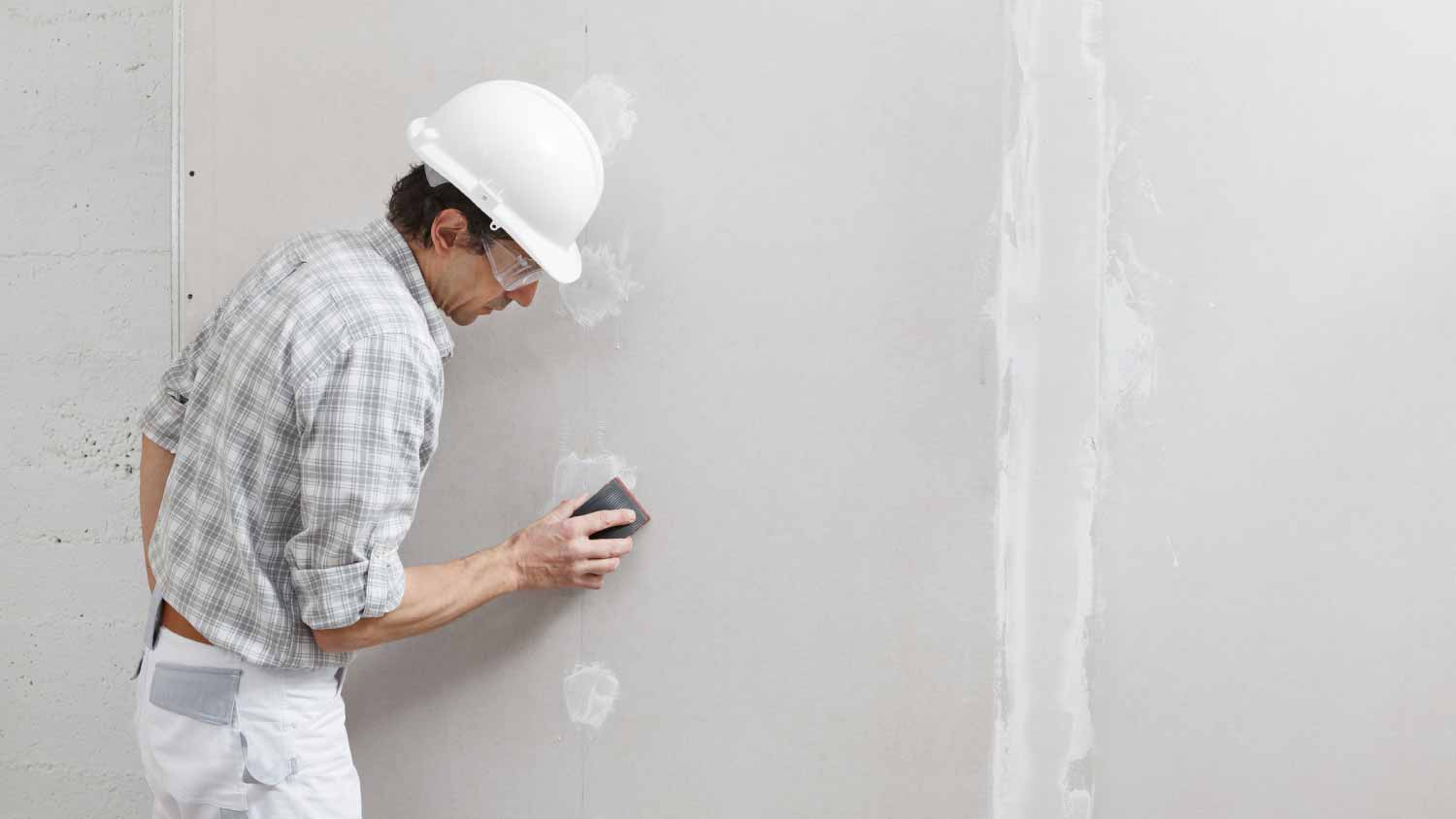
Wet-sanding drywall is a cleaner, safer alternative to dry-sanding. If you’re ready to give it a try, learn how to wet-sand drywall in this step-by-step guide.
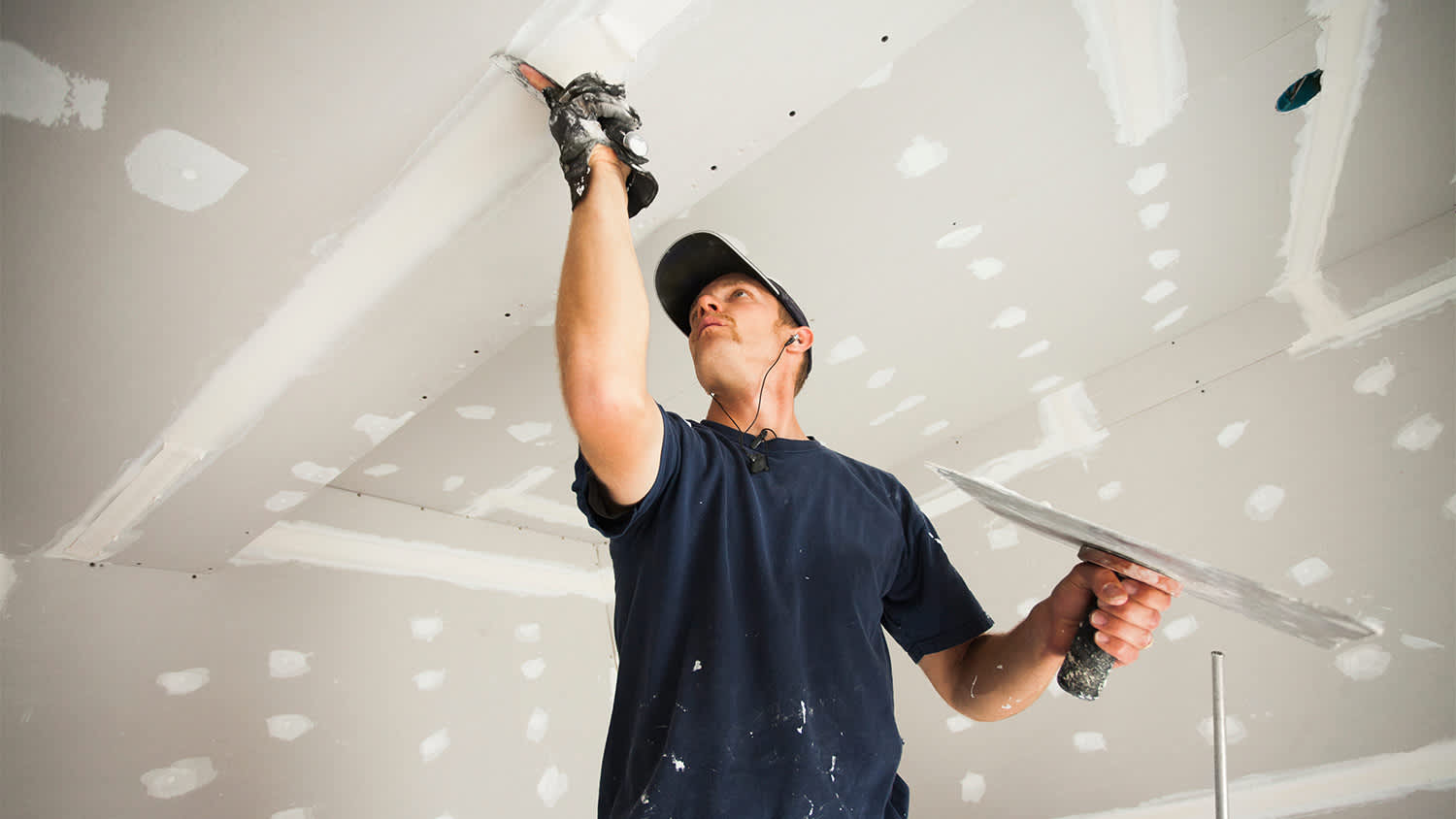
Ready to tackle that drywall project? Use this handy guide to make sure you have all the right tools for drywall perfection before you get started.

Looking for a unique design to accent your home? Consider these drywall texture types for increased style that's sure to be a conversation starter.