








Call Mr. Rooter Plumbing of St. George for all of your plumbing installs, construction, and service needs.Our technicians and our service is available 24/7. We have the experience and quality that you can rely on. Call now!
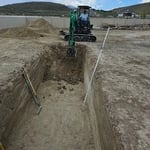
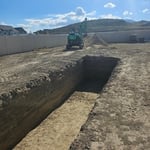
Excavation services involve the careful and precise removal of earth and debris to facilitate various construction projects. Whether it's digging foundations for buildings, trenching for utility installation, or creating space for landscaping features, Phynix's skilled excavation teams use specialized equipment to ensure accuracy and efficiency. From small residential projects to large-scale commercial developments, excavation services play a crucial role in laying the groundwork for successful construction endeavors. Experienced professionals prioritize safety, environmental considerations, and adherence to project timelines, ensuring smooth progress from start to finish.\nProviding comprehensive installation services for essential infrastructure, including sanitary sewer, water, irrigation, storm drains, and electrical conduits.
We are a Family owned and operated business, we take pride in our great employees and the excellence we all strive for in our work. The reward of 100% satisfaction from our customers is our focus and goal, we like to work directly with each client to achieve the result each individual wants or prefers. With over 8 years in the industry we can provide experience and solutions for whatever project or challenges you may have.
"I just pay $75 you never know who's going to come out. They do everything electrical. Just about everything is covered except the septic tank. I had an air conditioner replaced. It went great, all I had to do was pay for the freon. He didn't charge e more than what was needed."
Both materials are suitable for septic tanks, but concrete usually lasts longer than plastic. If you’re buying a new tank, the prices are similar for plastic ($500 to $2,500) and concrete ($700 to $2,000). However, there’s a notable difference in repair prices, with plastic tank repair costs ranging from $150 to $2,000, while concrete repairs are between $700 and $5,000.
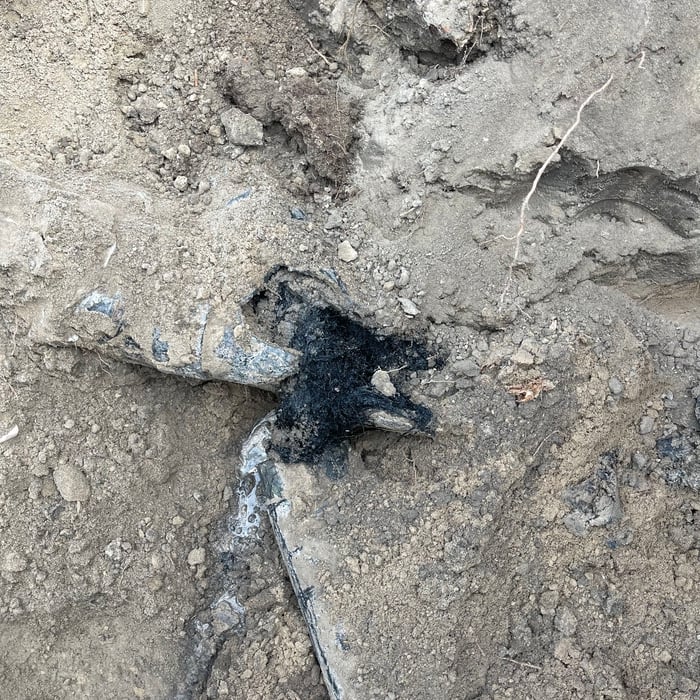
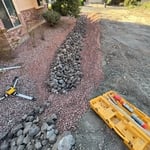
Leach lines are commonly made of PVC pipe, and they’re placed into trenches filled with gravel and sand, which help treat the wastewater. The PVC pipes are perforated, or drilled with small holes, so the wastewater can drain out of the pipes and into the surrounding material, which eventually leads to the aquifer.
While you can drain water softener backwash into a septic tank, doing so may cause several problems. One problem is that increased sodium chloride levels from water softener backwash can kill septic tank bacteria, decreasing the effectiveness of this wastewater treatment system. Another issue is that large calcium deposits can eventually stop up the drain field and lead to poor drainage.
Schedule annual inspections, test water pressure, and protect the pump from freezing temperatures.
Buying a well drilling kit will save you money over hiring a professional. That said, digging a well is risky. If you make an error, you may have to get help fixing it. Also, the DIY costs are still pretty hefty when considering everything needed to complete the project successfully. You’ll need to account for the permit, pump, water tank, and more. If you don’t feel comfortable taking the necessary precautions to tackle this on your own, go with a pro.
The Kanab, UT homeowners’ guide to septic tank services
From average costs to expert advice, get all the answers you need to get your job done.
Caring for your septic system is crucial to ensuring its long life. But how much does it cost to pump a septic tank? We explore the different cost factors.
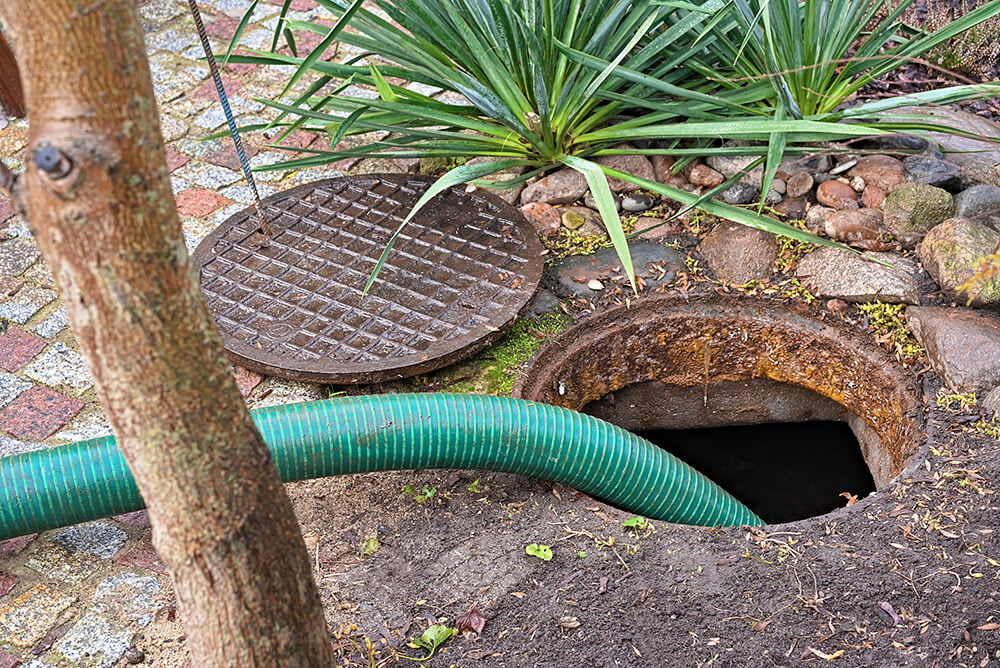
A damaged septic system can leak odors and sewage, so repairs are urgent. Find out how much septic tank repair costs based on repair type, tank size, and more.
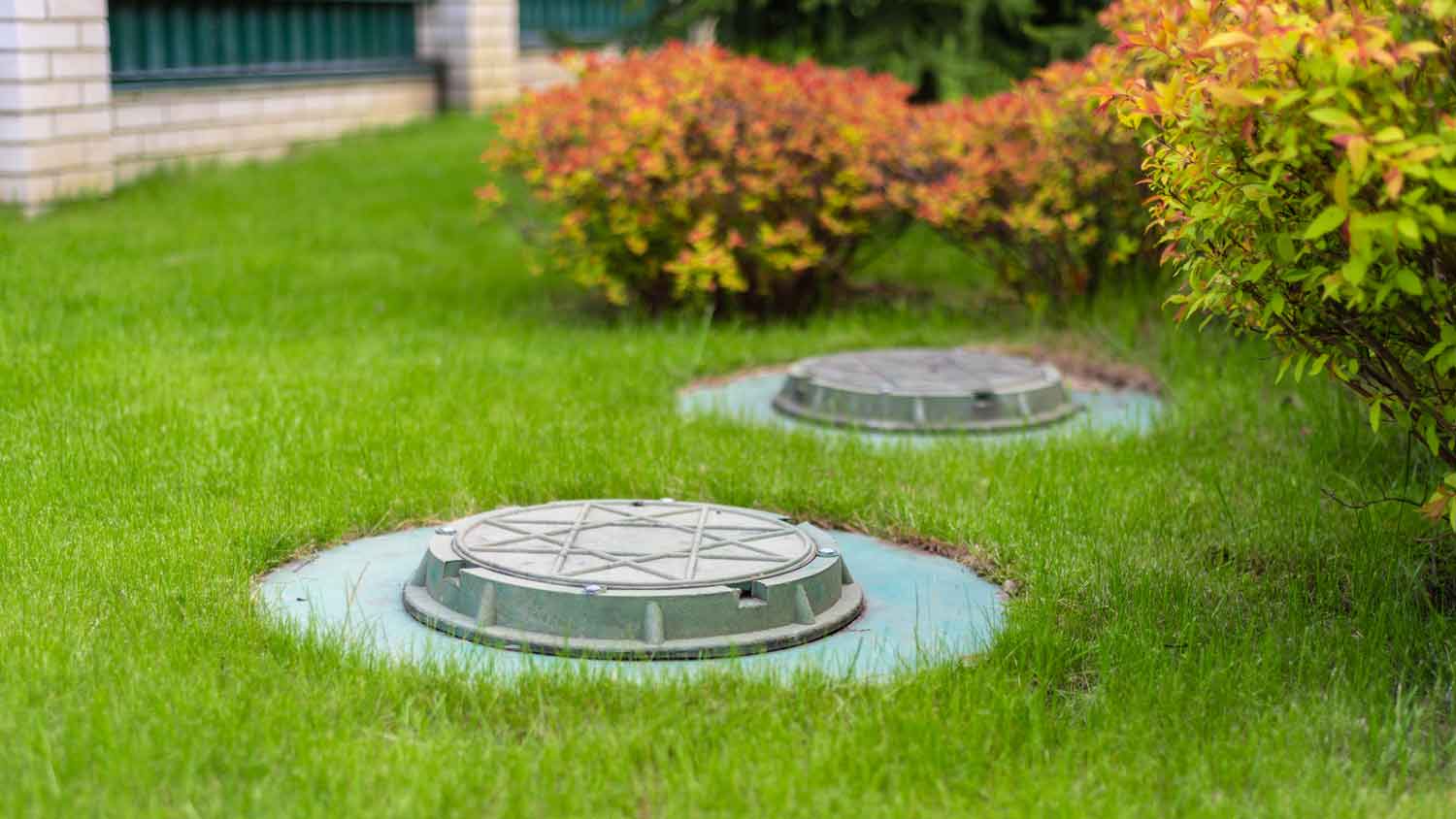
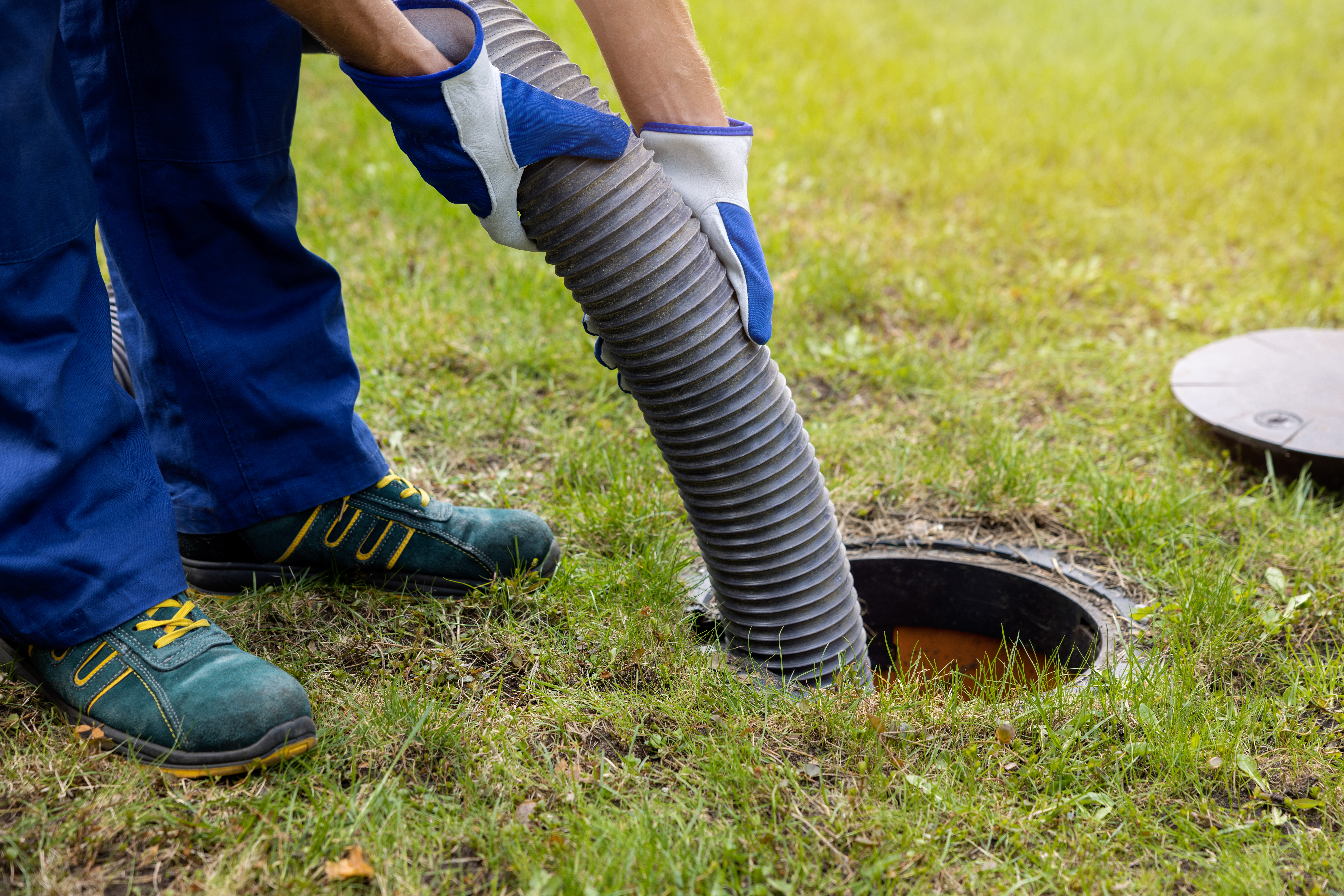
Septic tank risers make it easy to access your septic tank when it’s time for routine inspection, maintenance, and pumping, saving you precious time and labor costs.
Septic tank sizes vary depending on the size of your home, how many people live there, how much water you use, and more. Read on to learn how to determine the right size for you.