








"He was able to quickly diagnose that the water leak from the water heater was a result of a ruptured tank, resulting in the need to replace the entire water heater."
"I just pay $75 you never know who's going to come out. They do everything electrical. Just about everything is covered except the septic tank. I had an air conditioner replaced. It went great, all I had to do was pay for the freon. He didn't charge e more than what was needed."
Every customer's individual needs are important to us at Mr. Rooter® Plumbing. Our focus of providing quality plumbing service and products combined with honesty has made our plumbers the first choice of many residential and commercial clients worldwide. You can count on a Mr. Rooter plumber to take care of your plumbing and drainage needs-day or night with never an overtime charge.
For homes with a septic tank, harsh chemicals like those found in drain cleaner or bleach aren’t recommended. Some chemical drain cleaners can disrupt the balance of bacteria in the septic tank or damage your pipes. For homes with a septic tank, you can choose drain cleaners specifically formulated for use with septic tanks or go with a drain snake. When in doubt, make sure you know who to call for a clogged drain.
Most shallow residential wells are somewhere between 25 and 50 feet deep. They are among the simplest well systems. Deeper wells usually involve drilling to a much greater depth. Water wells for household use are typically 100 to 500 feet deep, depending on local groundwater conditions. Some may be up to 1,000 feet deep or more.
Most home wells start at 100 feet, and many go as deep as 200 or 300 feet.
It takes quite a lot of water to meet the demands of showers, toilets, faucets, and appliances like dishwashers and laundry machines, and shallow wells struggle to provide this amount quickly. If you anticipate having high water usage in the future, it’s often better to drill slightly deeper and give yourself a bit more water storage than you need.
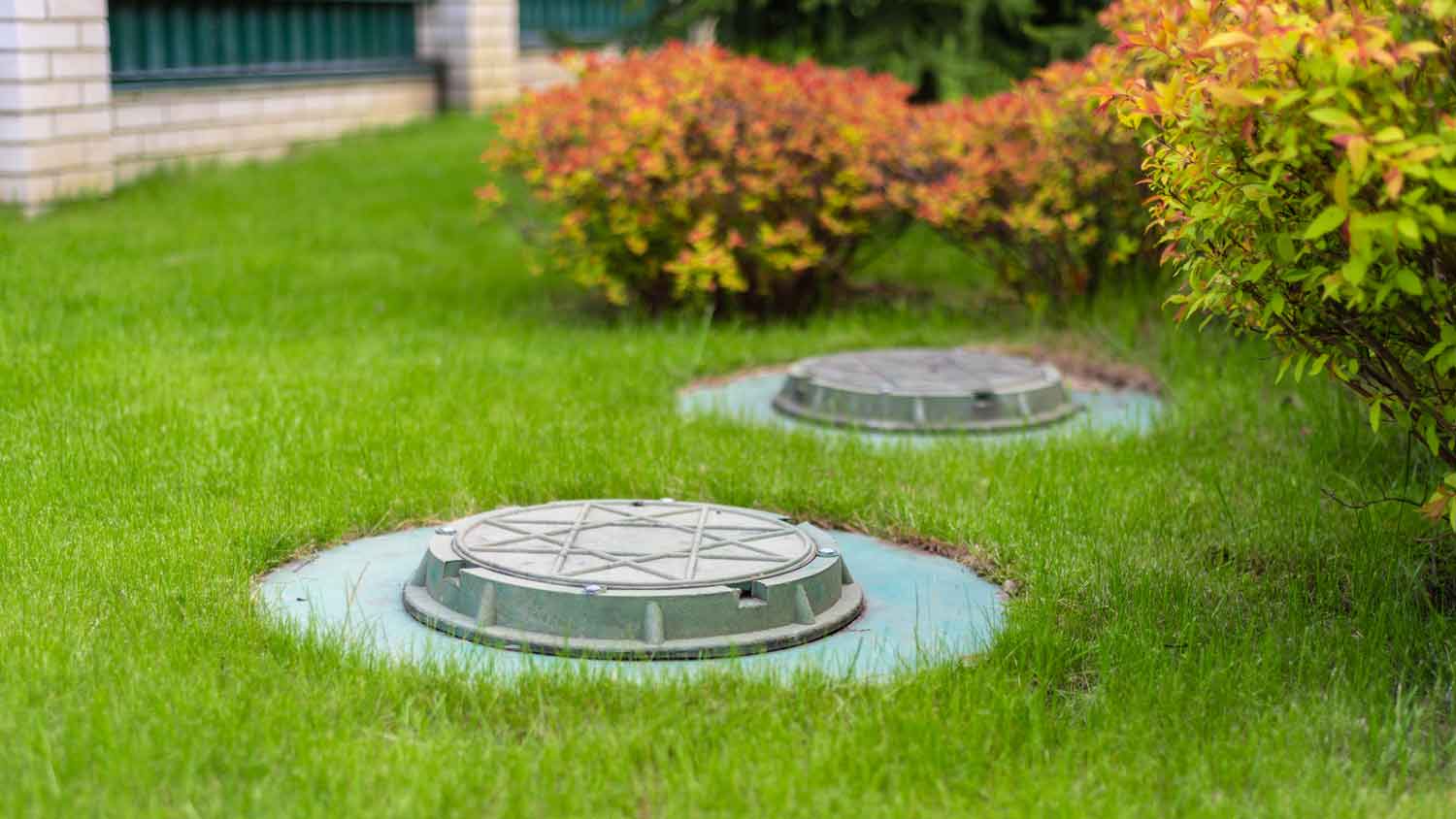
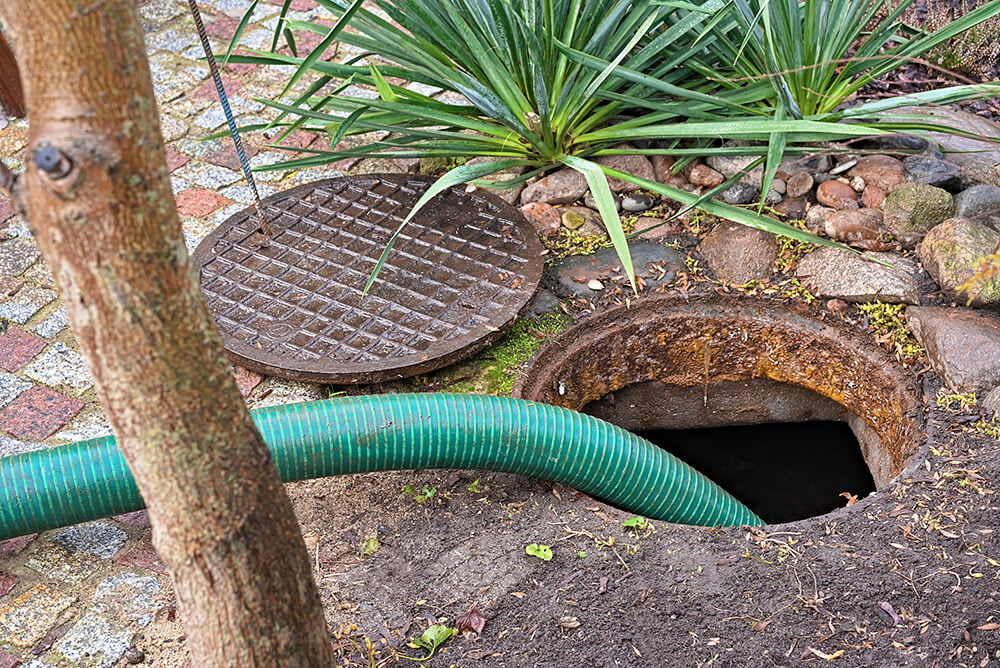
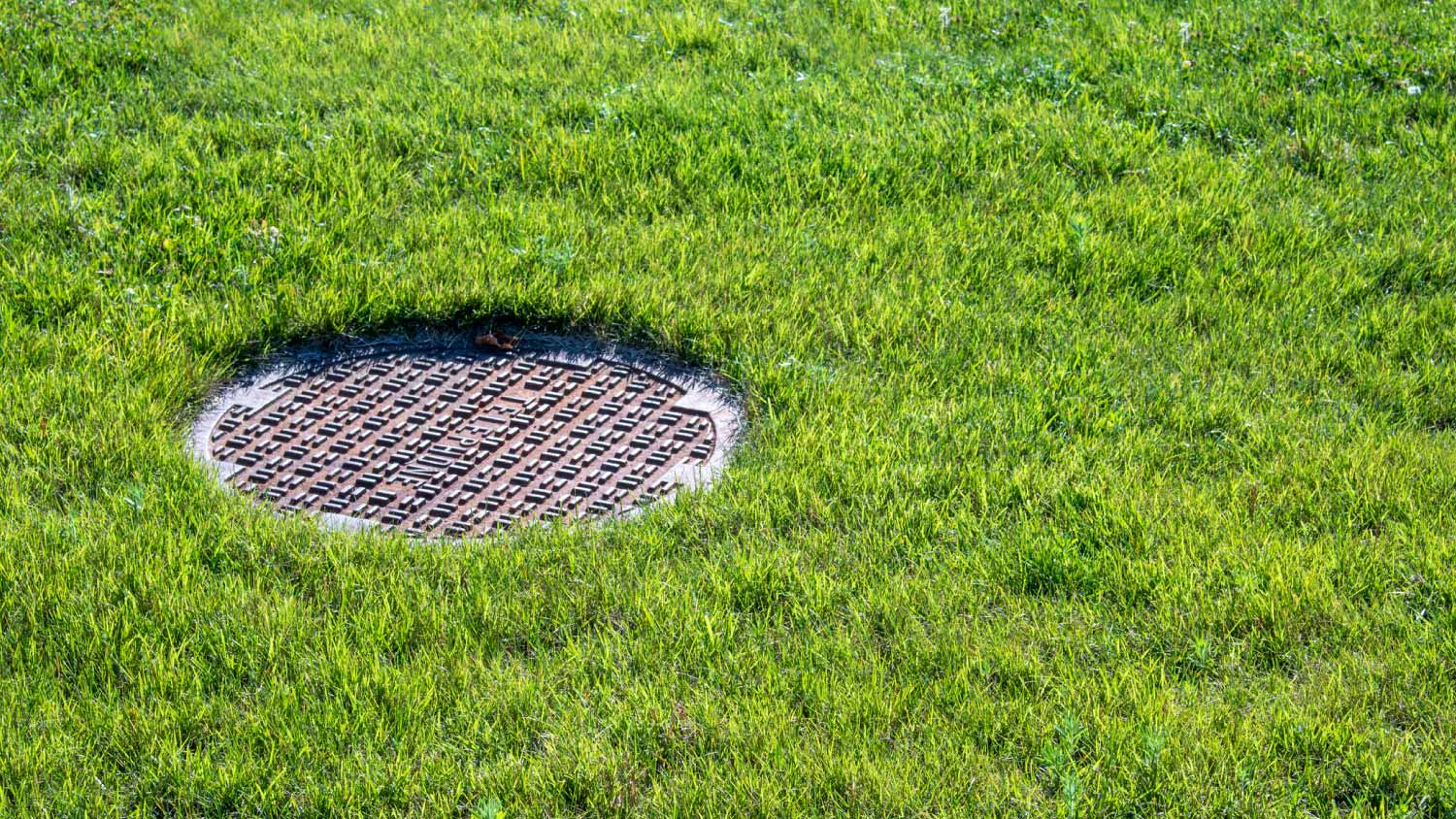
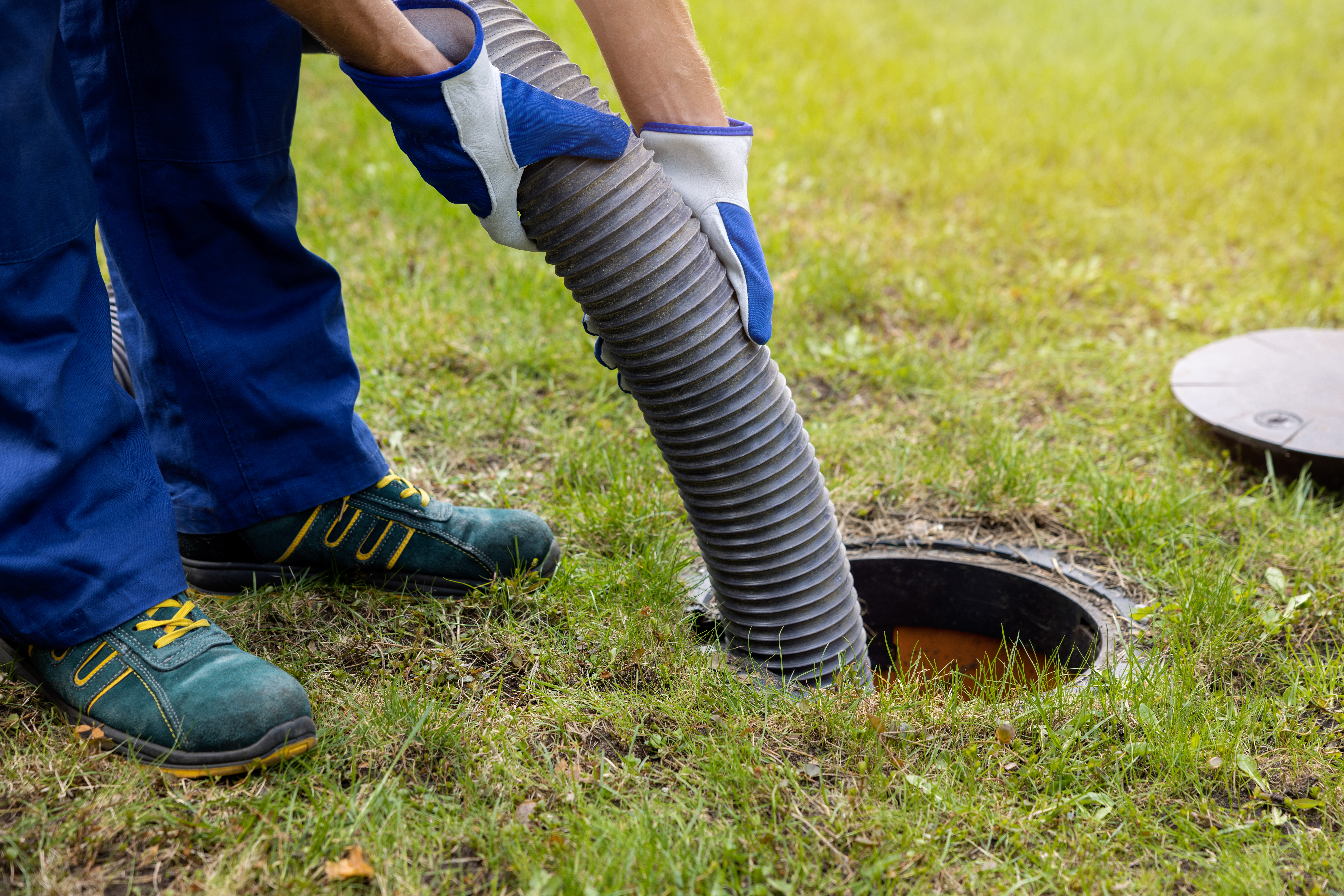
Your septic tank may be full or clogged if you notice household drains that are backed up, draining slowly, or gurgling; greener, lusher grass around the septic system; pooling water in your yard; or smelling sewage odors outdoors. You can contact a local septic tank pro to inspect your septic system and pump your tank.
A well pressure tank typically lasts between 5 and 15 years. However, its lifespan can be influenced by several factors. High-quality, appropriately sized tanks tend to last longer, with some top-of-the-line models lasting up to 30 years. Regular annual maintenance, including inspections, cleaning, and prompt repairs, is crucial for extending the tank's life. Water quality also plays a significant role; water with high levels of sediment, minerals, or rocks can cause premature wear. Overworking an undersized tank can also limit its lifespan.
The Cameron, AZ homeowners’ guide to septic tank services
From average costs to expert advice, get all the answers you need to get your job done.
Caring for your septic system is crucial to ensuring its long life. But how much does it cost to pump a septic tank? We explore the different cost factors.
A damaged septic system can leak odors and sewage, so repairs are urgent. Find out how much septic tank repair costs based on repair type, tank size, and more.
Septic tank risers make it easy to access your septic tank when it’s time for routine inspection, maintenance, and pumping, saving you precious time and labor costs.
Septic tank sizes vary depending on the size of your home, how many people live there, how much water you use, and more. Read on to learn how to determine the right size for you.