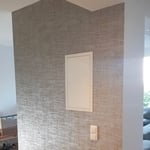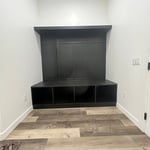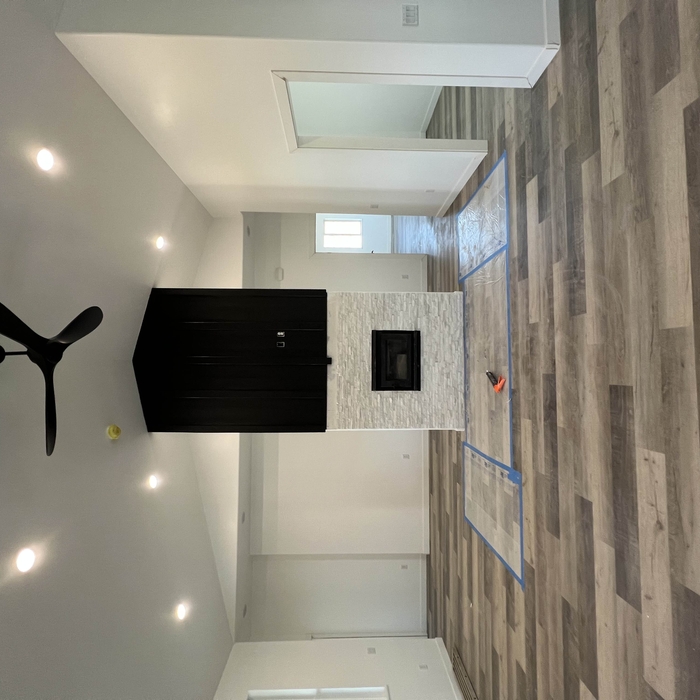



Top-rated painters.

Get matched with top painters in Fillmore, UT

Enter your zip and get matched with up to 5 pros

Need a pro for your painting project in Fillmore, UT?

Select your specific project to find the pro for you.

Find Painters in Fillmore

Ernz Painting
3.2(
3
)
Exterior Home or Structure - Paint or Stain: LargeInterior Painting or Staining: 1 - 2 RoomsInterior Painting or Staining: 3 - 4 Rooms+3 more

Serving Fillmore, UT and surrounding areas

In business since 2012

Free estimates

Credit card accepted

Ernz Painting is dedicated to providing our customers with the best quality and craftsmanship. We are here to build relationships with our customers and communities. No job is too big or too small! We look forward to working with you!

Response time30 mins
Showing 1-10 of 19
Painting questions, answered by experts

Painting or staining protects fences from environmental damage, enhances durability, and improves curb appeal with a fresh, customized look.

On most untreated wood fences, there is no need to sand before treating. You typically only need to sand if there’s an old coat of paint or stain on your fence. If you do need to sand off a previous paint or protective coating (like an old stain or sealant), use medium-grit sandpaper.

Yes, you can waterproof any wood that has not already been treated. A good way to test this is to splash some water on it. If the water starts to bead up, the wood is treated and most likely doesn’t need another coating.

If possible, it is beneficial to paint both sides of your fence to protect the fence more completely from the elements. Painting both sides of your fence will create a more consistent appearance as well. However, the time and cost involved in painting both sides of the fence may cause people to paint only the side they see.

Staining or sealing a cedar deck or fence is highly recommended to extend its lifespan and protect it from the elements. While cedar is naturally resistant to mold and mildew, it is not impervious to damage from moisture, sun exposure, splintering, fading, and rot over time. Applying a protective finish creates a shield that preserves the wood's strength and appearance, potentially extending its life by five to 10 years.

When choosing a finish, it's helpful to understand the difference between a sealer and a stain. A sealer sits on top of the wood, whereas a combination stain and sealer soaks into the top layer. Because it penetrates the wood, a stain generally offers better protection against UV damage and rot and lasts significantly longer. For the best results that also preserve the wood's natural color, consider using a near-translucent stain.

To maintain protection, plan on reapplying the stain or sealer every two to three years, either as a DIY project or by hiring a professional.

The Fillmore, UT homeowners’ guide to painting services

From average costs to expert advice, get all the answers you need to get your job done.