Direct Contractors Corporation is committed to excellence in every aspect of our business. We uphold a standard of integrity bound by fairness, honesty, and personal responsibility. Our distinction is the quality of service we bring to our customers. Accurate knowledge of our trade combined with ability is what makes us true professionals. Above all, we are watchful of our customers' interests, and make their concerns the basis of our business.\n
Customer satisfaction is what determines our success, which is why we take a hands-on approach. When interacting with DB BUILDING INC, you'll notice that we're particularly focused on the principles of quality workmanship, timely completion, competitive pricing and integrity in all our business dealings. We combine knowledge and research with our extensive practical experience to ensure a specialized approach for your project needs. Contact us today for a fair and accurate estimate of your project. We look forward to adding you to our long and growing list of happy customers.
"These guys are great! The quality of work is second to none. I changed the type of turf I wanted at the last minute and it wasnâ t a problem at all, they had the new turf within 5 days and got the job done quickly."
"Wonderful! Carlyn is very helpful and easy to work with. He was very prompt, had excellent communication, and did a clean job. I hired him twice, once for scraping of my .25 acre lot, and once to scrape and replace gravel in my small backyard."
Multiple rules of thumb exist when discussing tree planting. When planting a tree, the best rule of thumb is to provide it with everything it needs to survive and thrive in its new environment. That may mean learning about the type of tree you're planting and studying the best methods of taking care of it before purchasing and planting.
While both fall and spring are suitable times of the year for planting trees, fall is typically the better option. Soil stays warm long enough to allow tree roots to establish in fall before they go dormant, while spring might give way to intense summer heat before spring-planted trees have time to grow strong roots.
During the fall, you’re likely to see foliage in stunning shades of orange, red, yellow, and brown. These colors emerge because of a seasonal decline in the pigment chlorophyll that makes leaves green.
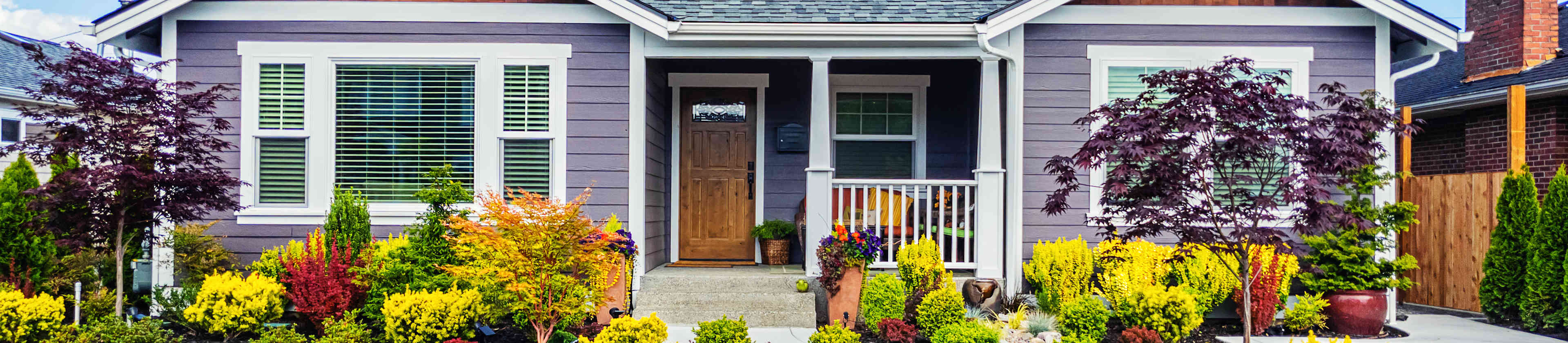
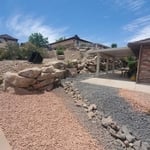
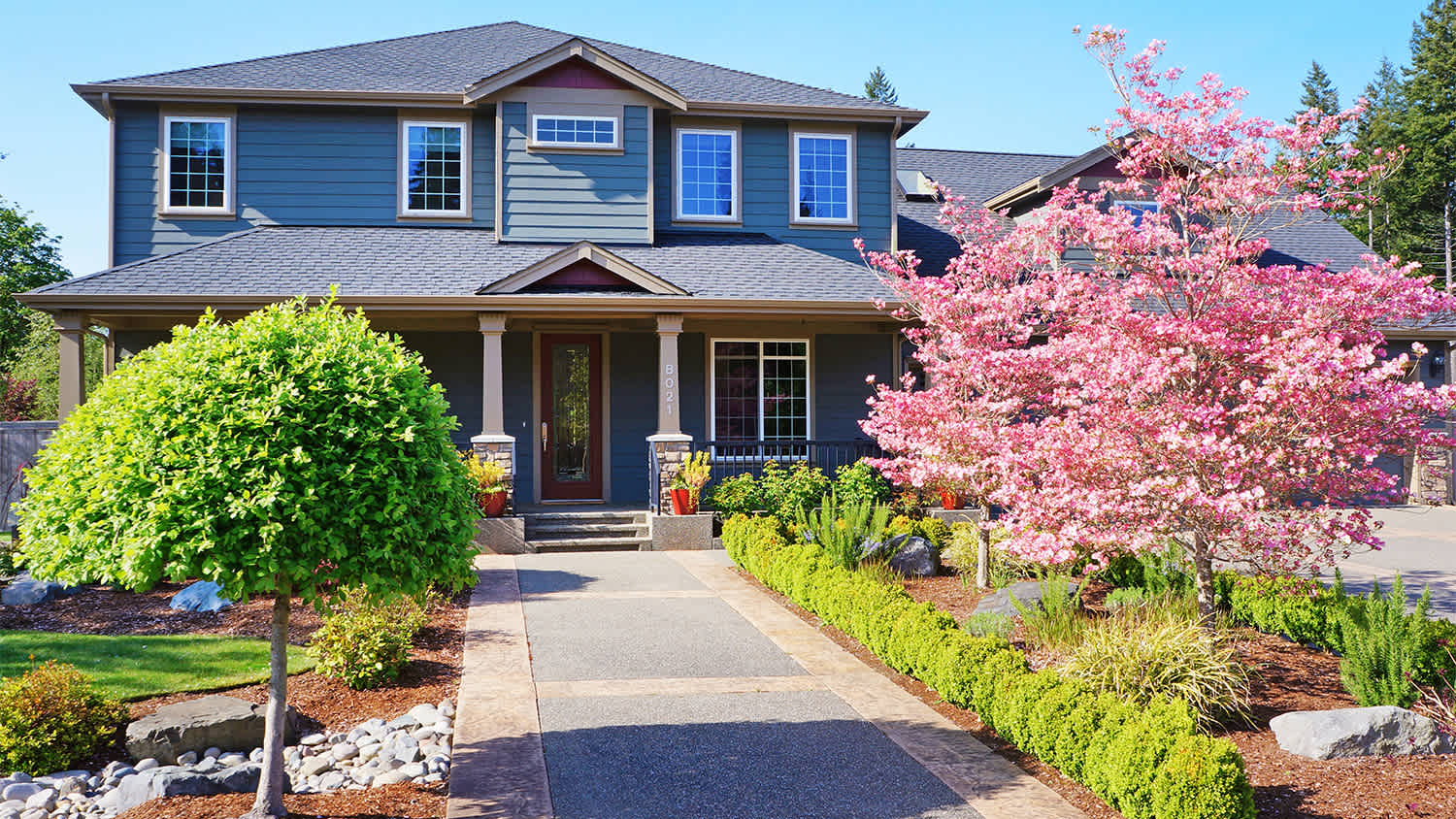
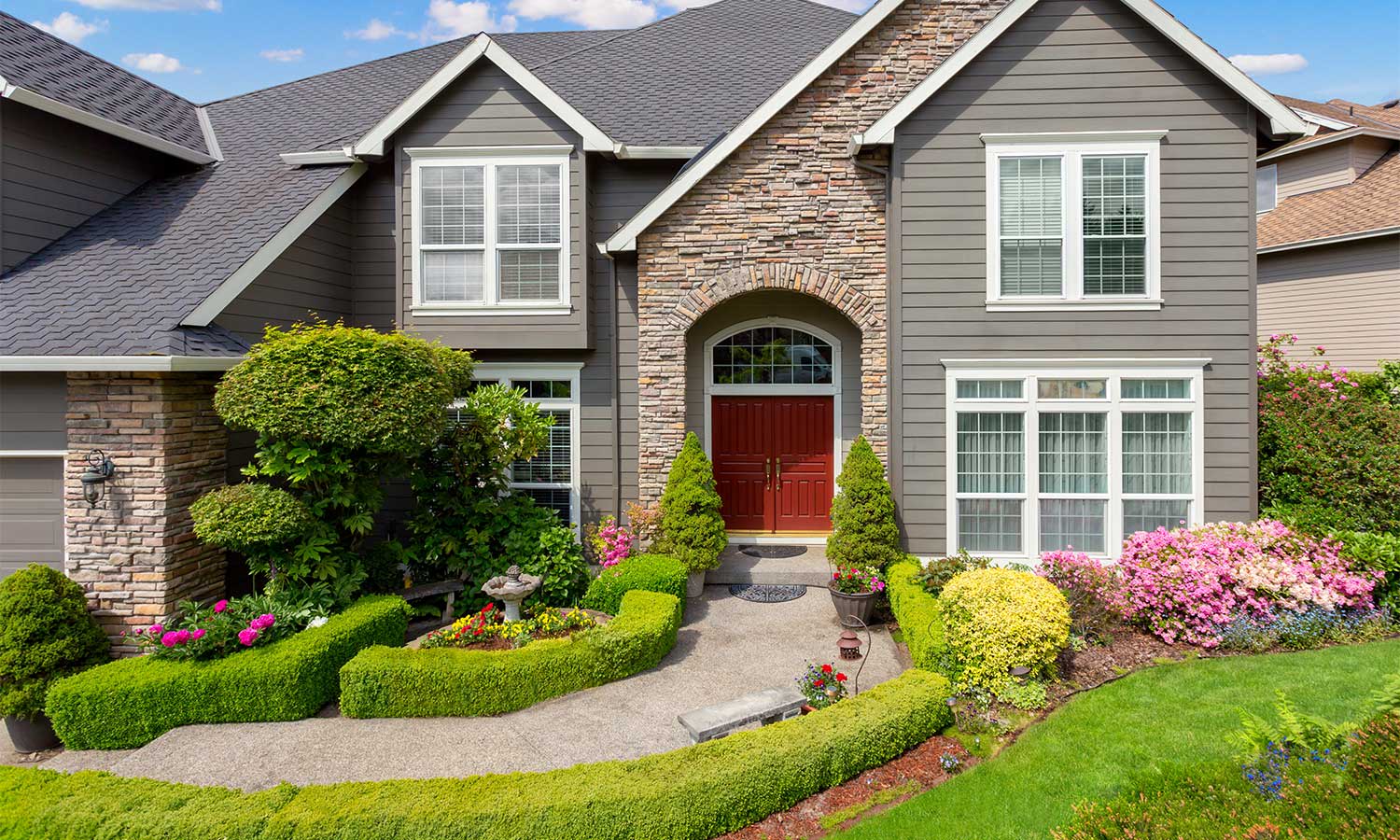
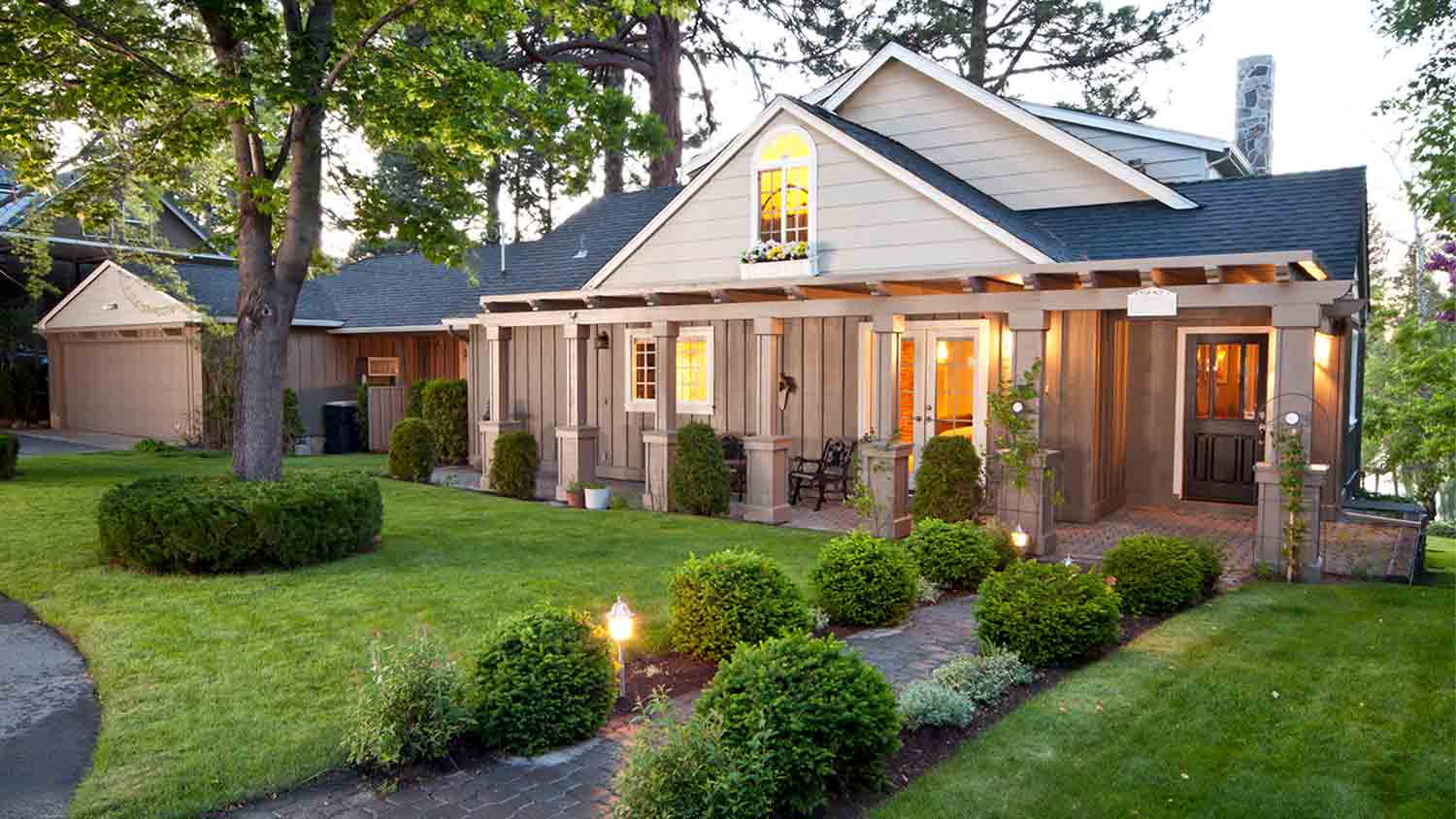
The condition and appearance of your yard can affect your home appraisal value. A well-maintained, attractive yard with curb appeal adds to a property’s value, while an overgrown, messy, poorly maintained yard can hurt your home’s appraisal. Even small cosmetic improvements to your yard, like adding mulch, trimming trees, and cleaning out plant beds, can help your appraisal value.
If you live in an area with heavy rain or you like the idea of an extra layer of cushion under your feet, you may want to consider adding additional layers under your grass. There are pads that are purely for comfort and ones that can help accelerate drainage for those heavy rains.
The Ferron, UT homeowners’ guide to landscaping services
From average costs to expert advice, get all the answers you need to get your job done.
A landscape designer can elevate your outdoor space and bring your vision to life. Use this landscape design cost guide to budget for your next project.
A good landscaping website can help you land more sales and build your credibility. Read our list of must-have pages and ideas for your website to help potential clients find you and drive more business for your lawn care company.