







Top-rated buffing and polishing pros.

Get matched with top buffing and polishing pros in Tool, TX

Enter your zip and get matched with up to 5 pros

Need a pro for your buffing and polishing project in Tool, TX?

Select your specific project to find the pro for you.

Find Buffing and polishing pros in Tool

HEAVEN SENT FLOOR CARE
4.9(
35
)
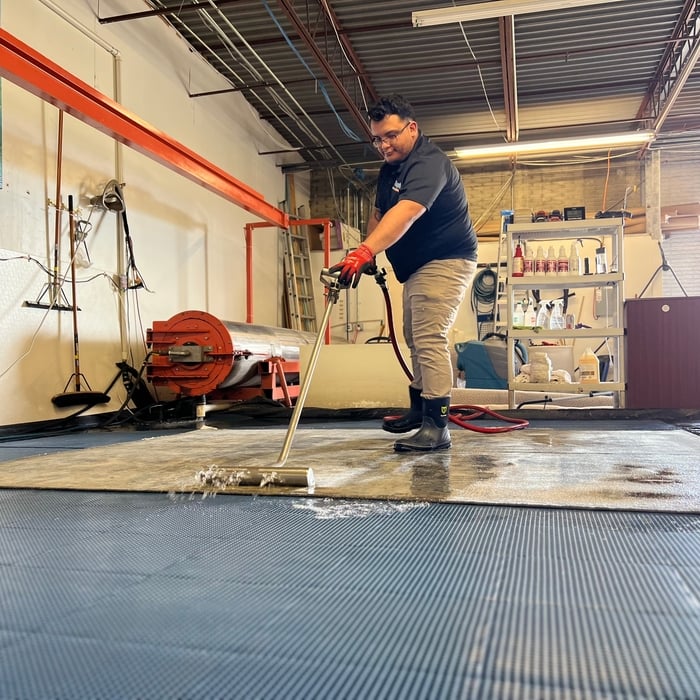
Clean & Polish Flooring - For Business

Serving Tool, TX and surrounding areas

In business since 2001

Credit card accepted

"From the initial estimate to the completion of the work, it was a pleasure using Ken and his assistant Warren. They started when they said they would and stayed a bit longer than planned to make sure they had thoroughly cleaned up around the work area. Prior to starting the process, they placed protective covers and tarps over the adjacent floor areas. They were careful to contain the grinding slurry using a wet vac to remove excess material. It took repeated passes with the finer and finer grit pads to achieve the final results, but my wife and I are very pleased with the outcome. Even the other tradesmen working in the house were impressed with the improvement. In addition to the refinishing, Ken took time to offer suggestions on maintaining the floor finish along with warnings about what cleaning practices should be avoided."
Recommended by100%of homeowners
...
Showing 1-10 of 58
Buffing and Polishing questions, answered by experts

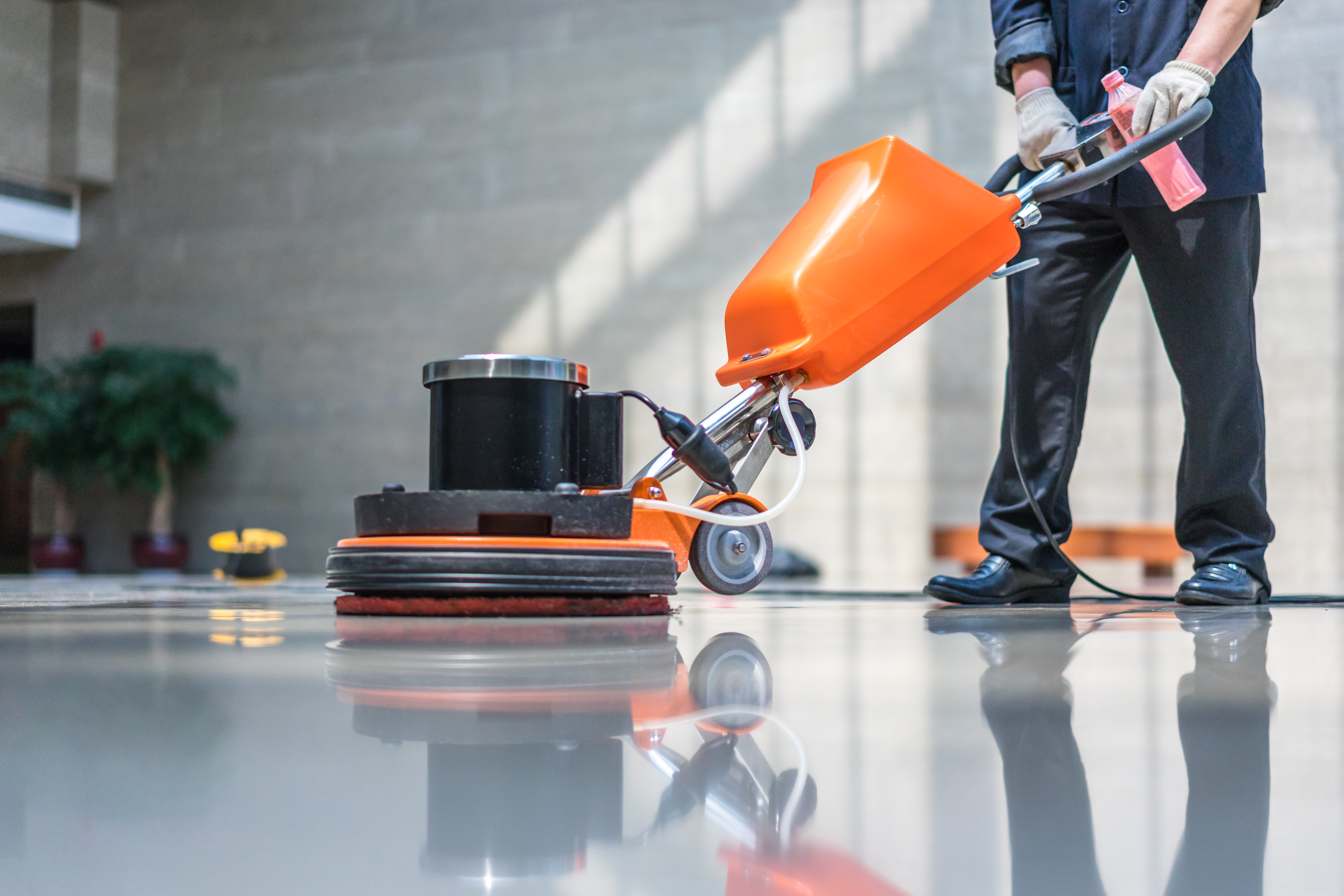
Buffing is a less expensive and less time-consuming alternative to other floor repair techniques, but it’s only ideal for removing surface-level scratches and damages. Floor-buffing machines work to gently smooth out the floor’s top layer rather than removing it the way that sanding does. 

This process is ideal for gently worn floors, but it won’t have the desired impact on floors with severe damage. On the other hand, sanding fully strips the floor’s top layer so damages beneath the surface are accessible to remove or repair. Since the process is more involved, it requires more time, tools, and experience to achieve the best possible results.

Silestone® isn’t recommended for outdoor use because UV rays can damage the surface. Long-term exposure to direct sunlight can cause discoloration. Instead, choose an outdoor-friendly countertop material like tile, concrete, stainless steel, or natural stone. If you do choose a natural stone, make sure you either seal it or avoid highly porous stones. For example, choose soapstone over marble.

Silestone® is a low-maintenance countertop material, but certain things, like strong chemicals and solvents, can cause damage. Abrasive scrubs can cause scratches, and products that contain oil or powder can leave a residue. Finally, avoid letting oven cleaner come into contact with Silestone® because it can cause discoloration.

Like most stones, limestone should be sealed. Its porous nature makes it prone to staining from spills, and the iron in the stone can cause it to turn yellow when exposed to moisture or harsh chemicals. Proper sealing can help prevent these problems and protect the stone's appearance.

Yes, limestone often turns yellow over time when improperly cared for. The stone contains natural iron deposits, which can oxidize when exposed to water, acids, or harsh chemicals, such as bleach. Without exposure to water or chemicals, limestone should not turn yellow. Always seal limestone countertops to protect them from moisture, and only use gentle cleansers designed for stone.

The Tool, TX homeowners’ guide to buffing and polishing services

From average costs to expert advice, get all the answers you need to get your job done.