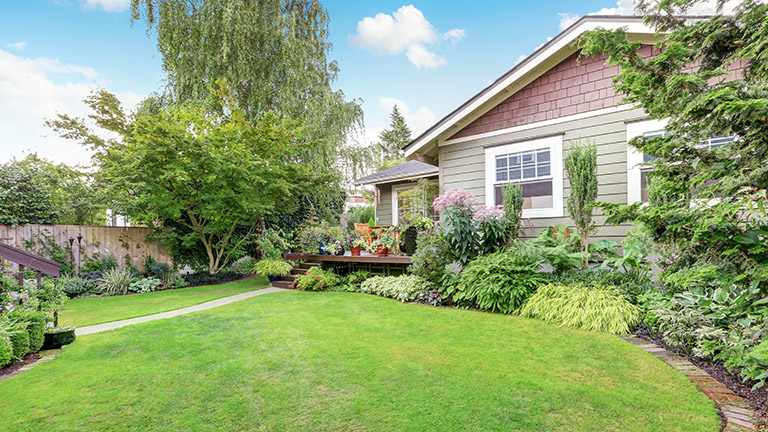






Top-rated lawn care providers.

Get matched with top lawn care providers in Tool, TX

Enter your zip and get matched with up to 5 pros

Need a pro for your lawn service project in Tool, TX?

Select your specific project to find the pro for you.

TRUSTED BY TOOL, TX HOMEOWNERS

  • Average homeowner rating star icon4.5
    Average homeowner rating
  • Verified reviews icon176
    Verified lawn services reviews

Find Lawn care providers in Tool

Avatar for All in Hauling
All in Hauling
4.8(
8
)
Lawn & Yard Waste Clean UpLawn Care - Fall / Spring Clean Up - For BusinessLawn Care - Maintain and Mow a Lawn+1 more

Serving Tool, TX and surrounding areas

Approved

In business since 2000

Free estimates

Offers commercial services

We pride our company on reliability, great communication, integrity, and quality work. We strongly believe in giving our absolute best in all of our projects no matter how big or small. We are experts in our trade and will always keep you educated on your particular task or project. We look forward to earning your business!

Avatar for Roden's Painting
Roden's Painting
4.2(
16
)
Handyman for Multiple Small Projects

Serving Tool, TX and surrounding areas

Approved

In business since 2013

Free estimates

Customers say: Terrific value

"This company is VERY professional and true to their word. They painted the whole interior of my house, applied texture and stained my decks. I would hire them to do any work they say they are capable of."
Response time2 days
Recommended by88%of homeowners
...
Showing 1-10 of 440
Lawns questions, answered by experts

Junk removal usually includes removing unwanted items from your property, loading it into a dumpster or a truck, and then carting the junk off of your property to be disposed of at a dump site. In most cases, your dumping fees—charged by the dump site—are included in your estimate, but you might want to confirm this expense with your junk removal team. Some junk removal companies offer additional services, like a deep clean after junk removal and moving and packing services, in case you’re getting rid of garbage as part of your relocation efforts.

The best way to landscape your front yard on a budget is to invest in hiring a professional for hardscaping—things like upgrading walkways, redoing driveways, and installing partitions around garden beds. You can often do the softscaping yourself—think laying down mulch, caring for your lawn, removing weeds, and planting flowers and shrubs. It’s also almost always worthwhile to pay a professional for routine yard maintenance, as this dramatically improves curb appeal and delivers above 100% ROI in most cases.

While a rented dumpster can handle a wide variety of materials, there are significant restrictions on what is allowed. Generally, you can dispose of most non-hazardous household junk, yard waste, and construction debris.

Accepted items typically include:

  • Furniture, carpets, old linens, and toys

  • Wood and yard debris

  • Small appliances and excess trash

  • Renovation waste like old finishes, building debris, and roofing materials (unless they contain lead paint or asbestos)

However, you cannot put toxic, flammable, or hazardous materials in a dumpster. Prohibited items almost always include:

  • Paint, gasoline, oil, and other fuels

  • Household cleaners and other chemicals

  • Electronics, batteries, and tires

  • Refrigerators, hot water tanks, and medical waste

Since regulations can vary by location and company, it is essential to check with your dumpster rental provider for their specific list of accepted and prohibited items before you begin.

While a river may seem safer than the street, blowing leaves into the water can cause a lot of problems. Leaves can alter the local ecosystem, encourage bad algae growth and block narrow waterways. In large numbers, leaf debris can lead to fish death events in nearby bays or lakes and require expensive dredging to address. That’s why many cities also ban blowing leaves into water.

To remove old grass effectively, you typically need to dig to one to two inches. This depth typically allows you to reach the root system of the grass, ensuring thorough removal. However, if the grass is a particularly dense or deep-rooted variety (such as Bermuda grass), or if you're planning to replace it with a different landscaping feature, you may need to dig deeper to loosen the soil and remove any underlying roots.

The Tool, TX homeowners’ guide to lawn services

From average costs to expert advice, get all the answers you need to get your job done.