


Ortega's tree services and more
Tree RemovalTree Stump - RemoveTree Trimming
Serving Goliad, TX and surrounding areas
Approved
Safety, fast and affordable tree services

 4.5
4.5  13
13 *The Angi rating for Arboricultural Service companies in Goliad, TX is a rating based on verified reviews from our community of homeowners who have used these pros to meet their Arboricultural Service needs.
*The HomeAdvisor rating for Arboricultural Service companies in Goliad, TX is a rating based on verified reviews from our community of homeowners who have used these pros to meet their Arboricultural Service needs.
Last update on July 02, 2026
Serving Goliad, TX and surrounding areas
Approved
Safety, fast and affordable tree services

Serving Goliad, TX and surrounding areas
Approved
Free estimates
Emergency services offered
Small jobs welcome
DebriCo is a full service Junk Removal and Dumpster rental service that caters to laredo and surrounding areas.
Serving Goliad, TX and surrounding areas
In business since 2006
Free estimates
"Fine people and very cordial. They removed one 45-year-old oak tree, trimmed three more, and removed three tallow trees. They had some equipment problems and underestimated the breadth of the project, which extended the estimated length to do the job by 3 days. However, they held true to the quote and did a good job cleaning up fter the project was done. I would hire them again."
Serving Goliad, TX and surrounding areas
In business since 2025
Free estimates
Emergency services offered
"Extremely professional timely and flexible. Responded within hours of request and completed job before other two contractors had responded asking if they could quote job. Highly recommend him for your tree service work."
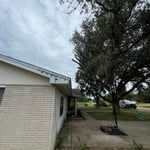
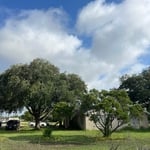
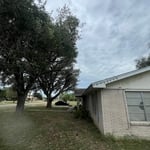
Serving Goliad, TX and surrounding areas
In business since 1982
Free estimates
"Project: Trim trees, remove one tree, remove ball moss Great crew, cleaned up every evening, very courteous. We added another project to remove two additional trees. Project was completed to our satisfaction."
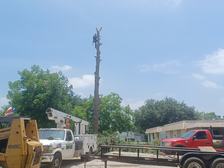
Serving Goliad, TX and surrounding areas
In business since 2019
Free estimates
Emergency services offered
"Very efficient service, was professional in every aspect of services performed, was on time, and got the job done within the time promised. I would definitely recommend this company to anyone needing their services."
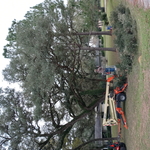
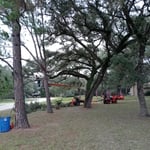
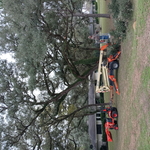
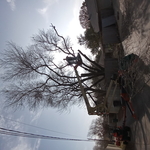
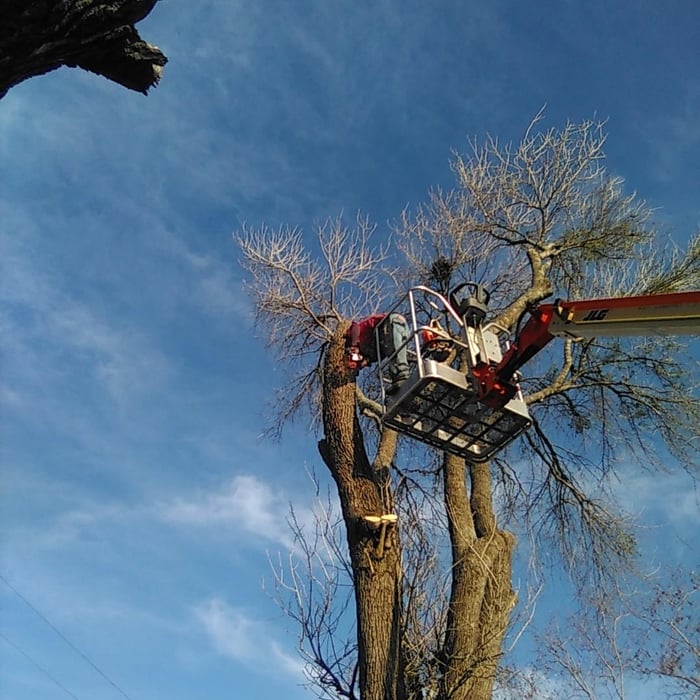
+6
Serving Goliad, TX and surrounding areas
In business since 2017
Free estimates
Credit card accepted
"They did the job with more experience and expertise than I expected. They did a WONDERFUL job on my trees. I love the fact that they actually haul off the tree cuttings. I noticed they clean as they go. When all was said and done my yards looked great. I have recommended them to several of my friends and will continue to do so. They did a tremendous job. I am so glad I chose Home Advisor and found them."
Serving Goliad, TX and surrounding areas
In business since 1995
Free estimates
Emergency services offered
"Provided amazing service and assessment of my tree. Excellent and timely communication."

Serving Goliad, TX and surrounding areas
In business since 2015
Free estimates
Credit card accepted
"Awesome job. Thank you to Old Man Joe's Construction and Contracting and to Luis Garcia for a job well done. Very pleased with replacement of my skylight. Highly recommend this business"
From average costs to expert advice, get all the answers you need to get your job done.

How much does an arborist cost? This guide explains the cost of different services, ongoing expenses, and other factors to consider when hiring an arborist.

Discover the average tree maintenance cost, key price factors, and tips to save. Get expert insights to plan your tree care budget with confidence.

What is an arborist and do they cut down trees? Learn what an arborist is, the services they offer, and when to hire one.

Arborists are specialized tree care experts. This guide will help you hire an arborist with all the qualifications to give your trees the best care possible.

If your feline friend has found itself stuck up a tree, don’t call 911. Reach out to an arborist instead. Here’s what to know.

The upkeep and care for your trees should sometimes be left to a professional. Learn all the reasons why so you know when to call an arborist.