







Top-rated pool table assembly pros.

Get matched with top pool table assembly pros in Texas City, TX

Enter your zip and get matched with up to 5 pros

Need a pro for your pool table assembly project in Texas City, TX?

Select your specific project to find the pro for you.

TRUSTED BY TEXAS CITY, TX HOMEOWNERS

  • Average homeowner rating star icon4.4
    Average homeowner rating
  • Verified reviews icon741
    Verified pool table assembly services reviews

Find Pool table assembly pros in Texas City

Bismila Finishers
4.1(
99
)
Handyman for Multiple Small Projects

Serving Texas City, TX and surrounding areas

Approved

Super Service Award Winner

In business since 2010

Small jobs welcome

Offers commercial services

"I needed an attic ladder installed in my garage. And also decking placed down in the attic. Bismila Finishers did a fantastic job framing it in and getting the job done in a timely manner. The communication was great! All aspects and details of the job were discussed thoroughly before the start and were executed perfectly! I will be hiring Bismila Finishers again for any future projects!"
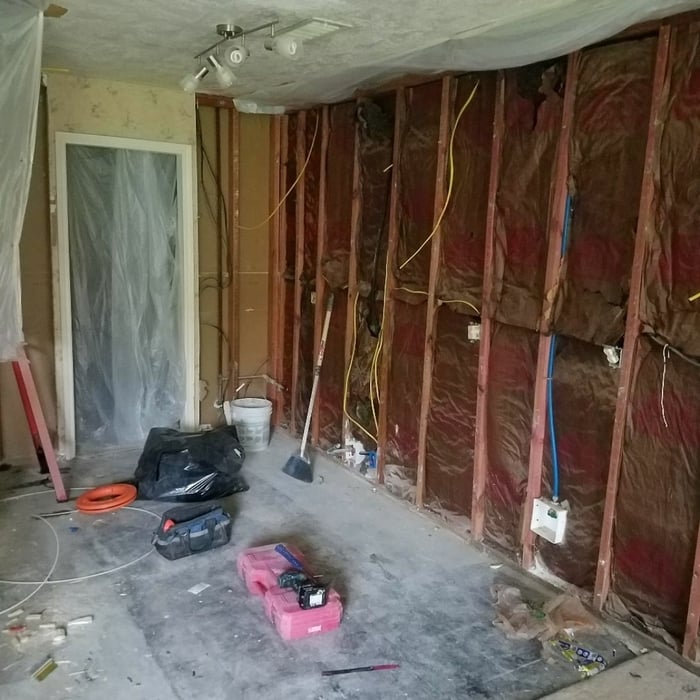
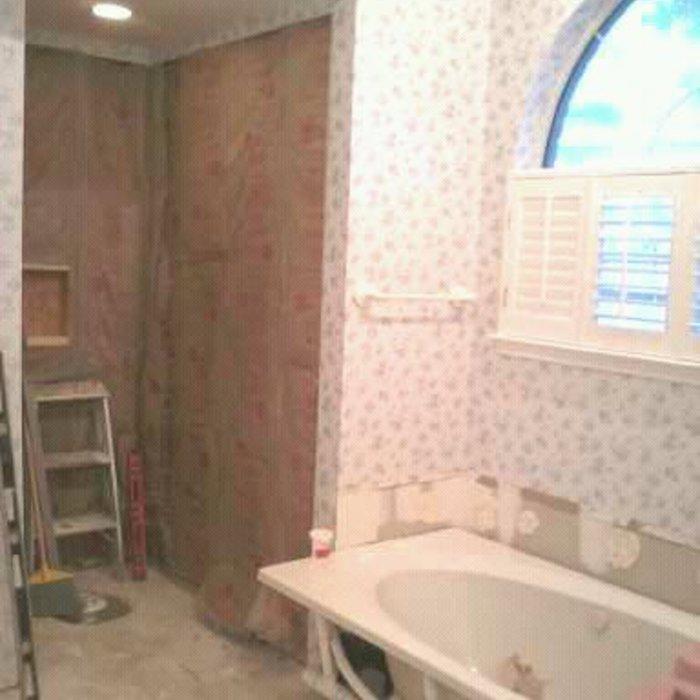
Gutting Restroom
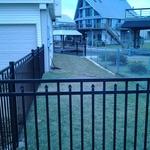
Concrete Retaining wall at Tiki Island
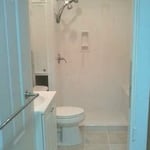
Finish Restroom
 Finish retaining wall with top soil and sod
 Redo Shower/tub

+48

Response time1 day
13 neighbors recently requested a quote
Recommended by72%of homeowners
...
Showing 1-10 of 389
Pool Table Assembly questions, answered by experts

You can build a plunge pool in an 8-by-8-foot space. Many plunge pools are about 8 to 12 feet wide, 2 to 24 feet long, and 4 to 8 feet deep. While these pools are smaller than your average swimming pool, you may want additional space for a deck or patio to surround the plunge pool.

It’s best to avoid having wrinkles in a new pool liner. Since pool liners are very thin, it’s easy to have slight wrinkles in the liner upon initial installation. This might negatively affect your pool’s visual appearance and lead to tearing and holes in some cases. You’ll want to ensure proper measurements and accurate alignment during the installation process to prevent unsightly wrinkles from appearing.
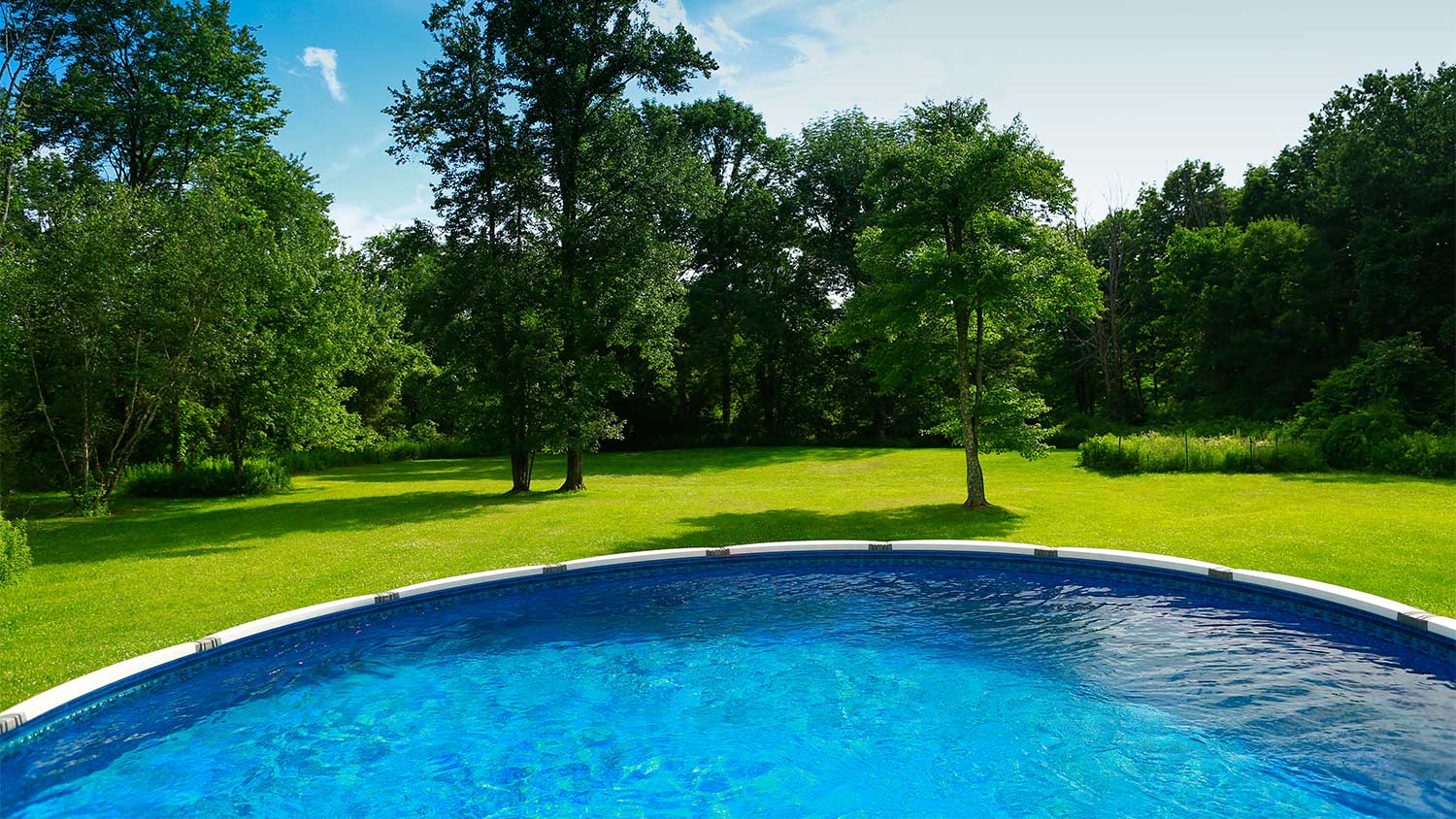
Just like a traditional in-ground pool, semi-inground pools can be between three and eight feet deep. Lap pools, for example, are often an average of 4 feet deep, while a traditional pool may have both a shallow and deep end. The depth of your semi-inground pool depends on the liner you purchase, as well as how much excavation you plan to do before the installation.

Yes, pool pumps use a significant amount of electricity, making them one of the biggest energy consumers in a home. A pool pump can use up to three times as much electricity as a refrigerator. Typically, a residential pool pump consumes about 1 kilowatt-hour (kWh) for every hour it runs. Because pumps often need to run for about eight hours a day to properly filter the water, this can add up to an annual consumption of 3,000 to 5,000 kWh, which can cost between $480 and $800 per year based on average electricity rates.
The amount of electricity your pump uses depends on its size, energy efficiency, and daily run time. To lower your energy consumption, you can choose an energy-efficient or variable-speed pump, ensure it is correctly sized for your pool, and run it only for the minimum time required to keep the water clean.

Small backyards are not a reason to write off fun upgrades like an above ground pool. You can find both soft and hard-sided above ground pools as small as 8 feet in diameter as well as 9-by-18-feet rectangles or 10-by-16-feet ovals. You will need at least 2 to 3 feet around the outside of your pool for additional support and for placing pool equipment, but a professional pool installer can help you find a model that's right for your tiny outdoor space.

The Texas City, TX homeowners’ guide to pool table assembly services

From average costs to expert advice, get all the answers you need to get your job done.