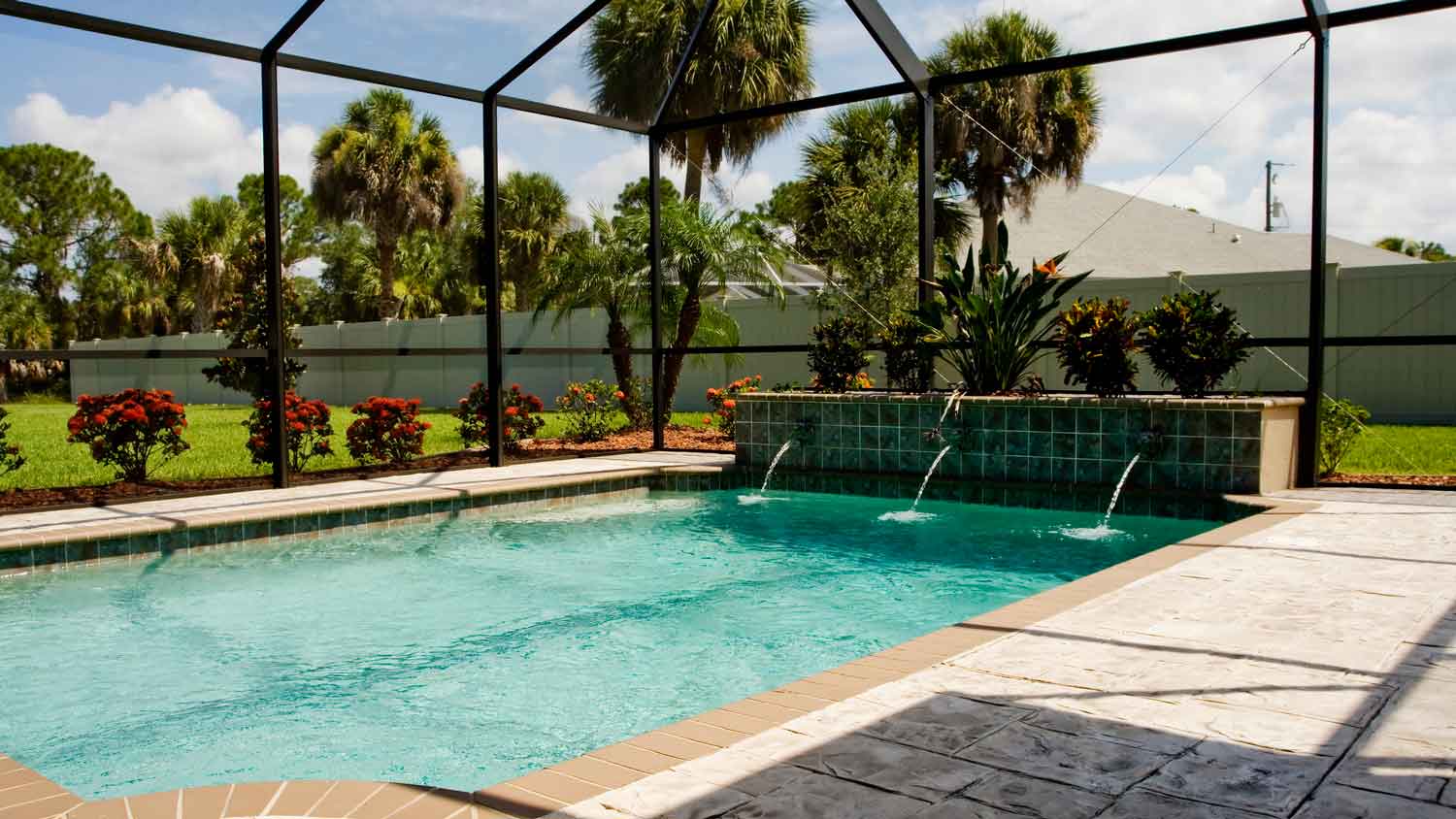







Top-rated pool table assembly pros.

Get matched with top pool table assembly pros in Santa Fe, TX

Enter your zip and get matched with up to 5 pros

Need a pro for your pool table assembly project in Santa Fe, TX?

Select your specific project to find the pro for you.

TRUSTED BY SANTA FE, TX HOMEOWNERS

  • Average homeowner rating star icon4.4
    Average homeowner rating
  • Verified reviews icon741
    Verified pool table assembly services reviews

Find Pool table assembly pros in Santa Fe

Avatar for Pernal Handyman Services LLC
Pernal Handyman Services LLC
5.0(
52
)
Handyman for Multiple Small Projects

Serving Santa Fe, TX and surrounding areas

Approved

Super Service Award Winner

In business since 2014

Free estimates

Credit card accepted

"Jeff and his coworker completed three projects. They showed up on time and were professional, prepared and polite. The work was well done, efficiently and in a timely manner and the cost was fair and reasonable."
Kitchen Lighting Install
Wall Decor Install
Fire Place Tile Install
Response time7 hrs
Response rate90%
33 neighbors recently requested a quote
...
Showing 1-10 of 312
Pool Table Assembly questions, answered by experts

There are three types of pool filters—cartridge, sand, and D.E. (diatomaceous earth). Cartridge and sand filters are the most popular types and are affordable and easy to maintain. D.E. filters are more expensive and require more maintenance, but they are also very good at filtering out small particles.
The best paver for your pool deck depends on your budget, style, and how much maintenance you’re willing to invest. Granite is one of the best low-cost pavers for pool decks. It’s very slip-resistant and durable, too, making it a top pick. Travertine is a high-quality material that resists freeze-thaw cycles, looks stunning, and won’t get hot in the summer. The only downside to travertine is that it costs more than granite.
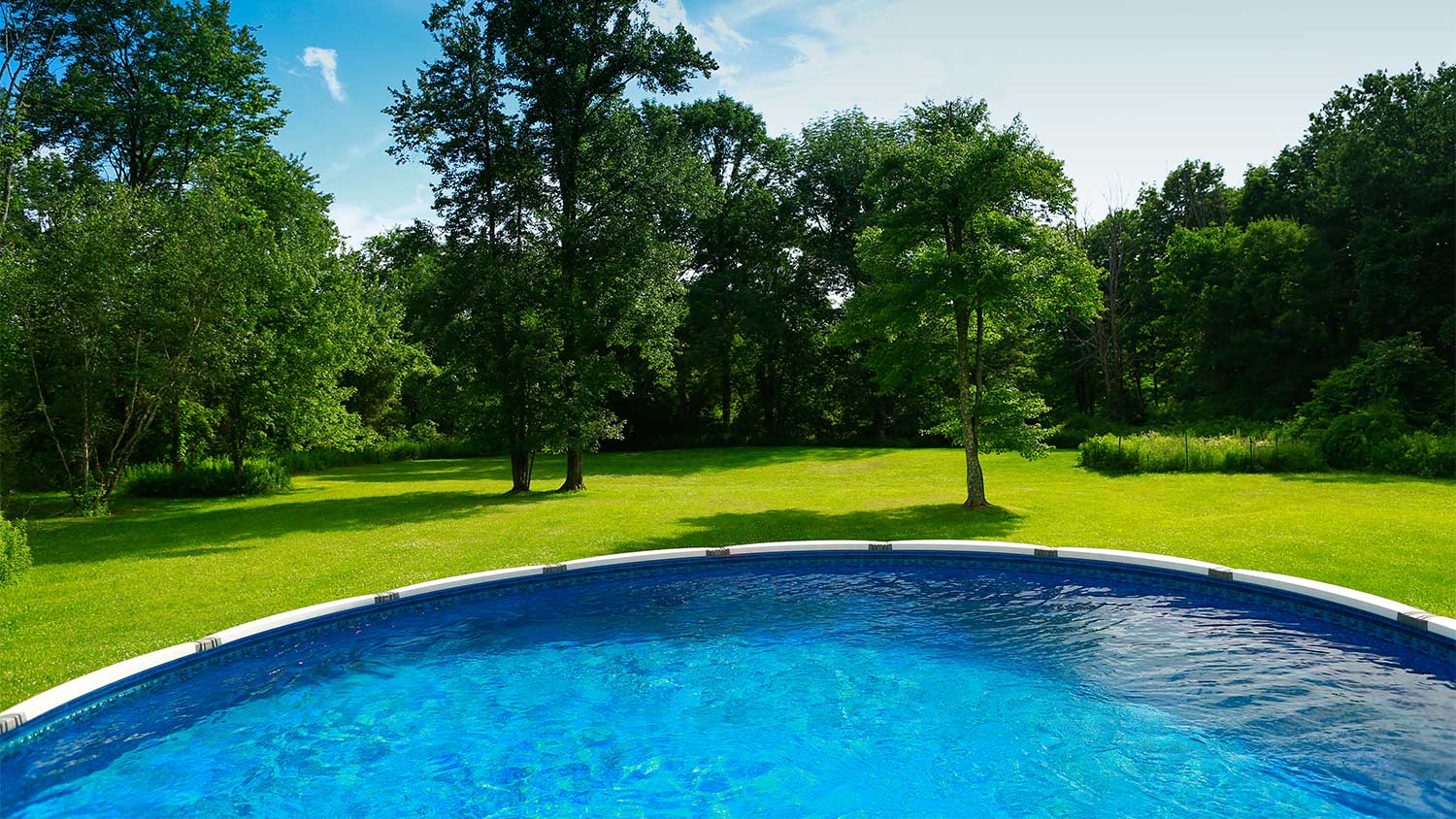
The life expectancy of a stock tank pool depends on the level of maintenance that you put into it, but it typically lasts for 10 years or more with regular maintenance and repairs. Regularly testing the water and adjusting the chemical levels, using a chlorine float instead of tablets that can end up on the floor of the pool, lining the pool, cleaning the stock tank, and managing any rust immediately will help extend the life of the pool.

Yes, pool pumps use a significant amount of electricity, making them one of the biggest energy consumers in a home. A pool pump can use up to three times as much electricity as a refrigerator. Typically, a residential pool pump consumes about 1 kilowatt-hour (kWh) for every hour it runs. Because pumps often need to run for about eight hours a day to properly filter the water, this can add up to an annual consumption of 3,000 to 5,000 kWh, which can cost between $480 and $800 per year based on average electricity rates.

The amount of electricity your pump uses depends on its size, energy efficiency, and daily run time. To lower your energy consumption, you can choose an energy-efficient or variable-speed pump, ensure it is correctly sized for your pool, and run it only for the minimum time required to keep the water clean.

If you wait until fall or winter, you might see sales on pools and pool materials, enabling you to save a good amount on this home improvement project. Sometimes pool servicing companies try to make space for next year’s inventory, or the materials are cheaper when fewer construction projects happen during colder months. 

The Santa Fe, TX homeowners’ guide to pool table assembly services

From average costs to expert advice, get all the answers you need to get your job done.