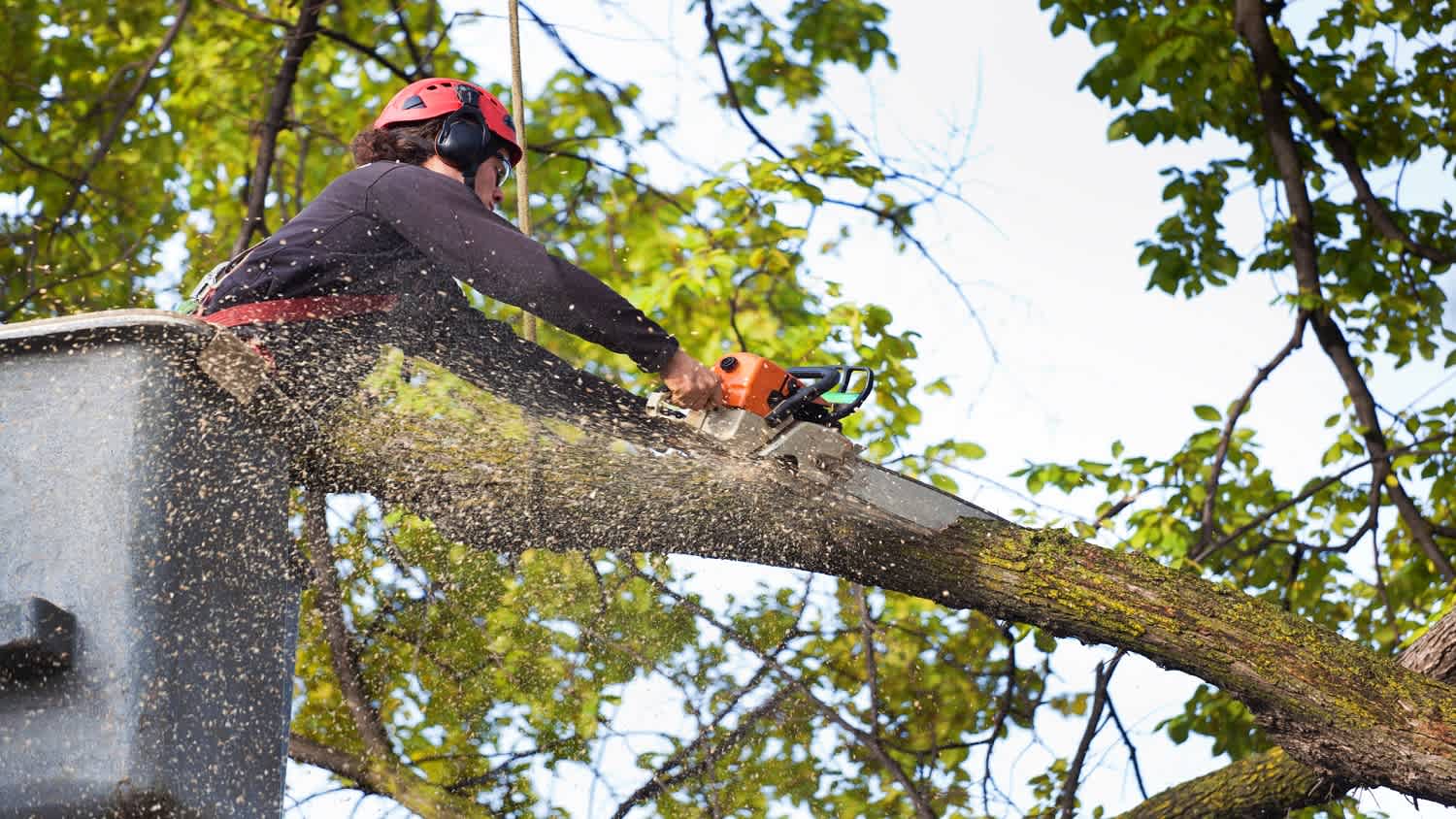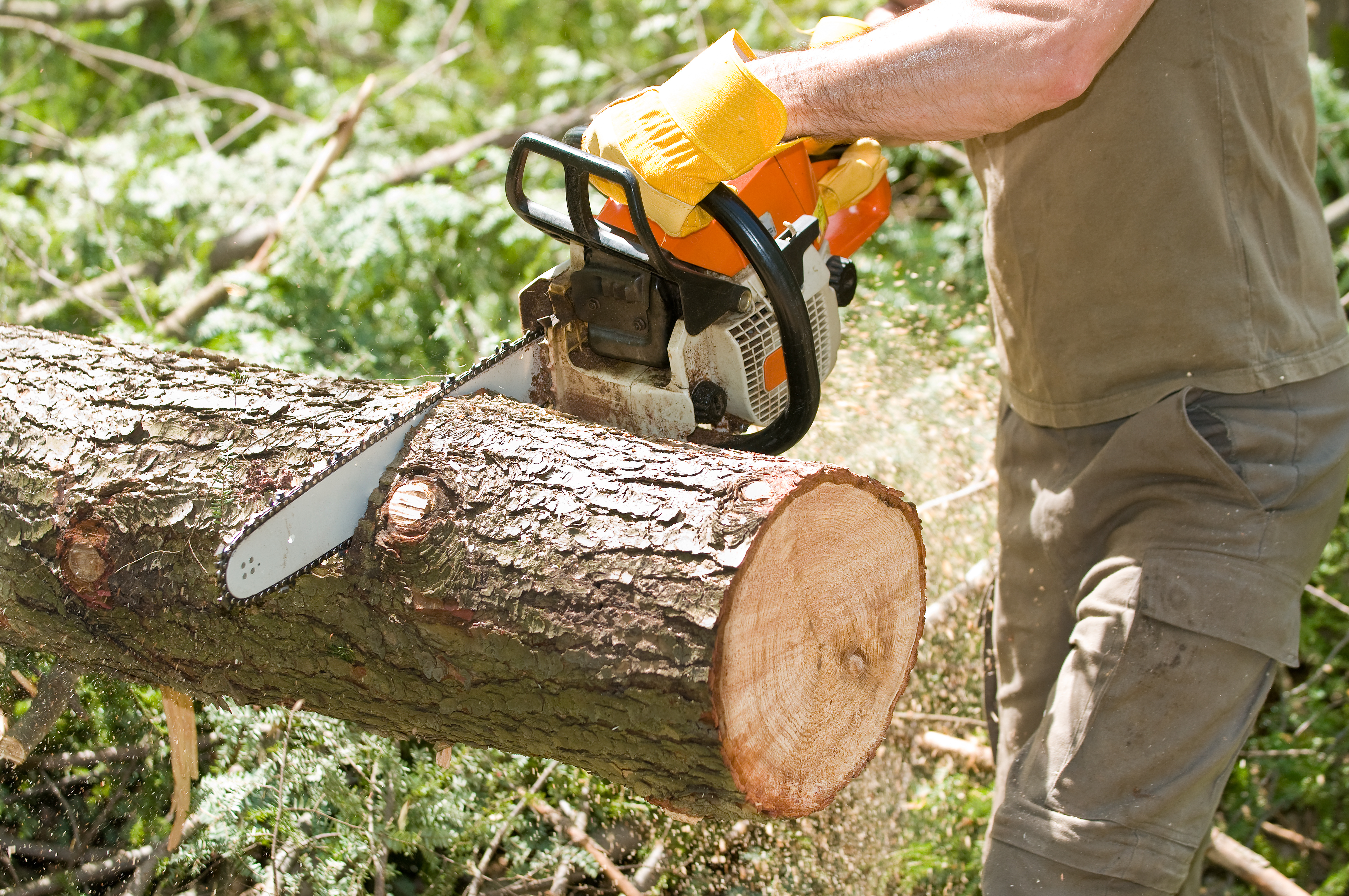



Top-rated tree service pros.

Best tree service pros near Stamford, TX

Enter your zip and get matched with up to 5 pros

Need a pro for your tree service project in Stamford, TX?

Select your specific project to find the pro for you.

Top-Rated Tree service pros in Stamford - Updated Nov 2026

Tree of Life Landscapes and Tree Service
5.0(
7
)
Tree RemovalTree Removal - For BusinessTree Stump - Remove+3 more

Serving Stamford, TX and surrounding areas

In business since 2020

Free estimates

Emergency services offered

"They came out and gave me a quote. They had to convince my husband that it was the right time to do the work. They came out and did the work for two very hot days. They worked very, very hard and did a GREAT job. The difference in the look of the lot is remarkable. The guys were extremely nice and polite. It was an overall very positive experience and I will be callling them yearly to maintain my trees."
Response time2 days
Recommended by100%of homeowners
Avatar for Landers Ranch Services
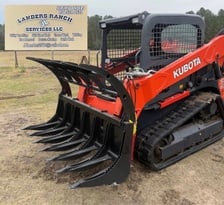
Landers Ranch Services
5.0(
7
)
Tree RemovalTree Removal - For BusinessTree Stump - Remove+5 more

Serving Stamford, TX and surrounding areas

At Landers Ranch Services, we are a reputable excavation company located in Grimes County, TX. Serving the surrounding areas, we pride ourselves on delivering top-notch services to meet all our clients' excavation needs. With our skilled team and state-of-the-art equipment, we ensure efficient and reliable results for every project.

Bulkhead
Bulkhead
Bulkhead
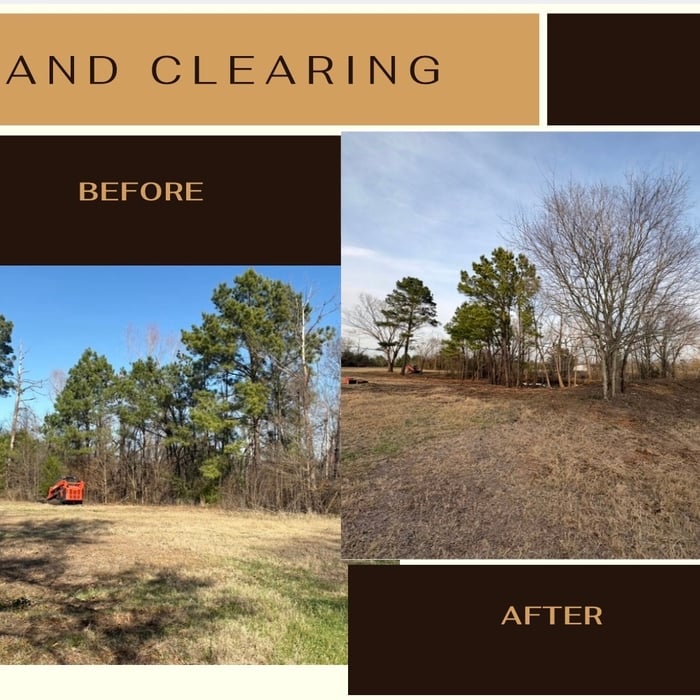
Land clearing
Land clearing

+10

Recommended by14%of homeowners
Showing 1-10 of 35
Tree Service FAQs, answered by experts

All of the tree root removal methods mentioned above are effective on any kind of root, whether it’s still growing or simply needs a gentle nudge to finish decomposing. The only difference is that larger roots tend to be harder to remove and may require multiple chemical treatments as well as manual labor to eradicate.

It is possible to cut down a tree on your property yourself, but it is generally not recommended unless specific conditions are met. You should only consider this project if the tree is small (e.g., under 4-5 inches in diameter and short enough that you don't need a ladder to reach the branches), and you are experienced in handling a chainsaw. The tree must also be located far from any power lines, fences, homes, or other structures. Even for small trees, the work can be dangerous, and it's always advisable to have a spotter to ensure the tree falls correctly and no branches fall on you.

For any tree that is large, requires a ladder to access, or is near electrical lines or structures, you should always hire a professional. Attempting to remove a large tree yourself is extremely dangerous, poses a risk of serious injury, and could result in significant damage to your property.

Before any tree removal, it's also important to check your local and state regulations to ensure the tree is not historic or otherwise protected by your city.

Generally, homeowners do not need permission to cut down a tree on their own private property, but there are several exceptions where a permit may be required. You might need a permit if the tree is particularly large, old, or a protected species, such as a heritage tree. Trees located near public property or power lines can also be subject to special rules. Additionally, many local governments and homeowners associations (HOAs) have regulations controlling which trees can be removed to manage an area's appearance or prevent the spread of invasive species. To avoid hefty fines, it is crucial to check with your local government and HOA to determine if a permit is needed before you begin.

For small trees, tree removal should take just a couple of hours to complete. Assume that a mid-sized tree will take between four and eight hours, depending on the extent of the equipment required and the health of the tree. Remember to add up to two hours for stump removal. Larger trees could take as long as one or two working days, about eight hours each.

Some fast-acting products can rot a tree stump in four to six weeks. Keep in mind, these products contain harsh chemicals that may prevent regrowth in the area. Other products, like fertilizer that contains lots of nitrogen, can enhance the process and rot a stump in about a year. (This is compared to the ten years it can take naturally for a stump to rot.)

The Stamford, TX homeowners’ guide to tree services

From average costs to expert advice, get all the answers you need to get your job done.