





Top-rated plaster repair specialists.

Get matched with top plaster repair specialists in Plainview, TX

Enter your zip and get matched with up to 5 pros

Need a pro for your plaster repair project in Plainview, TX?

Select your specific project to find the pro for you.

Find Plaster repair specialists in Plainview

Avatar for American Remodel And Repair
American Remodel And Repair
4.7(
26
)

Serving Plainview, TX and surrounding areas

In business since 2008

Free estimates

Credit card accepted

"Mr. Pena has been far more responsive that I've experienced with other contractors in Lubbock. His person installed the deck boards and there were a few that were less than ideal. I pointed them out and he agreed and fixed them within 24 hours. He is very responsive, always has ideas to improve the project and as a result it feels more like a partnership that a contractor relationship.As a result of his quality we've moved from a small job to over $15K of work."
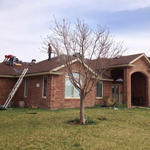
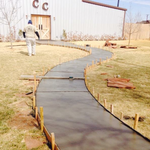
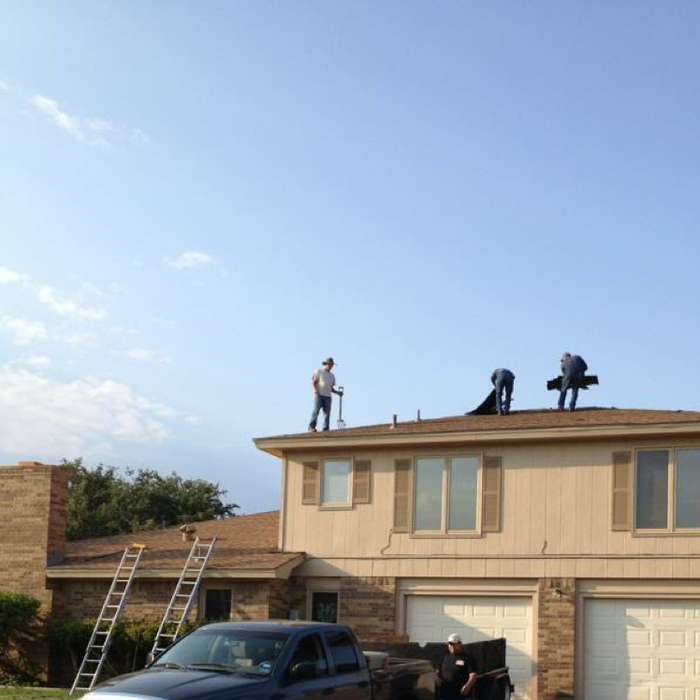
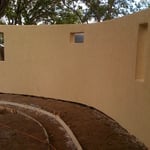
Before
before2
before3
After
After2

+16

Recommended by96%of homeowners
Kovach Remodeling Welding and Repair
New to Angi

Serving Plainview, TX and surrounding areas

In business since 2019

Free estimates

Kovach Remodeling Welding and Repair is a leader in providing our customers with the highest quality service in an honest, efficient, and professional way. Our pledge is to create successful relationships with our customers and community by building trust, treating every project with the utmost integrity and exceeding expectations. We look forward to working with you!

Showing 1-10 of 16
Plaster Repair questions, answered by experts

This depends on how much plaster is applied and in how many layers, but a decent estimate is around 150 square feet. If you are applying only two coats on a small wall, there is a chance you may only need one or two gallons for the entire project. If you are plastering a large living room wall with high ceilings, using one of the more involved techniques–like Scagliola–that requires several coats, expect the project materials costs to add up quickly. 

Although they have similar applications, spackle and joint compound are not the same. Their primary differences lie in their composition, consistency, and ideal use cases.

Spackle is composed of gypsum and binding agents, making it thicker than joint compound. It dries quickly and is easy to sand, which makes it ideal for small wall repair projects like filling nail holes or patching minor damage.

Joint compound, also known as drywall mud, consists of limestone and gypsum. It is primarily used for large-scale projects, such as taping and finishing the seams on newly installed drywall. It tends to shrink more than spackle and can be more difficult to spread.

While both products can be used to fill small depressions and cracks, spackle cannot replace joint compound for taping and mudding new drywall. Conversely, you can often use joint compound for small patching jobs typically done with spackle.

You can put certain types of plaster over other types, but doing so isn't always the best idea. For example, putting a coat of gypsum over lime plaster is possible, but doing so will limit the lime plaster's breathability and potentially affect its performance.

Since cement plaster tends to leave a textured surface, no matter how much you smooth it, some people prefer to use gypsum plaster as a topcoat over cement plaster, creating a smoother surface.

Your walls are likely cracking due to fluctuations in the temperature outside. Drywall tends to expand and contract when temperatures and humidity levels change, and this repeated movement can lead to cracks in your walls, particularly around door frames. If you have multiple diagonal cracks, you may want to have your foundation inspected, as cracks can also be a sign of a bigger issue.

Repairs typically take 2-4 hours for small areas. Larger or more complex repairs may require additional time.

The Plainview, TX homeowners’ guide to plaster repairs

From average costs to expert advice, get all the answers you need to get your job done.