
Top-rated tree service pros.

Get matched with top tree service pros in Clarendon, TX

Enter your zip and get matched with up to 5 pros

Need a pro for your tree service project in Clarendon, TX?

Select your specific project to find the pro for you.

TRUSTED BY CLARENDON, TX HOMEOWNERS

  • Average homeowner rating star icon4.1
    Average homeowner rating
  • Verified reviews icon10
    Verified tree services reviews

Find Tree service pros in Clarendon

Avatar for Landers Ranch Services
Landers Ranch Services
5.0(
7
)
Tree RemovalTree Removal - For BusinessTree Stump - Remove+5 more

Serving Clarendon, TX and surrounding areas

Approved

Customers say: Quick response

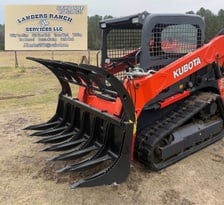
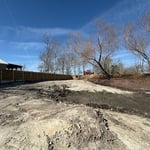
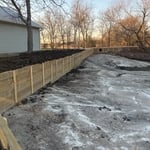
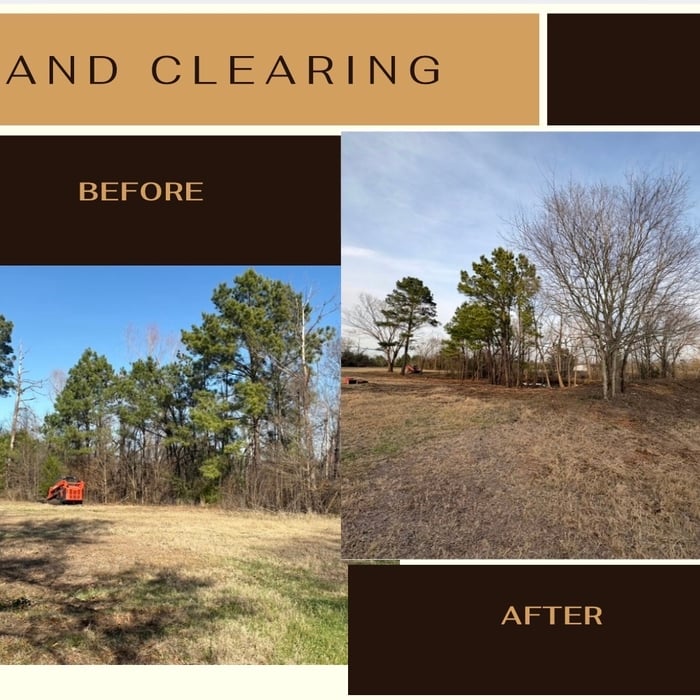
At Landers Ranch Services, we are a reputable excavation company located in Grimes County, TX. Serving the surrounding areas, we pride ourselves on delivering top-notch services to meet all our clients' excavation needs. With our skilled team and state-of-the-art equipment, we ensure efficient and reliable results for every project.

Bulkhead
Bulkhead
Bulkhead
Land clearing
Land clearing

+10

Recommended by14%of homeowners
Showing 1-10 of 36
Tree Service questions, answered by experts

If a disease has attacked and destroyed the roots, then the tree may fall over as soon as it has died or while part of it is still alive. Trees that die with their roots left in place tend to stay standing for much longer, but those roots will decay eventually, allowing gravity to do the rest.

A dead tree should always be cut down, because it could fall and cause injuries or damage, and it can also attract insects like carpenter ants. A tree that’s diseased beyond repair should also be cut down, but it’s not always easy for a homeowner to tell. Signs of disease include dying branches, a hollow trunk, leaning, and discolored or missing leaves, but your best bet is to hire a local arborist who can evaluate the tree and tell you if it can be saved or should be cut down.

It takes anywhere from three to seven years for a stump to decompose on its own. This timeframe can depend on the kind of tree and your climate. The lower to the ground the stump is, the faster it rots. If you kill a tree stump with salt, boiling water, herbicide, light deprivation, or burning, the tree stump decomposes faster. 

Generally, homeowners do not need permission to cut down a tree on their own private property, but there are several exceptions where a permit may be required. You might need a permit if the tree is particularly large, old, or a protected species, such as a heritage tree. Trees located near public property or power lines can also be subject to special rules. Additionally, many local governments and homeowners associations (HOAs) have regulations controlling which trees can be removed to manage an area's appearance or prevent the spread of invasive species. To avoid hefty fines, it is crucial to check with your local government and HOA to determine if a permit is needed before you begin.

It's easy to misidentify trees that appear to be maple trees due to similarities in leaf shapes. Sweetgum, sycamore, and yellow poplar all have leaf shapes and appearances similar to maples. The fact that around a dozen maple tree varieties exist, only about half of which are considered common, makes misidentification an often typical occurrence.  

The Clarendon, TX homeowners’ guide to tree services

From average costs to expert advice, get all the answers you need to get your job done.