




Top-rated arborists.

Get matched with top arborists in Clarendon, TX

Enter your zip and get matched with up to 5 pros

Need a pro for your arboricultural service project in Clarendon, TX?

Select your specific project to find the pro for you.

TRUSTED BY CLARENDON, TX HOMEOWNERS

  • Average homeowner rating star icon4.2
    Average homeowner rating
  • Verified reviews icon11
    Verified arboricultural services reviews

Find Arborists in Clarendon

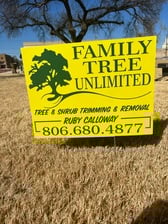
Avatar for Family Tree
Family Tree
5.0(
8
)

Serving Clarendon, TX and surrounding areas

In business since 2019

Free estimates

Emergency services offered

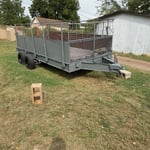
"Absolutely amazing job, hard working employee that helped us! Down to earth and really cared about what our needs were. Worked to exceed above and beyond our expectations and would refer to everyone needing these services."
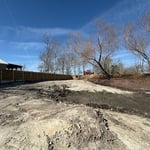
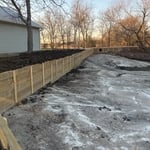
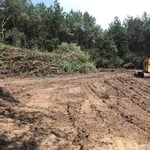
Additional Photos
Recommended by100%of homeowners
Avatar for WN Tree Service
WN Tree Service
4.8(
6
)

Serving Clarendon, TX and surrounding areas

In business since 2024

Free estimates

Emergency services offered

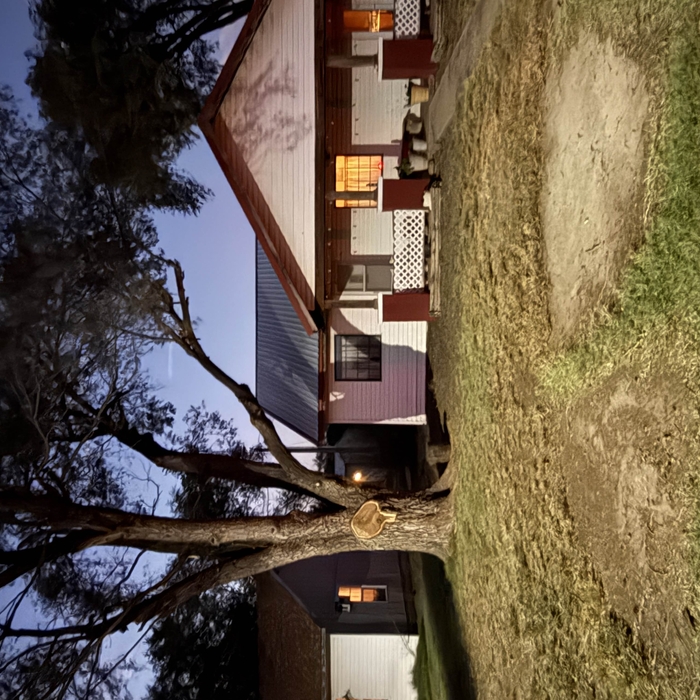
"Was needing to get some trees removed and he offered to split the wood for me to use for my fireplace this winter. He will go above and beyond for his customers. I highly recommend to hire this pro."
Removed top
Fresh painted
Before painting
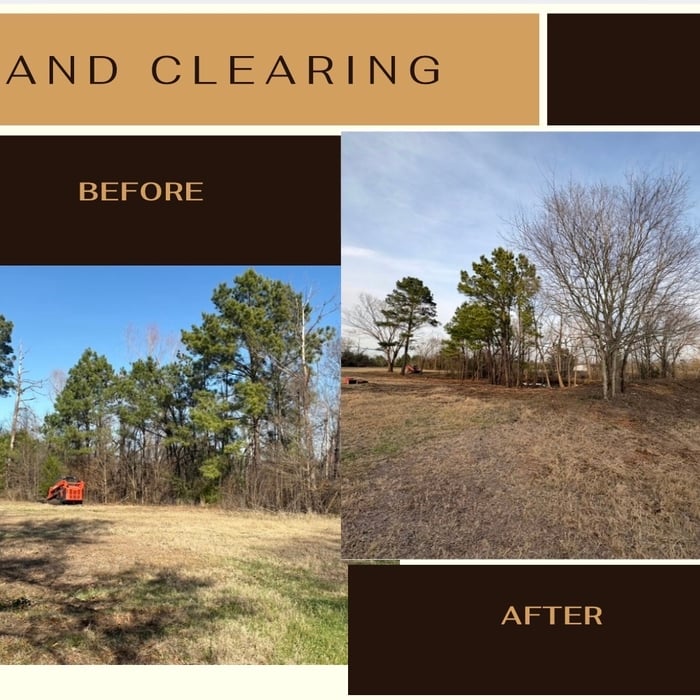
Before
After

+1

Response time4 hrs
Response rate100%
Showing 1-10 of 36
Arborists questions, answered by experts

Tree roots are hearty and complex systems, so they don’t die immediately after the rest of the tree is removed. If you leave the root system in place, it takes anywhere from two to seven years for it to run out of nutrients. It is worth noting, however, that the roots stop growing and expanding after cutting down the rest of the tree.

Yes, you can prune a palm tree with a chainsaw, but a chainsaw is overkill for a job like this. You risk damaging the tree if you make a bad cut. More commonly, you’ll need pruning shears or a serrated knife to trim a palm tree, or you can use a specialized pruning saw instead of a chainsaw.

In most cases, you should not use a pruning seal on trees after trimming. Applying a sealant can interfere with the tree's natural healing process, and it does not guarantee protection from pathogens. Instead of sealing the cut, the best practice is to support the tree's natural recovery by providing it with plenty of water and a dormant-style fertilizer. However, there are exceptions. Pruning seals may be recommended for very vulnerable species, like elm trees, in areas where dangerous diseases such as Dutch elm disease are prevalent. In these specific situations, the protection offered by a sealant can outweigh its downsides. For advice tailored to your situation, especially after cutting large branches, it is best to consult a local tree trimming professional.

You can find pruning paints and sealants for trees, but you shouldn’t use them on a topped tree. Coatings like these often inhibit the tree’s healing process. An important exception is if there are dangerous fungi nearby that the tree is particularly vulnerable to, like oaks and oak wilt. Sealing cuts can help prevent fungi from taking root.

Trees should be pruned every two to five years, depending on its age and type. Young trees should be inspected and pruned every two to three years. Mature trees should be inspected and trimmed every three to five years, and fruit trees should be pruned annually with a careful eye on seasonal growth. Evergreens typically don’t need pruning, unless branches or limbs are damaged, diseased, or harboring pests.

The Clarendon, TX homeowners’ guide to arboricultural services

From average costs to expert advice, get all the answers you need to get your job done.