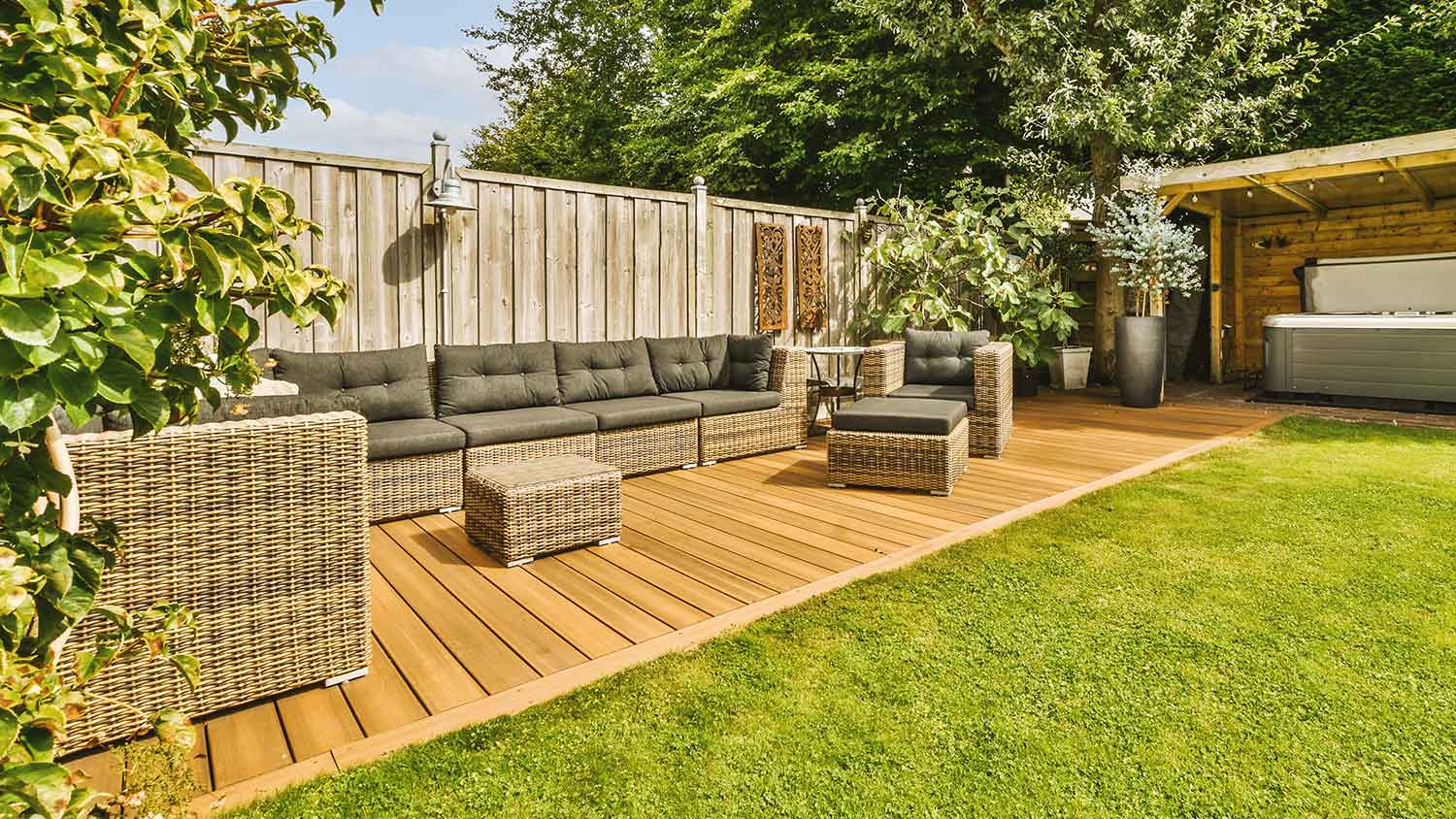









Top-rated deck staining pros.

Get matched with top deck staining pros in Castroville, TX

Enter your zip and get matched with up to 5 pros

Need a pro for your deck staining project in Castroville, TX?

Select your specific project to find the pro for you.

TRUSTED BY CASTROVILLE, TX HOMEOWNERS

  • Average homeowner rating star icon4.6
    Average homeowner rating
  • Verified reviews icon253
    Verified deck staining services reviews

Find Deck staining pros in Castroville

Avatar for Paramo Painting
Paramo Painting
4.8(
48
)
Exterior Home or Structure - Paint or StainExterior Home or Structure - Paint or Stain: Large

Serving Castroville, TX and surrounding areas

Approved

In business since 2000

Free estimates

Credit card accepted

"Cui and his crew were very friendly and respectable. They painted our home exterior and stained an arbor. He was the best price we found for both projects. Both projects were completed in 4 days. When I got off work after they had already gone for the day any questions I had during the project I took pictures and texted Cui. He was very responsive and helpful. My wife and I are very satisfied with their work and would recommend them. Good work at a Good price."
Extra White satin
Extra White satin
Extra White satin
Extra White satin
Extra White satin

+2

Response time2 days
Recommended by97%of homeowners

...
Showing 1-10 of 389
Deck Staining questions, answered by experts

By applying protective finishes and using durable materials that withstand weather and time.

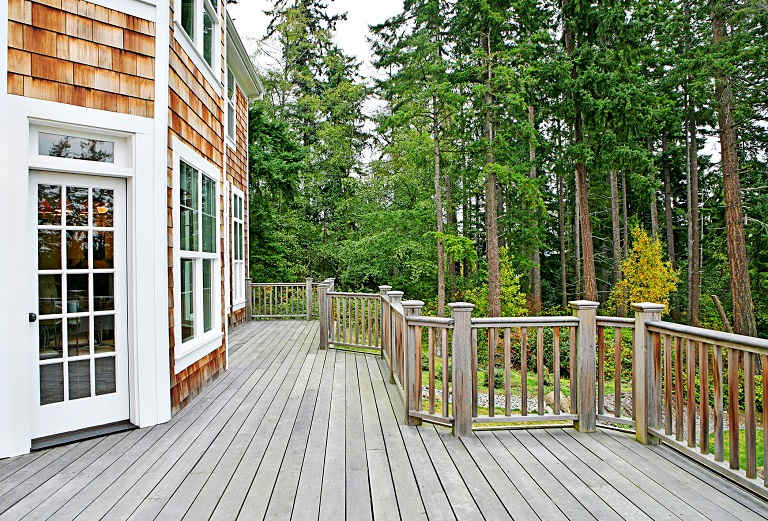
Staining or sealing a cedar deck or fence is highly recommended to extend its lifespan and protect it from the elements. While cedar is naturally resistant to mold and mildew, it is not impervious to damage from moisture, sun exposure, splintering, fading, and rot over time. Applying a protective finish creates a shield that preserves the wood's strength and appearance, potentially extending its life by five to 10 years.

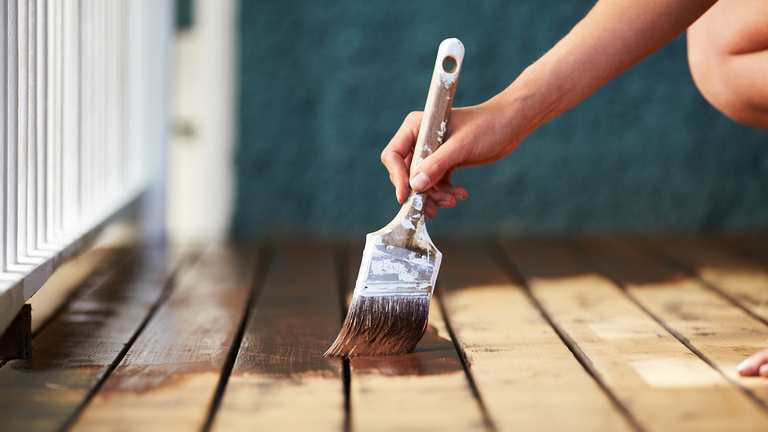
When choosing a finish, it's helpful to understand the difference between a sealer and a stain. A sealer sits on top of the wood, whereas a combination stain and sealer soaks into the top layer. Because it penetrates the wood, a stain generally offers better protection against UV damage and rot and lasts significantly longer. For the best results that also preserve the wood's natural color, consider using a near-translucent stain.

To maintain protection, plan on reapplying the stain or sealer every two to three years, either as a DIY project or by hiring a professional.

You may be wondering: can you paint cement? Fortunately, the answer is yes.

To change the color of your cinder blocks, you have two options. You can either paint them or stain them. Either way, you'll be able to choose from a wide range of color options. Some popular colors for cinder block painting include off-white shades and gray tones, which add a modern spin to the traditional gray blocks.
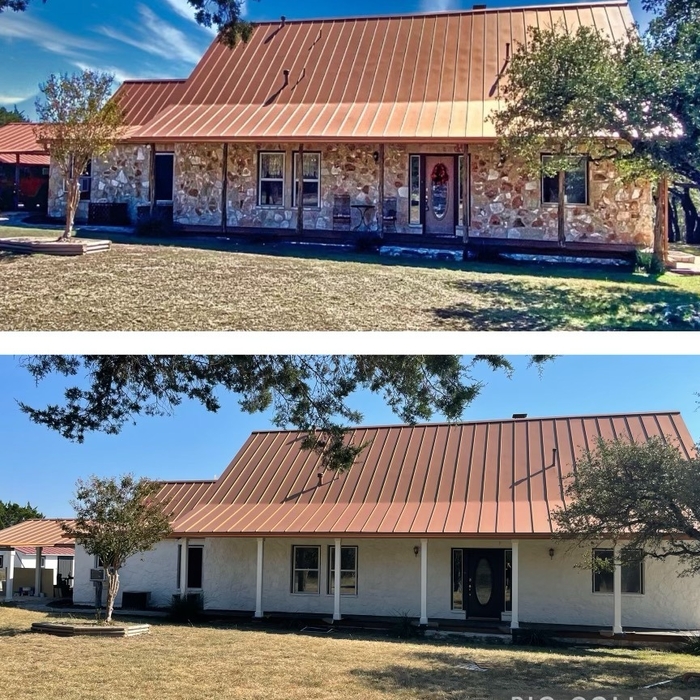
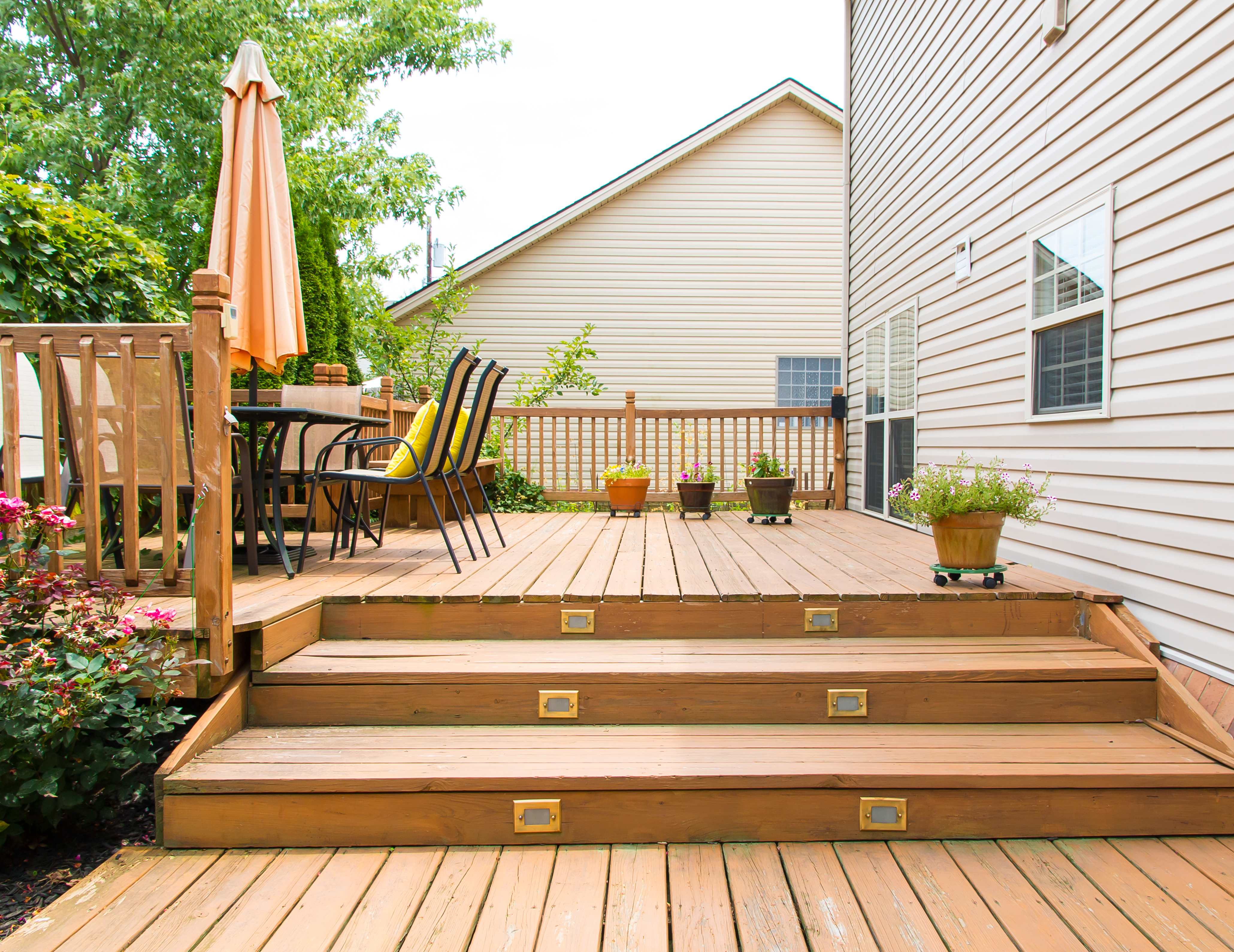
To make sure the paint won’t bubble as you apply it, make sure to paint on a day that’s cooler than 85 degrees Fahrenheit. When the temperature is too high, the paint won’t dry evenly, which can result in bubbles forming on the surface. Another way to prevent paint from bubbling is to clean the walls, apply primer, and let everything dry completely before you begin.

Yes, you can waterproof any wood that has not already been treated. A good way to test this is to splash some water on it. If the water starts to bead up, the wood is treated and most likely doesn’t need another coating.

The Castroville, TX homeowners’ guide to deck staining services

From average costs to expert advice, get all the answers you need to get your job done.