






Top-rated excavation pros.

Get matched with top excavation pros in Beeville, TX

Enter your zip and get matched with up to 5 pros

Need a pro for your excavation project in Beeville, TX?

Select your specific project to find the pro for you.

Find Excavation pros in Beeville

Avatar for Giddens and Associates Demolition LLC
Giddens and Associates Demolition LLC
5.0(
12
)

Serving Beeville, TX and surrounding areas

In business since 2017

Free estimates

Credit card accepted

"I turned to Angie’s List to find someone to do some excavation work & leveling for an above ground swimming pool. We purchased our pool in April and reached out to at least a dozen or more companies and they were all either no shows or no response (even after providing us with a quote). It has been beyond frustrating because it was now July and no pool!! So I called Daylon with Giddens & Assoc and immediately got a response back. He came out that same day to look at our property and go over the project. He spent well over an hour discussing our plans & ideas for the project and provided us with a quote by that same evening. We we’re very impressed with him and his enthusiasm for his work so we scheduled a date and a week later he and his crew showed up and knocked it out. He’s personable, punctual, responsive, knowledgeable, and dependable. He does exactly what he says he’s going to do, period! We are very pleased with Giddens & Assoc and would definitely recommend them in the future!!!"
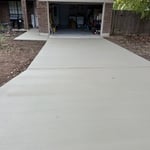
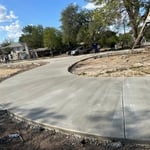
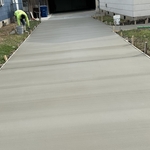
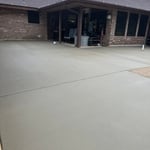
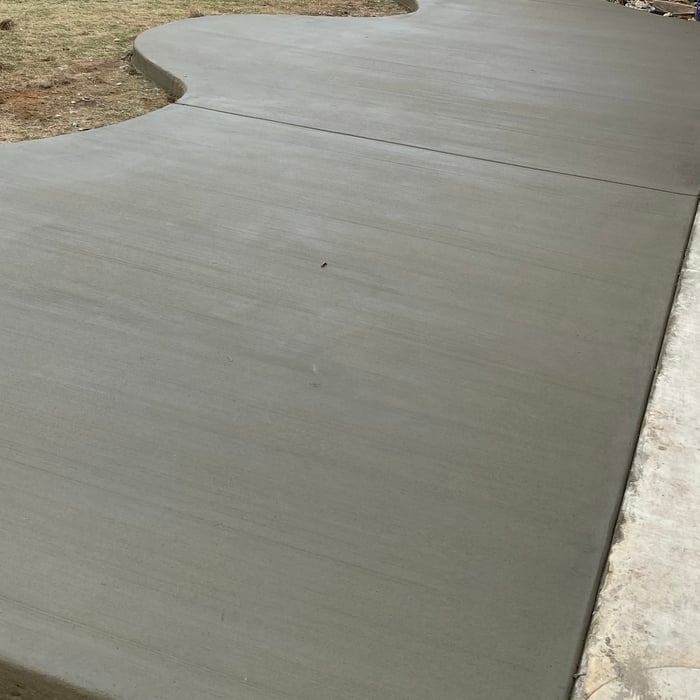
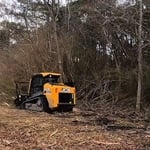
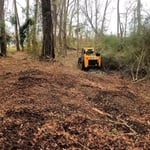
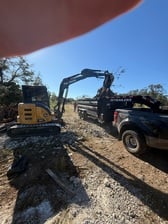
Additional Photos
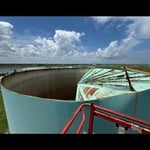
Additional Photos
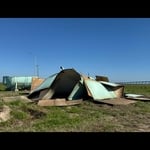
Additional Photos
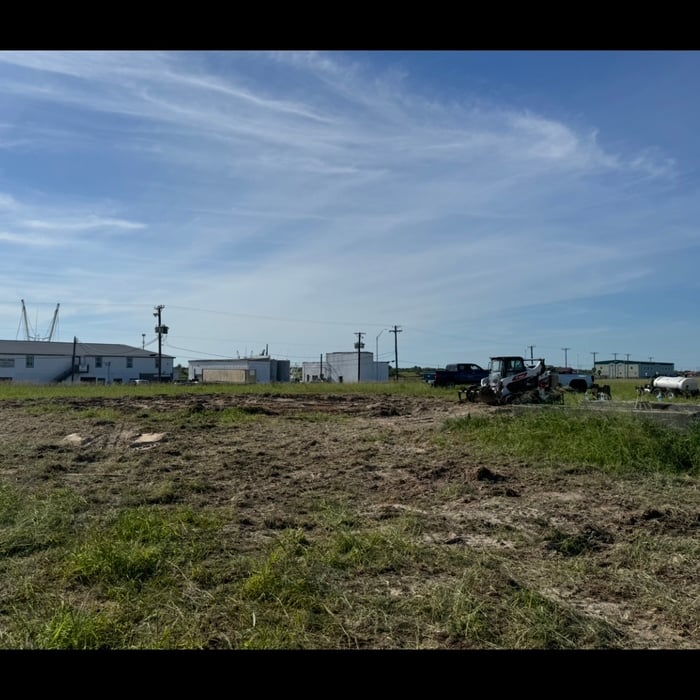
Additional Photos
Additional Photos

+25

Recommended by100%of homeowners
Avatar for Legend Plumbing & Septic Co.
Legend Plumbing & Septic Co.
4.7(
178
)

Serving Beeville, TX and surrounding areas

In business since 1982

Free estimates

Emergency services offered

"The plumbers used by this company have always been professional and reliable. I recently had several issues/upgrades and they sent Mario. Mario needed to order unique parts for my project. He fix everything. His work was done in a timely, efficient, and reasonably-priced manner. Their trustworthy service is appreciated."
Recommended by92%of homeowners
...
Showing 1-10 of 54
Excavating questions, answered by experts

To locate an underground downspout, you should start by identifying where the above ground gutter drains. Look for an entry point, such as a pipe or elbow leading into the ground. Follow the surface path for signs like depressions, landscaping disruptions, or wet areas after rain. You can use a metal detector or plumber’s snake to trace the pipe underground. For deeper pipes, a professional locator tool or camera inspection may be necessary. Visual markers or utility maps can also guide the search.

Digging a bush up by the roots is the most natural DIY method for removing a bush stump. Start by identifying the shrub type and revealing its roots. Cut the shrub to its base and loosen the soil, ensuring no utility lines are nearby. Optionally, treat the base with herbicide, then dig around the roots and cut a circle around the shrub using various tools. Dig a trench, cut the base of the root ball, and finally fill the hole to prevent regrowth. This thorough process ensures complete removal without damaging surrounding areas.

Prior to excavation, you should prepare the dig site and call 311 before you sign anything.

To get your site ready for excavation, you should move anything in the area that isn’t affixed to the land. You can save money on the excavation by removing hardscaping, including walkways, decks, concrete patios, and paver patios.

Before you carry out any digging, you should call 311 to confirm that there are no utility lines running through your excavation site. Skipping this step could lead to severe injury and property damage if your excavator hits a water, sewage, or gas line.

Most residential basements are 8 to 10 feet deep. You can dig deeper depending on building codes, but it does become more difficult. You’ll likely need to install stronger foundation walls and additional supports to handle the increased load. Depending on the water table, you may also need a water management system. Clay soil can support a deeper foundation than sandy soil. A structural engineer will be able to tell you the maximum, feasible depth.

You can bury underground electrical wire six inches deep—but only if you use a rigid metal electrical conduit. For rigid, non-metallic conduits, bury the wire at least 12 inches deep. If using an underground feeder cable rated for direct burial, you'll need to place it at least 18 inches deep, as it has no conduit for extra protection.

The Beeville, TX homeowners’ guide to excavation services

From average costs to expert advice, get all the answers you need to get your job done.

What do you need done? We’ll find top pros.
  • 🌱 "Mow a small front yard"
  • 🛠 "Fix a leaking pipe under the sink"
  • 🏠 "Repair shingles on an asphalt roof"