








Get matched with top excavation pros in Taft, TX
Top-rated excavation pros.

Need a pro for your excavation project in Taft, TX?

Select your specific project to find the pro for you.

Find Excavation pros in Taft

Avatar for Borco Site Services & Demolition
Borco Site Services & Demolition
4.2(
5
)

Serving Taft, TX and surrounding areas

Approved

Super Service Award Winner

In business since 2020

Free estimates

Emergency services offered

"I needed my yard cleared from 2 years of neglect. They did such a good job at a very reasonable price that I hired them again to fix my whole fence! They did a great job with that as well! Thanks guys!"
Response time2 days
Response rate85%
4 neighbors recently requested a quote

Prime Time Concrete
New to Angi

Serving Taft, TX and surrounding areas

Approved

In business since 1995

Free estimates

Credit card accepted

Prime Time Concrete is committed to excellence in every aspect of our business. We uphold a standard of integrity bound by fairness, honesty, and personal responsibility. Our distinction is the quality of service we bring to our customers. Accurate knowledge of our trade combined with ability is what makes us true professionals. Above all, we are watchful of our customers' interests, and make their concerns the basis of our business.

Avatar for Skid Pro Services
Skid Pro Services
5.0(
15
)

Serving Taft, TX and surrounding areas

In business since 2024

Free estimates

Offers commercial services

"Mark was timely & effective in clearing the property to enable his installing the new fence. Mark was easy to talk with. He kept us updated with photos/videos. His word was his honor."
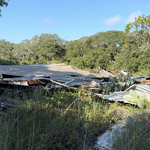
Metal Building Demo
After demo pictures
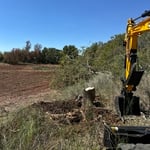
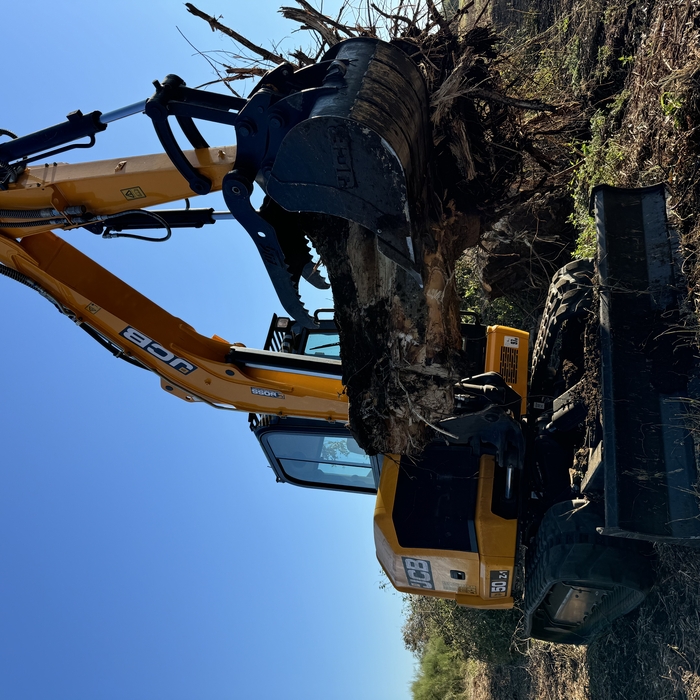
Tree stump removal
Tree stump removal
Tree stump removal

+7

Response time1 day
Response rate90%
Recommended by77%of homeowners
...
Showing 1-10 of 86
Excavating questions, answered by experts

Digging out a basement takes anywhere from a few days to a few months. Most projects take at least two to five weeks, but it could take several months if you encounter obstacles. This project takes longer if you need to brace or raise your home before the excavation. Digging out a basement in new construction can take as little as three days.

The physical constraints of hand-drilling a well limit the depth you can achieve. Manually digging with picks and shovels may only lead to shallow wells of up to 60 feet in depth. To reach greater depths, you need more specialized equipment. The diameter of your well and the tools you’re using will determine how far down you can dig.

There are several methods to hollow out a tree stump, and the best one depends on your tools, experience, and priorities. Common methods include using a chisel and hammer, a chainsaw, or burning.

  • Chisel and Hammer: This is often considered the easiest approach for those with limited tools or experience, though it is the most time-consuming.

  • Chainsaw: Using a chainsaw is the fastest method, but it comes with significant safety risks, especially for inexperienced users.

  • Burning: This can be an effective method, but it is not recommended unless you can first drill holes into the stump. Without holes, the stump will be difficult to light and may not burn completely through.

A power drill with at least a ⅜-inch diameter bit can make the job quicker and easier, regardless of the primary method. While you can use a chisel or chainsaw without a drill, it will require more time and effort. Always wear protective goggles and thick gloves, as splinters are an inevitable risk.

Septic drain lines (or leach lines) are typically buried between 18 and 36 inches underground, and should be at least 6 inches below the surface. These pipes are perforated and surrounded by filtering materials like sand or gravel. Burying the lines at this depth helps minimize odors and allows bacteria and other biological processes in the soil to effectively treat the wastewater. Burying lines too close to the surface can cause issues unless the soil is very compact and stable.

How deep your septic system needs to be into the ground depends on several factors. In extremely cold environments, the tank needs to rest below the maximum frost line, which can be up to six or eight feet deep. The standard burying depth for most systems is between a few inches and four feet below ground level. Depth can also depend on the slope of the landscaping and other property variables. 

The Taft, TX homeowners’ guide to excavation services

From average costs to expert advice, get all the answers you need to get your job done.