


Top-rated excavation pros.

Get matched with top excavation pros in Refugio, TX

Enter your zip and get matched with up to 5 pros

Need a pro for your excavation project in Refugio, TX?

Select your specific project to find the pro for you.

Find Excavation pros in Refugio

Avatar for Black dog land services
Black dog land services
New to Angi
Building Site - Preparation and ClearingExcavation - Major Grading or Resloping

Serving Refugio, TX and surrounding areas

Approved

Free estimates

Warranties offered

Small jobs welcome

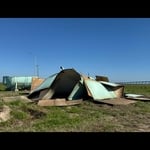
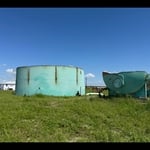
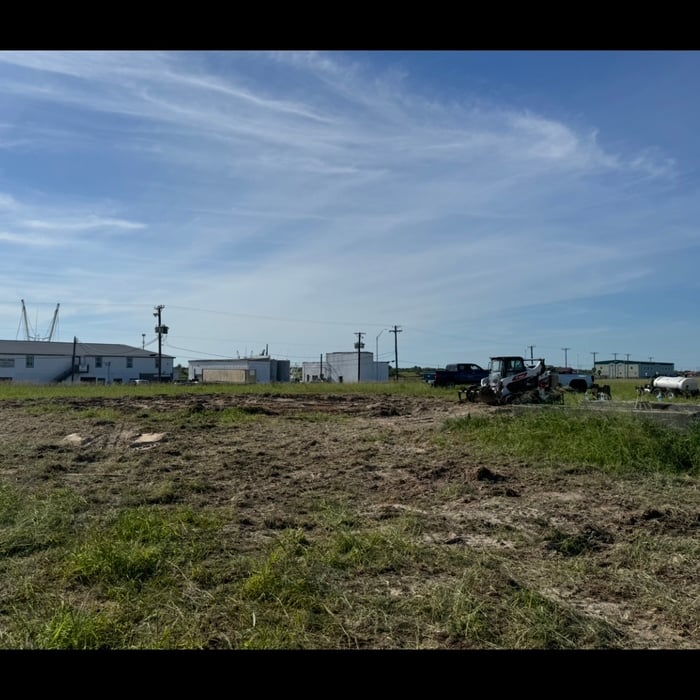
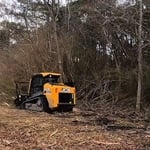
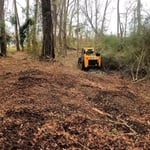
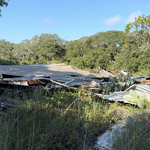
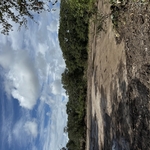
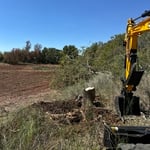
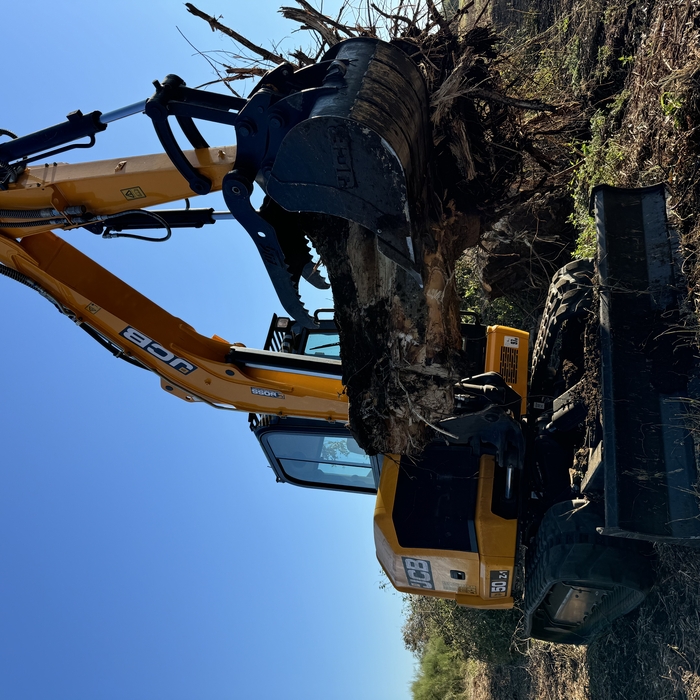
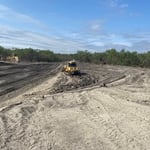
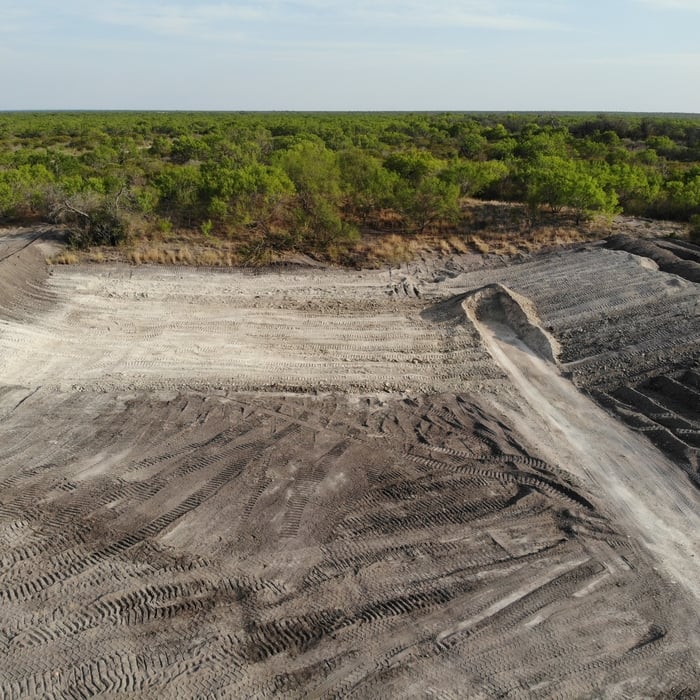
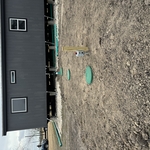
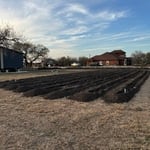
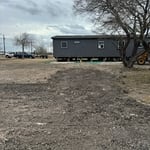
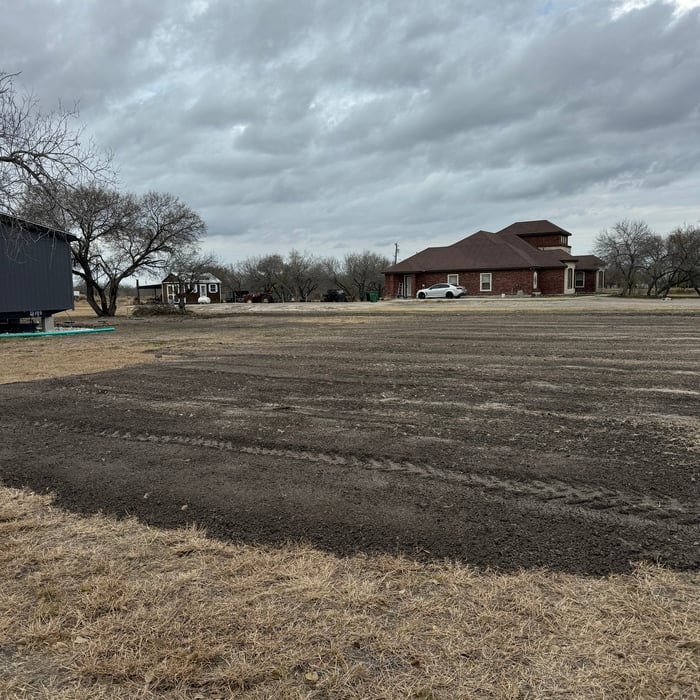
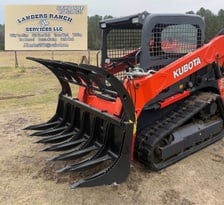
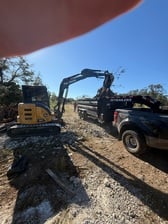
Born and Raised in New Braunfels, Tx. \nFormer student athlete at Texas Tech University - now looking to expand my land clearing business. From mulching, fence line clearing, rock grinding and site prep - I’m ready to help you out with your next project.

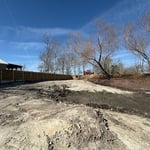
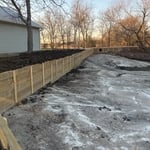
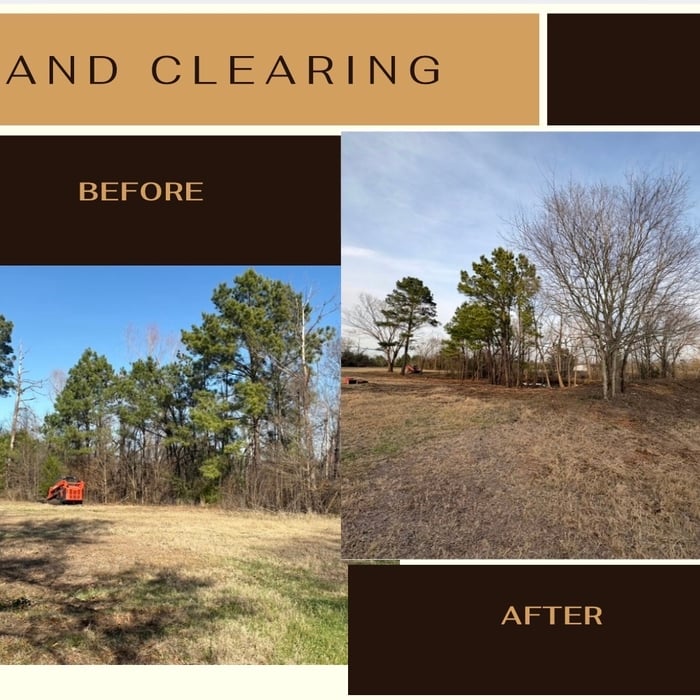
Land clearing
Land clearing
Land clearing
2 neighbors recently requested a quote
...
Showing 1-10 of 77
Excavating questions, answered by experts

Dumpsters work best on hard, study, and level surfaces made of asphalt, stone, or concrete. If the surface is uneven or too soft, the dumpster could get stuck or tip over when filled. Keep in mind that you must obtain a dumpster permit to keep it on a city street in many areas.

Sewer lines can be buried anywhere from 18 inches to 8 feet deep, with a common average depth between 18 and 30 inches. The exact depth depends on local factors like climate and soil type. In colder regions, pipes must be buried deeper (below the frost line) to prevent freezing, sometimes as deep as 8 feet. The digging depth can also impact the cost of sewer line replacement. To find the specific depth for your property, you can check the building plans for your system, which should be on file with your city or local sanitation department since permits are required for installation.


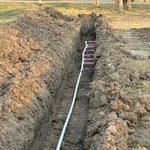
Depth is not a qualifying component of evacuation. Any human-made cut, cavity, or depression in the earth’s surface is considered excavation. The hole from excavation can be any size, shape, or depth. Excavation is used to create foundations, reservoirs, drainage ditches, and roads. Long, narrow excavations are called trenches and are often used for underground utilities.

There is no standard depth for burying a septic tank; they are typically buried anywhere from 4 inches to 4 feet underground. The final depth depends on several factors, including the depth of your main sewer line, the height of the bedrock, soil type, local regulations, and the property's landscape. If you plan to grow grass or plants over the tank, a depth of at least 4 to 6 inches is recommended. Deeper tanks can be more difficult to locate, but a septic professional can help find it for you.

No, you typically cannot use metal detectors to find your sewer line. Most sewer lines are made of non-metallic materials such as PVC, clay, or cast iron, which are not detectable by standard metal detectors. Metal detectors are designed to locate metallic objects, so they won't be effective for identifying the path of a non-metallic sewer line. To locate your sewer line accurately, it's best to use other methods.

The Refugio, TX homeowners’ guide to excavation services

From average costs to expert advice, get all the answers you need to get your job done.