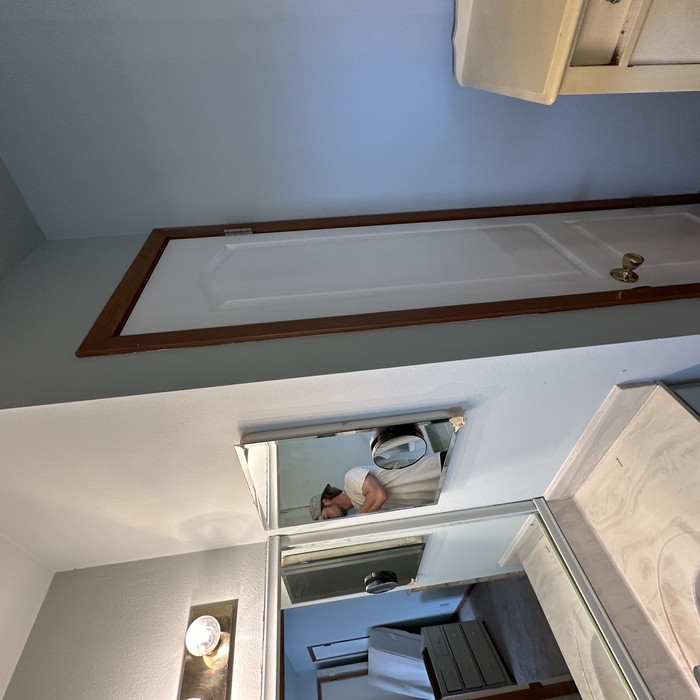
"He came in and got straight to work. He was professional and relatable and didn't charge me an arm and a leg to get the work done. I would definitely hire him again and recommend him to friend & family."
"It was refreshing to work with Carson. He was here when he said he would and did more than he was hired for. After power washing the house the painting job was excellent. His attention to all details including cleanup was superb. I highly recommend him to anyone who needs painting services at a very reasonable price."
"Overall it was a great experience. The installer was very professional, efficient, and he cleaned up the job site and even took the old carpet with him. "
"I only use James when I need some work done to my house. He responds fast, gets the work done quicker than just about anyone else I've ever used and seems very concerned with leaving his customers happy."
There’s no single paint that’s the most waterproof. Instead, there are several types of waterproof and water-resistant paints that suit different purposes. Epoxy paint, for instance, is commonly used to provide a waterproof coating to floors and decks. Masonry paint is an excellent choice for exterior walls. Meanwhile, there are waterproof acrylic paints that can be used for interior and exterior walls. It’s more about choosing the best type for what you’re painting instead of the most waterproof paint overall.
Wood stain is not flammable after it dries. The solvent in wood stain is what causes the liquid form to be highly flammable, but the stain drying process involves the solvents dissolving, which leaves behind a non-flammable product on your wood project. Wood stain is, however, flammable before you apply it, so you should always store partially full cans and used wood stain rags away from sources of heat and open flames.
Yes, you can waterproof any wood that has not already been treated. A good way to test this is to splash some water on it. If the water starts to bead up, the wood is treated and most likely doesn’t need another coating.
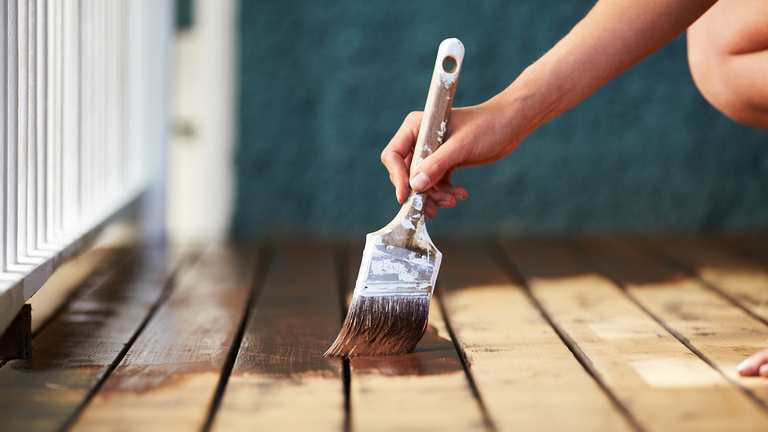
When staining a deck, don’t skip surface prep, avoid staining damp or dirty boards, and don’t apply stain in extreme heat, cold, or wet conditions. Never overload the wood with a stain, as too much can cause tackiness or peeling. Also, don’t forget to test a small area first to ensure the color and finish look right.
Choosing the best color for your home exterior should factor in longevity as well as your personal taste. To keep your house looking newly painted as long as possible, stay away from red paint. Although red homes pop and are quintessential for country-style barns, red paint tends to fade fastest in the sun. Go with earth tones if you want paint that best resists fading.
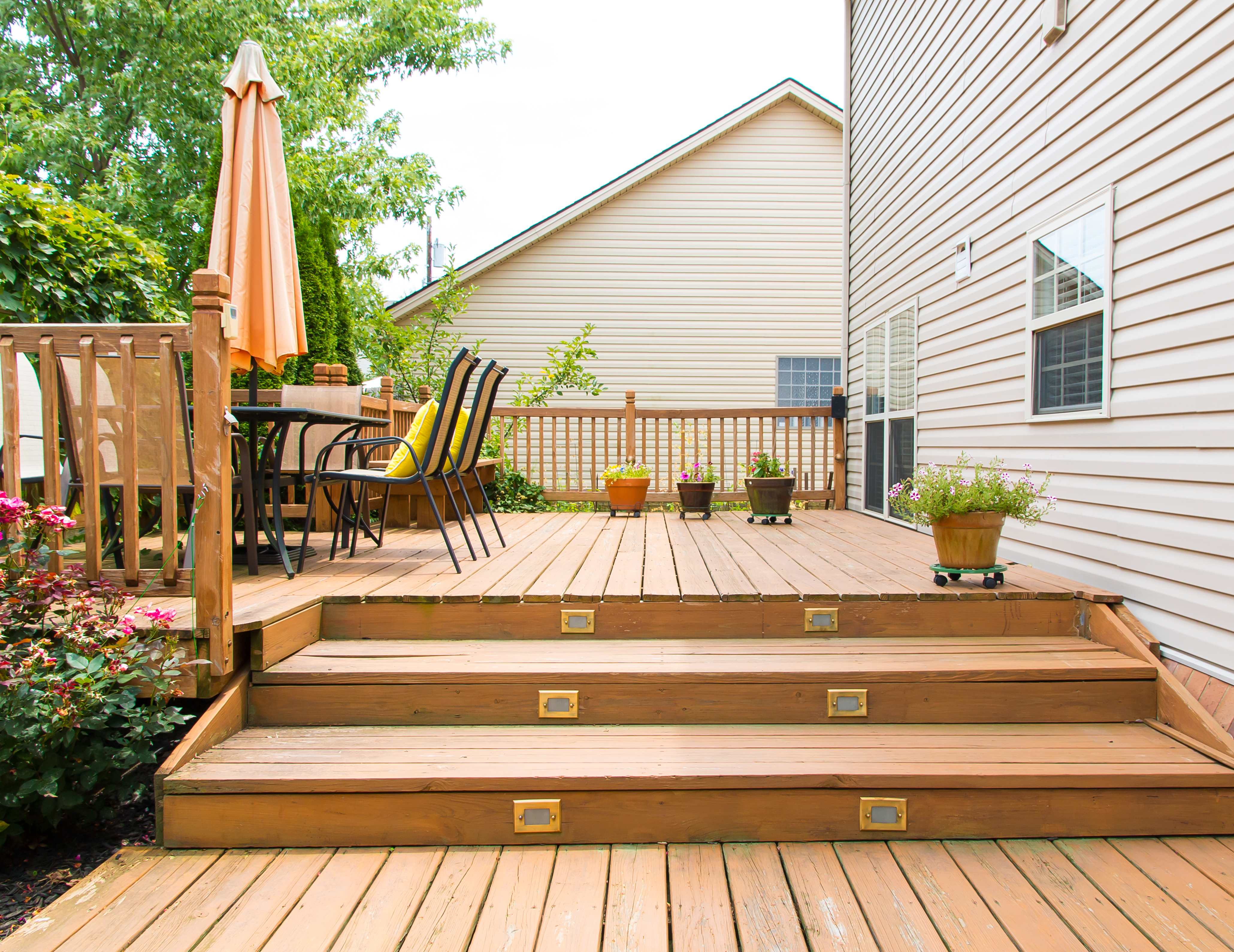
The Asherton, TX homeowners’ guide to deck staining services
From average costs to expert advice, get all the answers you need to get your job done.
The best time to stain a deck is when it’s dry but not too sunny. How often you restain a deck depends on climate and wood type, but every two to three years is normal.