
Top-rated excavation pros.

Get matched with top excavation pros in Petros, TN

Enter your zip and get matched with up to 5 pros

Need a pro for your excavation project in Petros, TN?

Select your specific project to find the pro for you.

TRUSTED BY PETROS, TN HOMEOWNERS

  • Average homeowner rating star icon4.9
    Average homeowner rating
  • Verified reviews icon40
    Verified excavation services reviews

Find Excavation pros in Petros

Blaine Henry Excavating LLC
4.2(
13
)
Landscape - Minor Grading or Resloping

Serving Petros, TN and surrounding areas

Approved

In business since 2018

Free estimates

Offers commercial services

"I met Blaine and his father, Ron in December. I instantly knew they were the people I wanted to do the job. As we walked around my yard I was impressed with their knowledge and courtesy. I was particularly happy to hear they'd been in this business for 3 generations. I interviewed two other companies getting the obligatory 3 references. The difference between the 2 and Blaine was night and day. Neither of them really knew what they were doing. One, it seemed had to check with my engineer on every step. Blaine knew exactly what to do without consulting anyone (except sometimes his dad)- they were a Team! They are the experts. The job was finished sooner than expected. I've never seen people work so efficiently.. They worked in tandem with the structural engineers specifications. Although I don't think they needed his instructions. They left a very clean worksite (after excavation work!) I highly recommend this excellent company."
Response time1 day
14 neighbors recently requested a quote
Recommended by91%of homeowners
Avatar for Andrew Pazder Excavation
Andrew Pazder Excavation
5.0(
2
)
Landscape - Minor Grading or Resloping

Serving Petros, TN and surrounding areas

Approved

Emergency services offered

I started off in a skid steer at young age with my family owning an excavation business and became very interested at a young age. I’ve been in excavation full time since I was 15 years old working at 2 grading company’s one residential and the other commercial to better my knowledge for whatever the job throws at my crew and I.

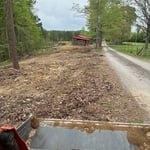
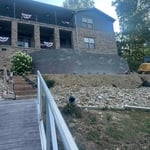
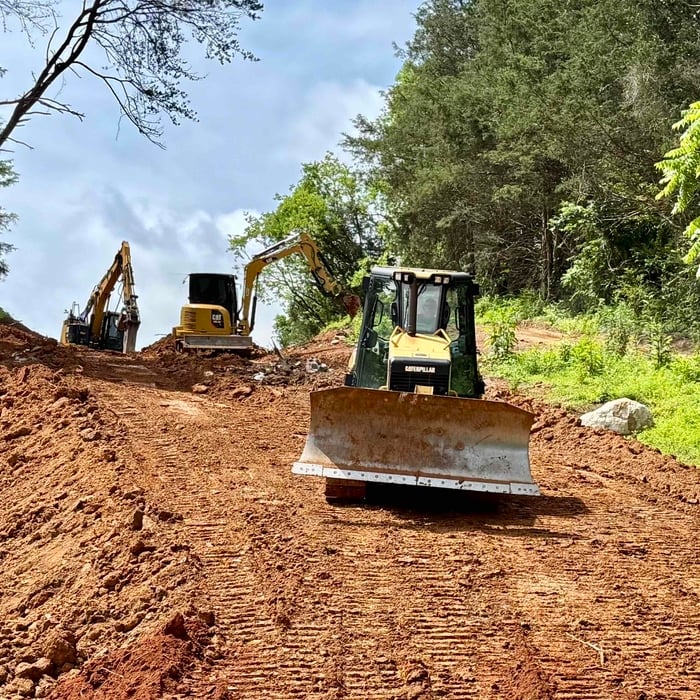
Project petree
Project petree
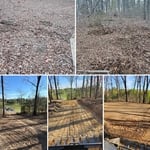
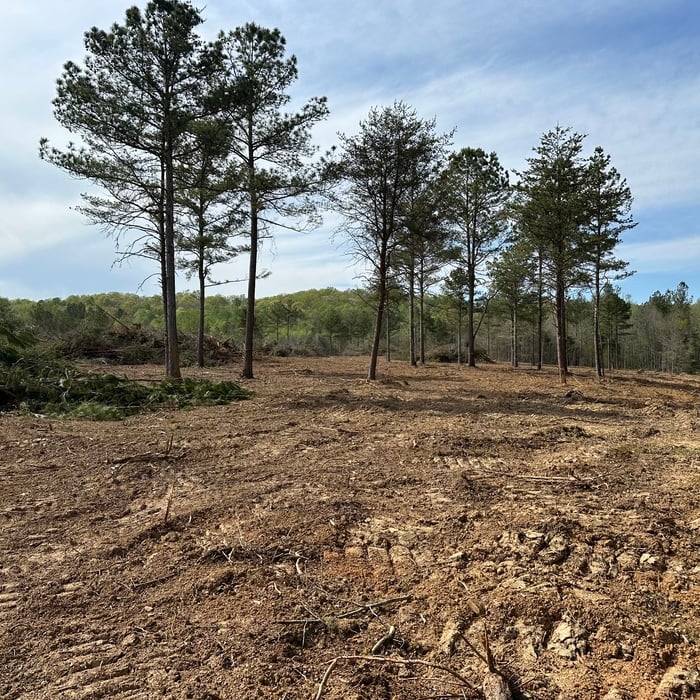
Lake view lot
Lake view lot
Lake view lot

+16

1 neighbors recently requested a quote
...
Showing 1-10 of 111
Excavating questions, answered by experts

No, you typically cannot use metal detectors to find your sewer line. Most sewer lines are made of non-metallic materials such as PVC, clay, or cast iron, which are not detectable by standard metal detectors. Metal detectors are designed to locate metallic objects, so they won't be effective for identifying the path of a non-metallic sewer line. To locate your sewer line accurately, it's best to use other methods.

Trenching and boring are two distinct methods for installing underground utilities. Trenching involves digging a channel using equipment like an excavator, trencher, backhoe, or shovel. While it is a simpler process, it causes significant disruption to the surface, landscaping, and surrounding ecosystems.

Boring, also known as directional boring, is a less invasive alternative that uses a drill to create a tunnel for utility lines without disturbing the surface. This method is more precise and is ideal for installations that need to go underneath buildings, roads, or bodies of water. Although boring is less disruptive, it is generally more expensive than trenching.

Sewer lines can be buried anywhere from 18 inches to 8 feet deep, with a common average depth between 18 and 30 inches. The exact depth depends on local factors like climate and soil type. In colder regions, pipes must be buried deeper (below the frost line) to prevent freezing, sometimes as deep as 8 feet. The digging depth can also impact the cost of sewer line replacement. To find the specific depth for your property, you can check the building plans for your system, which should be on file with your city or local sanitation department since permits are required for installation.

How deep your septic system needs to be into the ground depends on several factors. In extremely cold environments, the tank needs to rest below the maximum frost line, which can be up to six or eight feet deep. The standard burying depth for most systems is between a few inches and four feet below ground level. Depth can also depend on the slope of the landscaping and other property variables. 

Depth is not a qualifying component of evacuation. Any human-made cut, cavity, or depression in the earth’s surface is considered excavation. The hole from excavation can be any size, shape, or depth. Excavation is used to create foundations, reservoirs, drainage ditches, and roads. Long, narrow excavations are called trenches and are often used for underground utilities.

The Petros, TN homeowners’ guide to excavation services

From average costs to expert advice, get all the answers you need to get your job done.