





Top-rated excavation pros.

Get matched with top excavation pros in Jacksboro, TN

Enter your zip and get matched with up to 5 pros

Need a pro for your excavation project in Jacksboro, TN?

Select your specific project to find the pro for you.

TRUSTED BY JACKSBORO, TN HOMEOWNERS

  • Average homeowner rating star icon5
    Average homeowner rating
  • Verified reviews icon17
    Verified excavation services reviews

Find Excavation pros in Jacksboro

Avatar for A&L construction
A&L construction
New to Angi
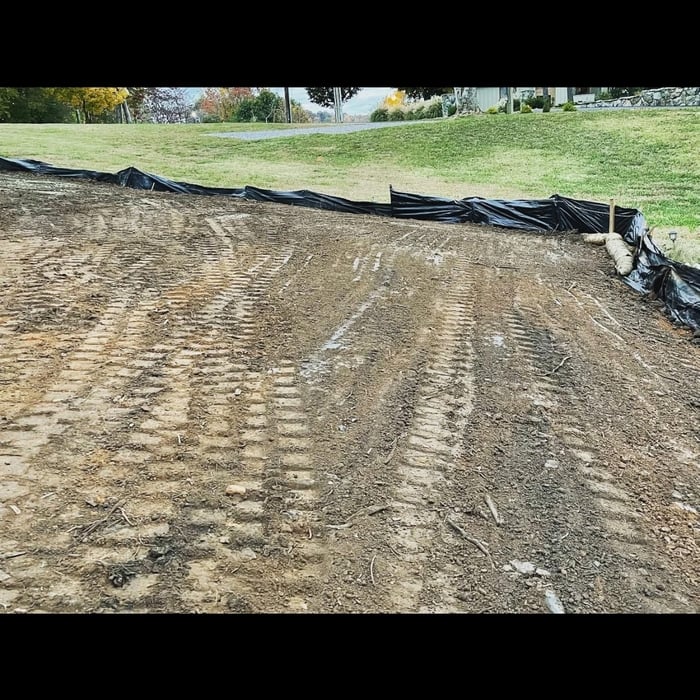
Landscape - Minor Grading or Resloping

Serving Jacksboro, TN and surrounding areas

Approved

Free estimates

Warranties offered

Small jobs welcome

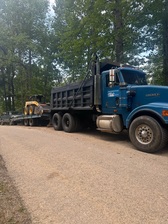
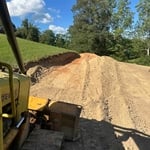
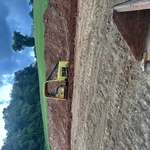
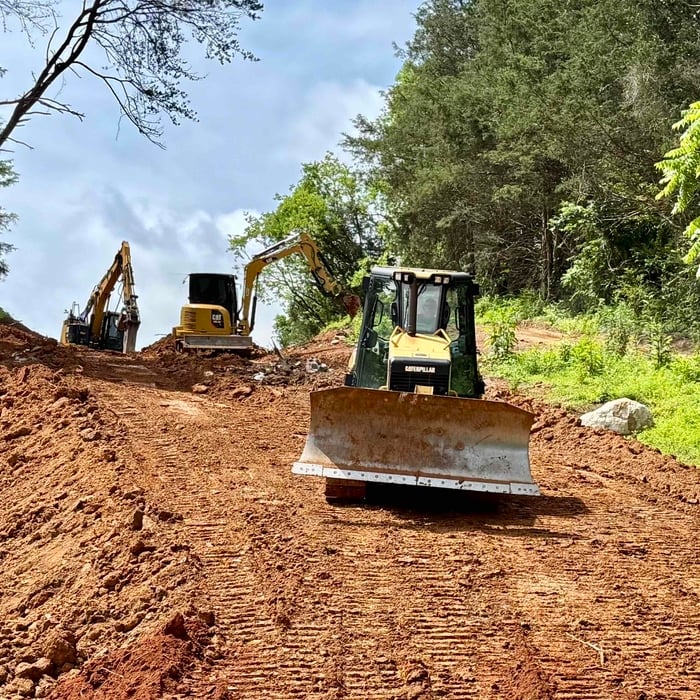
I am Elton owner of a&l construction we have over 15 years of experience we have experience in a whole lots of different things from land clearing all the way to putting the last pice of sodwe can do septic tanks install in the state of Tennessee we can do land clearing and we can do grade work around new build or existing homes

6 neighbors recently requested a quote
...
Showing 1-10 of 114
Excavating questions, answered by experts

If you have a broken sprinkler pipe underground, there will be some signs you can easily spot to locate it and take action. These include leaks, water spouts, flooding, consistently damp areas on your lawn, low water pressure, and grass around the sprinkler head that’s taller and darker than anywhere else in the yard. 

If there are no obvious signs of a broken pipe, you can use tools such as water leak mics, leak noise loggers, audio devices that record leaks, and acoustic testing links. 

Broken pipes can lead to uneven watering, plant damage, and higher utility bills. The longer you wait to fix them the more the repair cost may be.

Digging a bush up by the roots is the most natural DIY method for removing a bush stump. Start by identifying the shrub type and revealing its roots. Cut the shrub to its base and loosen the soil, ensuring no utility lines are nearby. Optionally, treat the base with herbicide, then dig around the roots and cut a circle around the shrub using various tools. Dig a trench, cut the base of the root ball, and finally fill the hole to prevent regrowth. This thorough process ensures complete removal without damaging surrounding areas.

The digging depth will depend on the size of the trencher you use. Even smaller units can dig up to 4 feet deep, which is plenty for a DIY job. However, much larger trenchers can reach a depth of 18 feet and are better used by a team of pro contractors, not a single DIYer. As with all home improvement projects, use the right tool for the job and proceed with caution.

Professional installers often include a deep layer of crushed gravel under permeable pavers to allow more runoff to soak through into the soil below. Many installations will include multiple layers of gravel, with coarser aggregate at the base and finer aggregate that sits on top of that bottom layer. Above the gravel, you’ll often find coarse sand that helps reduce paver shifting over time. Some permeable paver designs include a water collection system set into the gravel layer to route runoff to a safe area for disposal.

A walk-behind trencher can cut through roots as long as they’re not too thick, making a project much easier than digging with a shovel and other hand tools. Assess your terrain and the number of trees in the surrounding area to determine if a walk-behind trencher will ease the job. Digging a trench by hand is much more time-consuming and labor-intensive. 

The Jacksboro, TN homeowners’ guide to excavation services

From average costs to expert advice, get all the answers you need to get your job done.