

Top-rated drywall pros.

Get matched with top drywall pros in Maynardville, TN

Enter your zip and get matched with up to 5 pros

Need a pro for your drywall service project in Maynardville, TN?

Select your specific project to find the pro for you.

TRUSTED BY MAYNARDVILLE, TN HOMEOWNERS

  • Average homeowner rating star icon4.7
    Average homeowner rating
  • Verified reviews icon106
    Verified drywall services reviews

Find Drywall pros in Maynardville

Avatar for Mr. Handyman of West Knoxville
Mr. Handyman of West Knoxville
4.4(
196
)

Serving Maynardville, TN and surrounding areas

Approved

In business since 2009

Warranties offered

Small jobs welcome

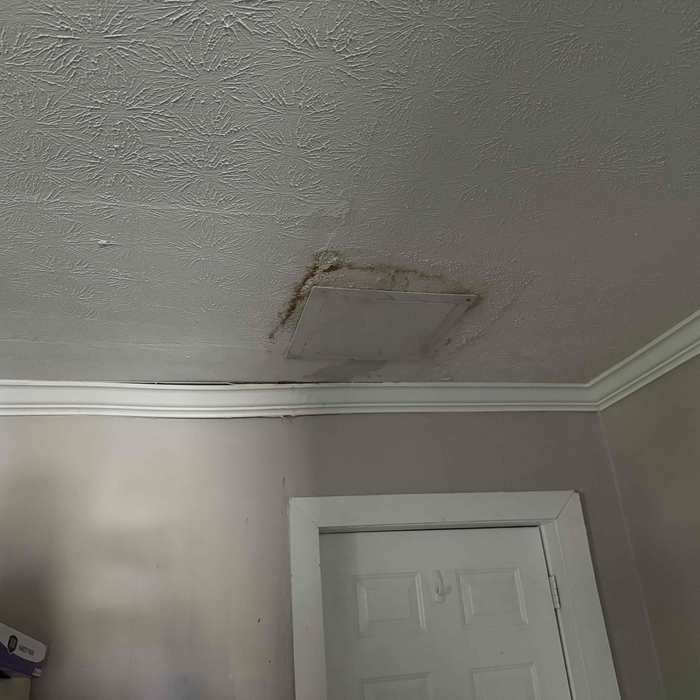
"The work went very well, texture matches well and was performed timely. Mark Jenkins was professional and really made this patch match the surrounding ceiling. I would hire Mark again for drywall work"
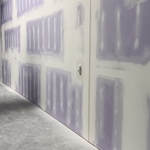
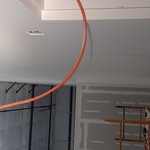
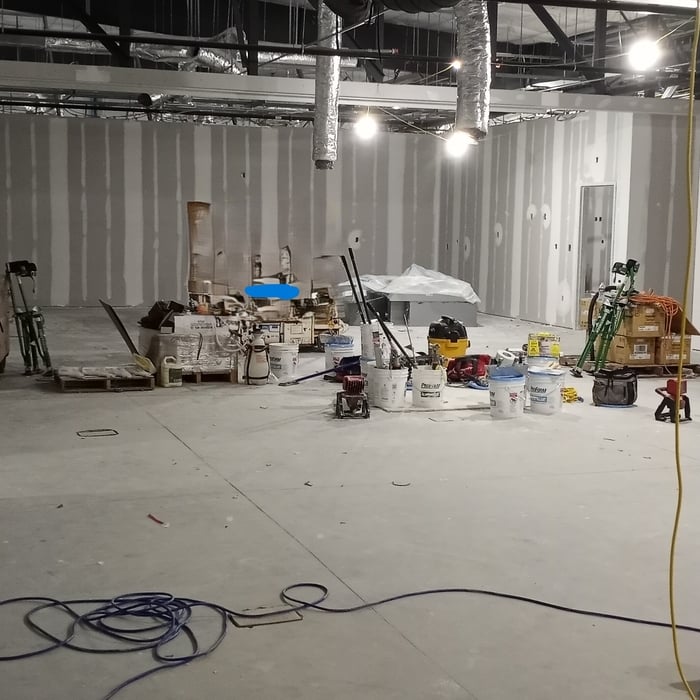
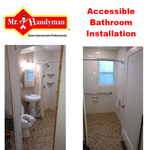
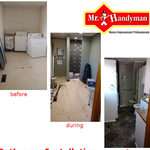
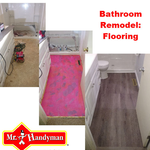
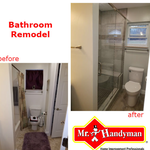
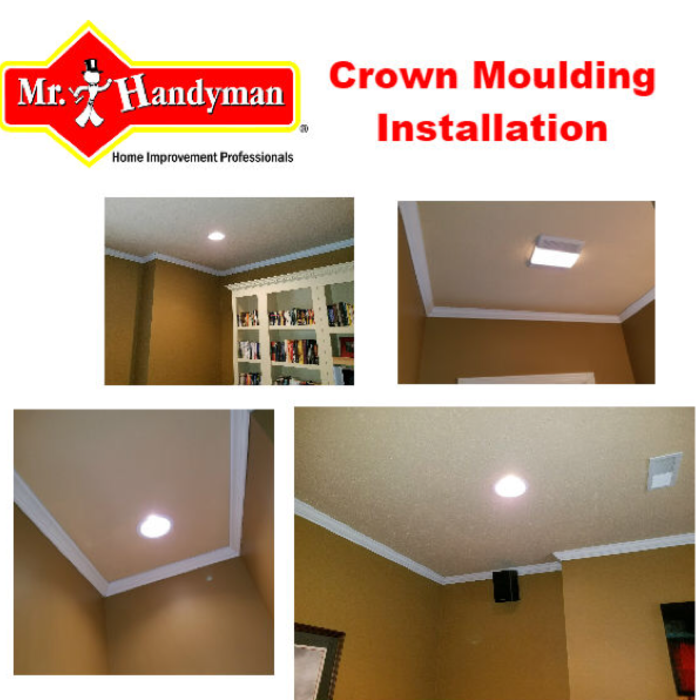
Additional Photos
Additional Photos
New Flooring
Additional Photos
Additional Photos

+55

7 neighbors recently requested a quote
Recommended by89%of homeowners

C & C Drywall Group
5.0(
2
)

Serving Maynardville, TN and surrounding areas

Approved

In business since 2000

Free estimates

Offers commercial services

"Francisco and his crew showed up promptly at 8 AM on the first day and the following days of the project. They were polite, worked hard and were careful to clean up after themselves while working inside my house. The drywall work, wood paneling and some carpentry was nicely done plus a few extras projects. They cleaned up and removed all the construction trash at the end of the job."
...
Showing 1-10 of 197
Drywall questions, answered by experts

You can usually tell if you have plaster or drywall by touch (plaster is harder, colder, and smoother than drywall) or by tapping on it (drywall sounds hollow, plaster does not). If you still cannot tell, peek under an outlet cover and check the cut edges. The rough edges show the composition of the wall. You will see either drywall (two paper sheets sandwiching gypsum material) or only plaster material (no paper sheets).

Depending on the place where the cutting error occurred, you may be able to fix it. Learning how to patch a hole in drywall is challenging, but if you can tape and mud drywall, you can do it. Having said that, patching is time consuming. Early in the installation process, you may find that it’s easier and far less time consuming to just start over with a new sheet of drywall, cutting a new hole in the right spot. You may be able to use part of the incorrectly cut piece elsewhere, so it’s not completely wasted.

Plaster walls typically last between 30 and 70 years, but depending on the quality of the materials and the moisture levels in the building, they can last for over 100 years. With expert application and consistent maintenance, plaster can even last for centuries. To extend its lifespan, it is important to have the plaster professionally installed, address any water damage promptly, and repair small cracks as they appear. Regular inspections by a professional can help identify and address concerning cracks before they become significant issues.

To properly clean and maintain your skip trowel drywall texture, dust the surface weekly with an electrostatic duster or vacuum with a soft brush attachment. Never scrub the surface. You can remove stains by gently applying a mild detergent solution with a paint roller, removing it with a damp roller, and drying with a dry roller. To cut down on cleaning frequency, avoid indoor smoking and limit the use of fireplaces.

All plaster walls will crack over time due to normal house settling and expansion and contraction from temperature and moisture changes. Small, thin hairline cracks are generally not serious and are mostly a cosmetic issue. However, larger or more significant cracks can indicate structural problems.

Here's how to tell the difference:

  • Cosmetic Cracks: Cracks that are 0.5 cm (0.2 inches) or thinner are typically cosmetic.

  • Structural Cracks: Cracks wider than 0.5 cm, excessive or deep cracks, multiple cracks in the same area, or cracks that span around corners can signify a structural or foundation issue. Cracks along the joints where walls meet the ceiling also warrant attention.
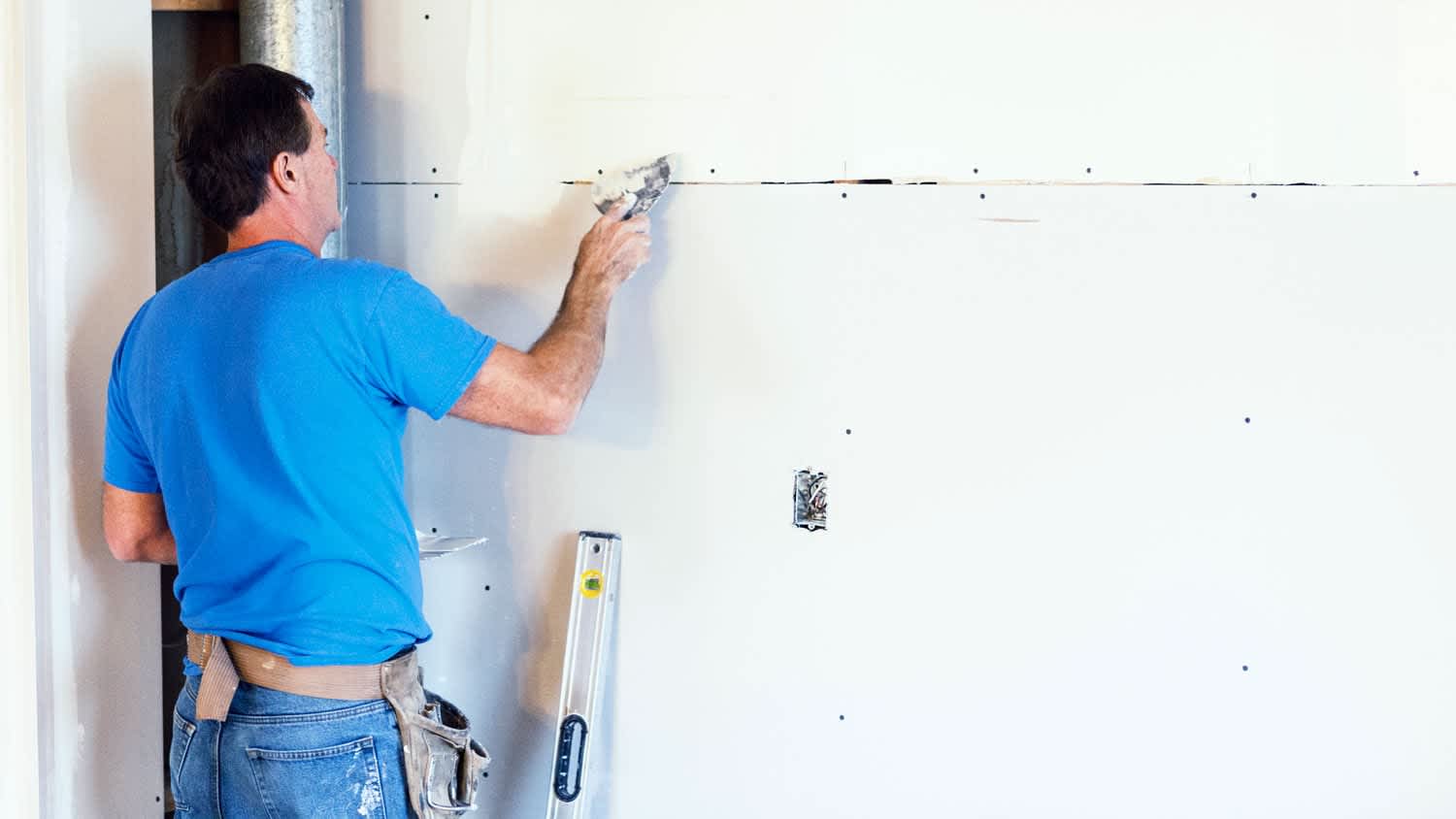
For cracks wider than 0.5 cm, structural repair is needed. If a crack is 2.5 cm (1 inch) or wider, or if you notice any signs of a structural problem, it is best to contact a plaster repair professional to assess the damage.

The Maynardville, TN homeowners’ guide to drywall services

From average costs to expert advice, get all the answers you need to get your job done.