





Top-rated drywall pros.

Get matched with top drywall pros in La Follette, TN

Enter your zip and get matched with up to 5 pros

Need a pro for your drywall service project in La Follette, TN?

Select your specific project to find the pro for you.

Find Drywall pros in La Follette

Avatar for The Wrench Wench
The Wrench Wench
5.0(
1
)
Drywall - RepairDrywall - Repair - For Business

Serving La Follette, TN and surrounding areas

Approved

Free estimates

Offers commercial services

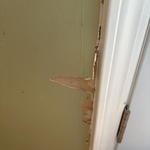
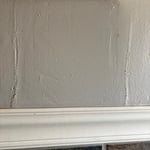
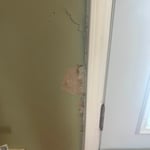
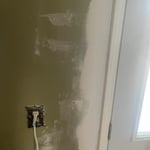
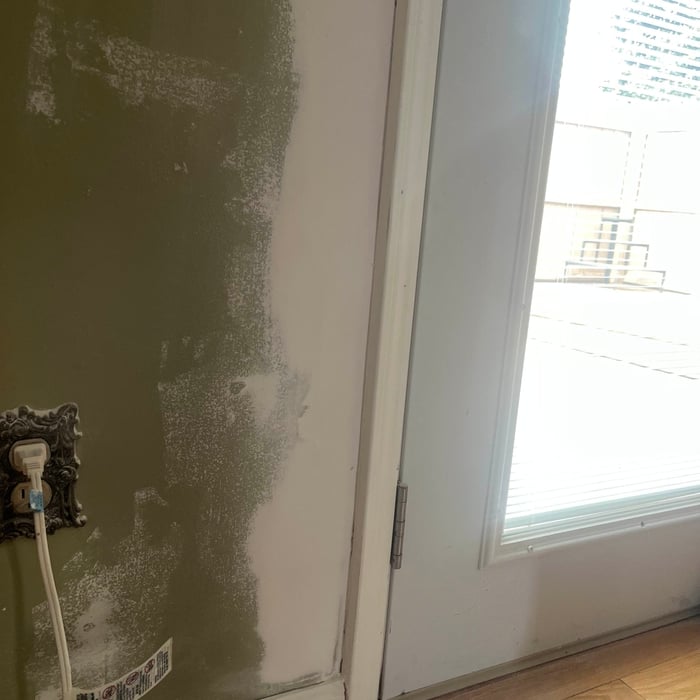
"Very satisfied with pro from Angie.com who completed job above and beyond. Tracie was detailed in repairing drywall tares in two different rooms. I would request her services again as needed."
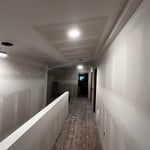
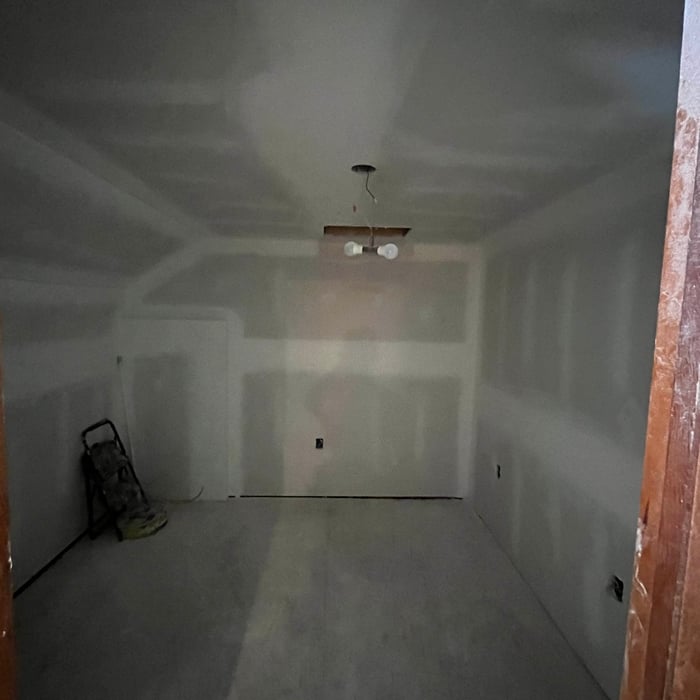
Before
Before
Before
After
After

+32

9 neighbors recently requested a quote
...
Showing 1-10 of 116
Drywall questions, answered by experts

Yes, you can hammer a nail into a wall stud. But before you do, it’s important to confirm that you’re actually nailing into a stud—and not wiring, pipes, or ductwork. To check, find a few more studs in the wall, then measure to make sure they’re either 16 or 24 inches apart.

Common causes include water leaks, settling, and impact. Address underlying issues to prevent recurring damage.

Although they are used for similar tasks, spackle and joint compound are not the same. Joint compound, also known as drywall mud, consists of limestone and gypsum and is primarily used for large-scale projects like taping and finishing seams on new drywall. Spackle is composed of gypsum and binding agents, making it a thicker compound best suited for small wall repairs like filling nail holes or cracks, as it dries quickly and is easy to sand. For small repairs, either product can be suitable. However, you can use joint compound for small jobs in place of spackle, but you cannot use spackle for large-scale taping and mudding projects.

Wall anchors are suitable for drywall and plaster walls, which are common in most homes. However, different wall materials may require specialized anchors. For concrete or masonry walls, you'd typically use concrete anchors. When dealing with other wall types, such as brick or tile, specific anchors designed for those materials may be necessary. Always consult with a hardware specialist or check the manufacturer's recommendations to ensure you select the appropriate anchors for your specific wall type.

Yes, it matters which side of drywall you use. One side is smooth, and the other is rough. The smooth side should be facing outward, toward the room, while the rough side should be hidden and facing the studs and framing of the house. The smooth side will be easier to apply tape, joint compound, and, later, paint to.

The La Follette, TN homeowners’ guide to drywall services

From average costs to expert advice, get all the answers you need to get your job done.