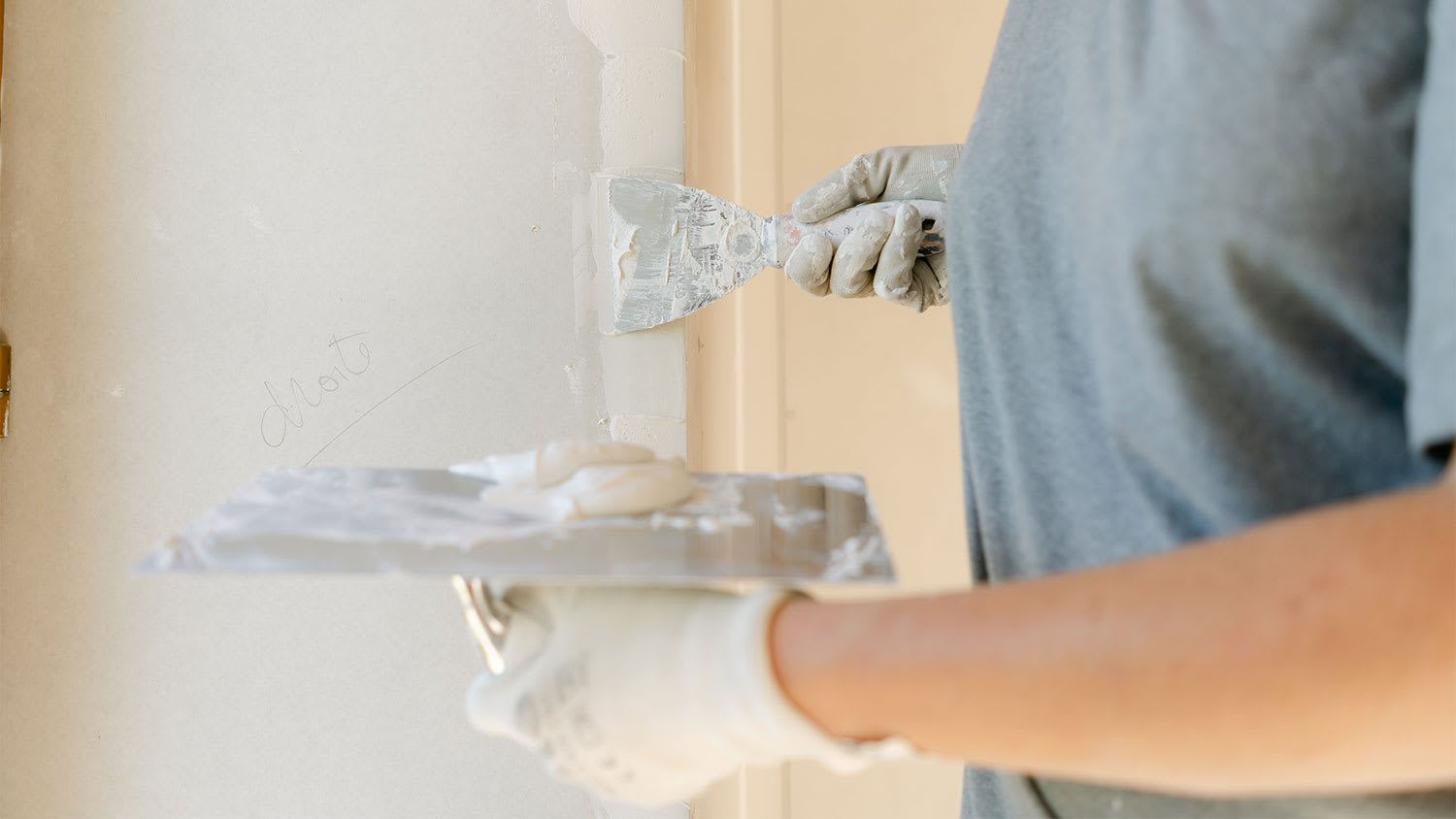







Top-rated plaster repair specialists.

Get matched with top plaster repair specialists in Limestone, TN

Enter your zip and get matched with up to 5 pros

Need a pro for your plaster repair project in Limestone, TN?

Select your specific project to find the pro for you.

TRUSTED BY LIMESTONE, TN HOMEOWNERS

  • Average homeowner rating star icon4.6
    Average homeowner rating
  • Verified reviews icon136
    Verified plaster repairs reviews

Find Plaster repair specialists in Limestone

Allied Drywall
3.5(
30
)
Plaster - InstallPlaster - Install - For BusinessPlaster - Repair+1 more

Serving Limestone, TN and surrounding areas

In business since 1992

Emergency services offered

"Don and his son, Eric, came in and took out the drywall in one day.  After MasterDry finished they came back in promptly and repaired the walls to perfection.  They even repaired a flawed area of drywall over the circuit box that had nothing to do with this job but the shoddy work done by someone else was obviously bothering them enough to fix it. They pay attention to detail.  Afterwards, I asked if they would replace three drop ceilings in the same area.  They are very efficient workers and cleaned up great.  I was very pleased with how it turned out.  Don't waste your time calling anyone else!  Don and Eric are your guys for drywall!
"
Recommended by100%of homeowners
Small Drywall repair service
New to Angi
Plaster - Repair - For Business

Serving Limestone, TN and surrounding areas

In business since 2015

Free estimates

Credit card accepted

We are committed to excellence in every aspect of our business. We uphold a standard of integrity bound by fairness, honesty, and personal responsibility. Our distinction is the quality of service we bring to our customers. Accurate knowledge of our trade combined with ability is what makes us true professionals. Above all, we are watchful of our customers' interests and make their concerns the basis of our business.

Showing 1-10 of 39
Plaster Repair questions, answered by experts

This depends on how much plaster is applied and in how many layers, but a decent estimate is around 150 square feet. If you are applying only two coats on a small wall, there is a chance you may only need one or two gallons for the entire project. If you are plastering a large living room wall with high ceilings, using one of the more involved techniques–like Scagliola–that requires several coats, expect the project materials costs to add up quickly. 

Both plaster and drywall are durable wall finishes, but they differ significantly in installation, cost, performance, and aesthetics.

Installation & Cost: Drywall installation is faster and more affordable, typically costing $1.50 to $3 per square foot. It uses premade sheets, making it a more accessible DIY project. Plastering is a labor-intensive craft that requires specialized skills, pushing costs to $2 to $10 per square foot. It involves applying a wet paste over a lath framework.

Durability & Performance: Plaster is generally more durable, longer-lasting, and provides superior soundproofing. It is also a better insulator, which can help reduce energy costs. Drywall is easier to remove for future renovations.

Aesthetics: Drywall provides a smooth, uniform surface ready for paint or texture. Plaster offers a high-end, naturally textured look that can hide imperfections and is often preferred for achieving a classic or historic aesthetic.

Which is better? The choice depends on your priorities. Drywall is ideal for those prioritizing a lower upfront cost, faster installation, and DIY potential. Plaster is the better option for a higher-end project where durability, soundproofing, and a unique, premium finish are more important than the initial cost.

Plaster is a pretty tough surface, but it can still sustain damage from things like bumping against it, water issues, dampness, extreme humidity changes, and plain old age. Most plaster walls last hundreds of years and will only be taken down to the base layer when major repairs are required. Being cautious around the wall, not placing furniture against it, and ensuring stable humidity are all great ways to reduce possible damage.

While you should consult with a ceiling professional for larger cracks, especially if you’re not sure what’s causing your ceiling to crack, you can certainly try to repair small cracks on your own. If you’re up for the task, here’s how to repair ceiling cracks for $150 or less.

Although they have similar applications, spackle and joint compound are not the same. Their primary differences lie in their composition, consistency, and ideal use cases.

Spackle is composed of gypsum and binding agents, making it thicker than joint compound. It dries quickly and is easy to sand, which makes it ideal for small wall repair projects like filling nail holes or patching minor damage.

Joint compound, also known as drywall mud, consists of limestone and gypsum. It is primarily used for large-scale projects, such as taping and finishing the seams on newly installed drywall. It tends to shrink more than spackle and can be more difficult to spread.

While both products can be used to fill small depressions and cracks, spackle cannot replace joint compound for taping and mudding new drywall. Conversely, you can often use joint compound for small patching jobs typically done with spackle.

The Limestone, TN homeowners’ guide to plaster repairs

From average costs to expert advice, get all the answers you need to get your job done.