
Top-rated asphalt driveway pros.

Best asphalt driveway pros near Jellico, TN

Enter your zip and get matched with up to 5 pros

Need a pro for your asphalt driveway service project in Jellico, TN?

Select your specific project to find the pro for you.

Top-Rated Asphalt driveway pros in Jellico - Updated Nov 2026

Avatar for American Driveway of Knoxville
American Driveway of Knoxville
4.5(
267
)
Concrete Driveways - Install

Serving Jellico, TN and surrounding areas

Approved (Corporate)

In business since 2016

Free estimates

Small jobs welcome

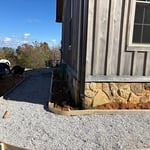
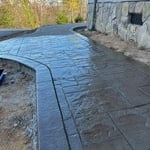
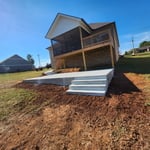
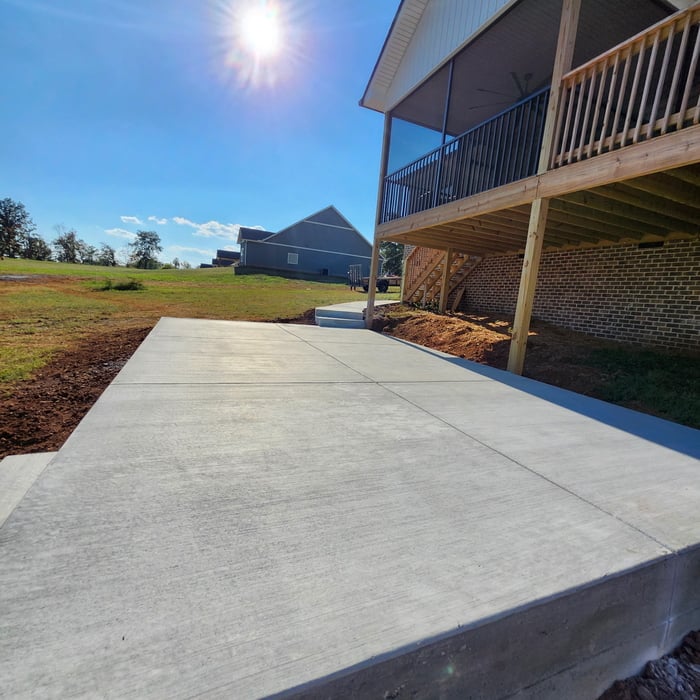
"Most of what we do is full tear-out and replacement. We remove the old cracked, settling, or spalling concrete, rebuild the base the right way, and pour new. We also handle driveway extensions and widening, aprons and curb cuts, stamped and decorative concrete, and concrete repair.\n\nOur crews have poured more than 38,000 residential concrete projects. Every job gets a dedicated project coordinator, up-front pricing with no surprise change orders, and a final walkthrough before we call it finished. Licensed and insured.\n\nNeed a new driveway? Request a free estimate and we'll measure your property and give you a real number — not a range."

76 neighbors recently requested a quote
Recommended by93%of homeowners
Showing 1-10 of 49
Asphalt Driveways FAQs, answered by experts

Asphalt is made of aggregate materials (sand, rocks, and gravel) and bitumen, a viscous, petroleum-based, waterproof substance. These materials are mixed together at extremely high temperatures to form asphalt.

Whether you should resurface or replace your asphalt driveway heavily depends on its condition. If the foundation is solid and the damage is minor, resurfacing is your best bet because it’s more affordable and faster than replacing the driveway. But if your driveway has foundational problems and/or severe damage, like large, deep cracks and potholes, then it makes more sense to replace it. 

Asphalt and tarmac are not the same thing. Traditional tarmac, short for tarmacadam, uses tar as a binder to hold crushed stone together. Asphalt uses bitumen—a byproduct of crude oil—to bind aggregate. Though tarmac was once a go-to for roads, asphalt has become the modern standard. And these days, most surfaces referred to as “tarmac” are actually asphalt. So, while the names may overlap, the key distinction lies in the binder—tar for tarmac and bitumen for asphalt.

Since it has a smoother surface using a mixture of finer rock and sand, 41A tends to be the best asphalt grade for a driveway, especially for residential driveways. Other options are available, but more homeowners choose 41A for a smoother asphalt driveway. Talk with your asphalt driveway professional for recommendations of the best grade for your specific driveway.

Wet cutting is usually the preferred method. It controls dust, which helps protect your lungs and makes for a cleaner working environment. Plus, the water cools the blade, preventing overheating and prolonging its life while providing smoother, more precise cuts. The downside is the mess—water and asphalt sludge can be messy to clean. Dry cutting, though convenient if water isn’t available, creates a lot of dust, which can be harmful. This also increases the risk of blade damage due to overheating. So, if you have the option, wet cutting is the better method for most asphalt jobs.

The Jellico, TN homeowners’ guide to asphalt driveway services

From average costs to expert advice, get all the answers you need to get your job done.