


Top-rated excavation pros.

Get matched with top excavation pros in La Follette, TN

Enter your zip and get matched with up to 5 pros

Need a pro for your excavation project in La Follette, TN?

Select your specific project to find the pro for you.

Find Excavation pros in La Follette

Avatar for A&L construction
A&L construction
New to Angi
Landscape - Minor Grading or Resloping

Serving La Follette, TN and surrounding areas

Approved

Free estimates

Warranties offered

Small jobs welcome

I am Elton owner of a&l construction we have over 15 years of experience we have experience in a whole lots of different things from land clearing all the way to putting the last pice of sodwe can do septic tanks install in the state of Tennessee we can do land clearing and we can do grade work around new build or existing homes

10 neighbors recently requested a quote
Lafayette Landscaping
New to Angi
Landscape - Minor Grading or Resloping

Serving La Follette, TN and surrounding areas

Approved

Free estimates

Credit card accepted

Offers commercial services

At Lafayette Landscaping, we provide dependable, professional service throughout Knoxville and the surrounding areas. We offer landscaping, junk removal, pressure washing, and property cleanups. Whether you need a construction site cleaned up, old furniture hauled away, or a freshly mulched flower bed, we’re here to help. Our goal is to make every job quick, stress-free, and leave your property looking its best.

6 neighbors recently requested a quote
...
Showing 1-10 of 102
Excavating questions, answered by experts

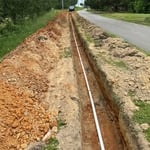
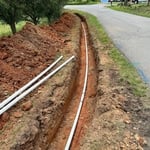
Trenches are typically 12 to 24 inches deep and 8 inches wide. However, the required depth depends on the specific project and local ordinances. For example, a French drain may need to be 18 inches deep, while a water pipe might require a depth of 24 inches and a drainage pipe 36 inches. Your city or county may have specific regulations, so it's wise to consult with an excavation professional to determine the correct depth for your project.

Digging a bush up by the roots is the most natural DIY method for removing a bush stump. Start by identifying the shrub type and revealing its roots. Cut the shrub to its base and loosen the soil, ensuring no utility lines are nearby. Optionally, treat the base with herbicide, then dig around the roots and cut a circle around the shrub using various tools. Dig a trench, cut the base of the root ball, and finally fill the hole to prevent regrowth. This thorough process ensures complete removal without damaging surrounding areas.

If you’re planning to dig on your property, you’ll need to check for underground utility lines. Call the national call-before-you-dig 811 number. Once connected to an operator, you can schedule a site visit to mark underground lines. This way, you won’t accidentally dig into pipes and can cause major (read: costly) issues.

Depth is not a qualifying component of evacuation. Any human-made cut, cavity, or depression in the earth’s surface is considered excavation. The hole from excavation can be any size, shape, or depth. Excavation is used to create foundations, reservoirs, drainage ditches, and roads. Long, narrow excavations are called trenches and are often used for underground utilities.

To locate an underground downspout, you should start by identifying where the above ground gutter drains. Look for an entry point, such as a pipe or elbow leading into the ground. Follow the surface path for signs like depressions, landscaping disruptions, or wet areas after rain. You can use a metal detector or plumber’s snake to trace the pipe underground. For deeper pipes, a professional locator tool or camera inspection may be necessary. Visual markers or utility maps can also guide the search.

The La Follette, TN homeowners’ guide to excavation services

From average costs to expert advice, get all the answers you need to get your job done.