


Top-rated structural engineers.

Get matched with top structural engineers in Harriman, TN

Enter your zip and get matched with up to 5 pros

Need a pro for your structural engineering project in Harriman, TN?

Select your specific project to find the pro for you.

TRUSTED BY HARRIMAN, TN HOMEOWNERS

  • Average homeowner rating star icon4.6
    Average homeowner rating
  • Verified reviews icon14
    Verified structural engineering services reviews

Find Structural engineers in Harriman

JM Structural Consulting LLC
New to Angi

Serving Harriman, TN and surrounding areas

In business since 2010

Free estimates

Credit card accepted

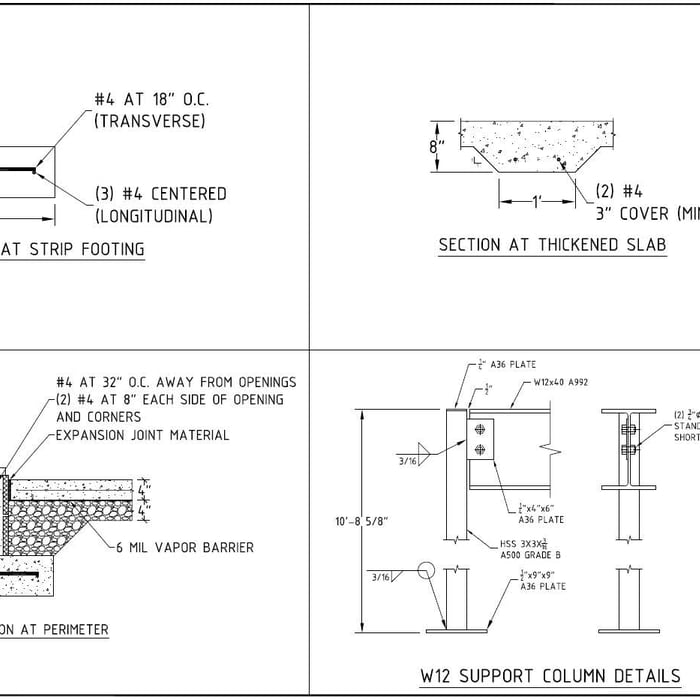
JM Structural Consulting LLC is a locally owned and operated company that values honesty and integrity and treats your home as if it were our own. We take great pride in our experience, expertise, quality, and customer service that we provide to meet the consumer's needs. It is our mission to provide excellent workmanship and complete customer satisfaction from start to completion of a project. In order to understand the needs and expectations of our customers, we take great care to work and communicate with every customer in a professional manner. Our reputation is based on service, safety, and quality, regardless of how large or small the job.

Structural Engineering questions, answered by experts

In framing, studs are placed at 16-inch intervals to coincide with the typical spacing of wall materials such as drywall or plywood. This spacing is called "on-center" and is necessary for maintaining structural stability and efficient use of materials. The 16-inch spacing also helps to distribute the weight evenly across the building's structure. For those looking to cut material costs and improve energy efficiency, 24-inch stud spacing can be employed through a method called "advanced framing". This requires careful planning and adherence to local building codes to ensure structural integrity.

No, squeaky floors do not always mean there is structural damage. The noise is often caused by friction from issues like loose floorboards, gaps between the subfloor and joists, or loose subflooring. While many squeaks are harmless, persistent or worsening noise could indicate a more severe problem. If you notice other signs of structural damage—such as soft or sagging floors, cracks running from the wall to the ceiling, or horizontal cracks in your foundation—it's best to have a professional inspect your floor to determine the root cause.

The early stages of building a house are harder than the later stages; laying the foundation and framing the house are two of the most challenging steps. However, it varies for everyone. Some people have difficulty installing HVAC, plumbing, and electricity, while others find it harder to plan the house and secure the necessary permits. 

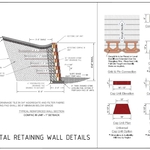
Failure to compact the soil during construction is the most common cause of leaning retaining walls. In addition, poor drainage can lead to excessive water pressure behind a retaining wall, pushing against it until it begins to move forward away from the soil it is holding back.

Water can seep into porous materials like wood beams, floor joists, and roof rafters within minutes, but they’ll need to see prolonged exposure before you have structural damage. Mold can start growing within 24 hours, and mold can eat away at the structural components over time. Wood rot is more of a concern, though. Wet and dry rot are fungal infections that set in in moist conditions and rapidly deteriorate wood, causing major structural damage within just a few months in some cases.

The Harriman, TN homeowners’ guide to structural engineering services

From average costs to expert advice, get all the answers you need to get your job done.

What do you need done? We’ll find top pros.
  • 🌱 "Mow a small front yard"
  • 🛠 "Fix a leaking pipe under the sink"
  • 🏠 "Repair shingles on an asphalt roof"