







Top-rated excavation pros.

Get matched with top excavation pros in Hampton, TN

Enter your zip and get matched with up to 5 pros

Need a pro for your excavation project in Hampton, TN?

Select your specific project to find the pro for you.

TRUSTED BY HAMPTON, TN HOMEOWNERS

  • Average homeowner rating star icon5
    Average homeowner rating
  • Verified reviews icon20
    Verified excavation services reviews

Find Excavation pros in Hampton

Avatar for Gwin's Excavating
Gwin's Excavating
5.0(
9
)

Serving Hampton, TN and surrounding areas

In business since 2020

Free estimates

Small jobs welcome

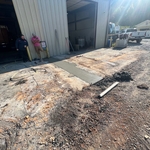
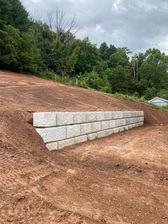
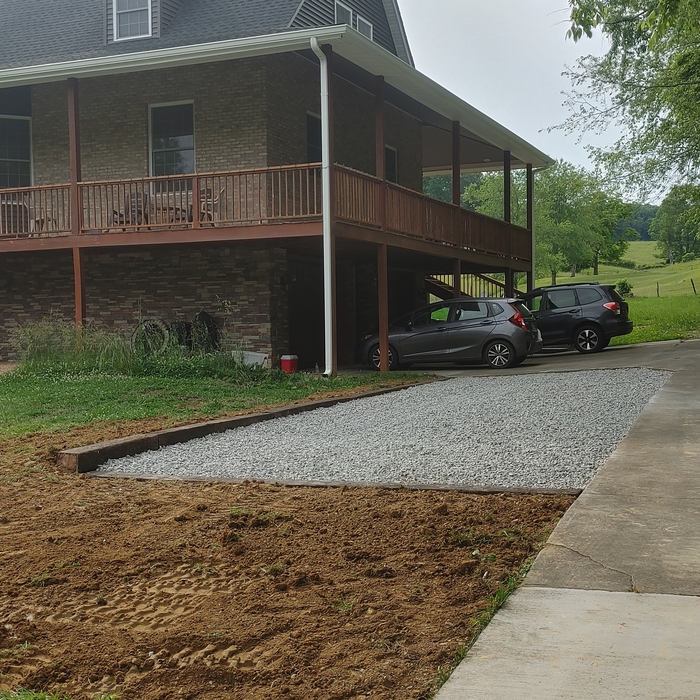
"Gwins Excavating did an outstanding job preparing the site for our retaining wall. Josh was professional, efficient, and precise, ensuring the excavation was done perfectly. The entire process was smooth, and the results exceeded our expectations. Highly recommend their services!"
Job under $1,000
AFTER
Response time1 day
Response rate89%
Recommended by42%of homeowners
Avatar for Plumb EZ
Plumb EZ
4.3(
22
)

Serving Hampton, TN and surrounding areas

In business since 2020

Credit card accepted

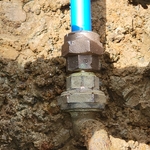
"Plumb EZ was an excellent choice for completing my plumbing needs. Daniel was willing to work on a Sunday and also stay after business hours to complete the job. The job was completed in a timely manner with a fair price. I will use Plumb EZ in the future and will recommend others use Plumb EZ as well."
Water Main
Cast Iron
Water Main
Sch. 40 Installed to replace old cast iron
Water Main

+29

Recommended by89%of homeowners
...
Showing 1-10 of 68
Excavating questions, answered by experts

You can bury underground electrical wire six inches deep—but only if you use a rigid metal electrical conduit. For rigid, non-metallic conduits, bury the wire at least 12 inches deep. If using an underground feeder cable rated for direct burial, you'll need to place it at least 18 inches deep, as it has no conduit for extra protection.

A joint utility trench, or joint trench, is a long, buried ditch on a property that contains two or more utility lines rather than running the lines in multiple trenches. Some utilities, like gas and electric or electric and communication lines, are better suited to joint trenching, while others, like water and sewer, are not allowed to be in the same trench.

Septic drain lines (or leach lines) are typically buried between 18 and 36 inches underground, and should be at least 6 inches below the surface. These pipes are perforated and surrounded by filtering materials like sand or gravel. Burying the lines at this depth helps minimize odors and allows bacteria and other biological processes in the soil to effectively treat the wastewater. Burying lines too close to the surface can cause issues unless the soil is very compact and stable.

To drill a shallow well, you may be able to use a drive well point. This is a tapered point that is driven into the ground. A drill bit at the end of PVC pipe may be another option to consider. A lot of the cost depends on what tools are available near you.

A trench that is less than 5 feet deep often doesn't require a protective system. Most residential trenches will not go this deep (the typical residential drainage trench is just 18 inches deep). In the event that an excavator needs to dig more than 5 feet beneath the surface, a protective system is required unless the excavation is in entirely stable rock.

The Hampton, TN homeowners’ guide to excavation services

From average costs to expert advice, get all the answers you need to get your job done.