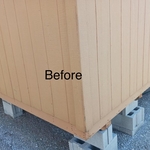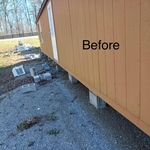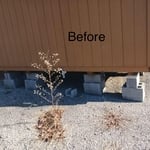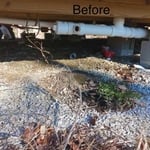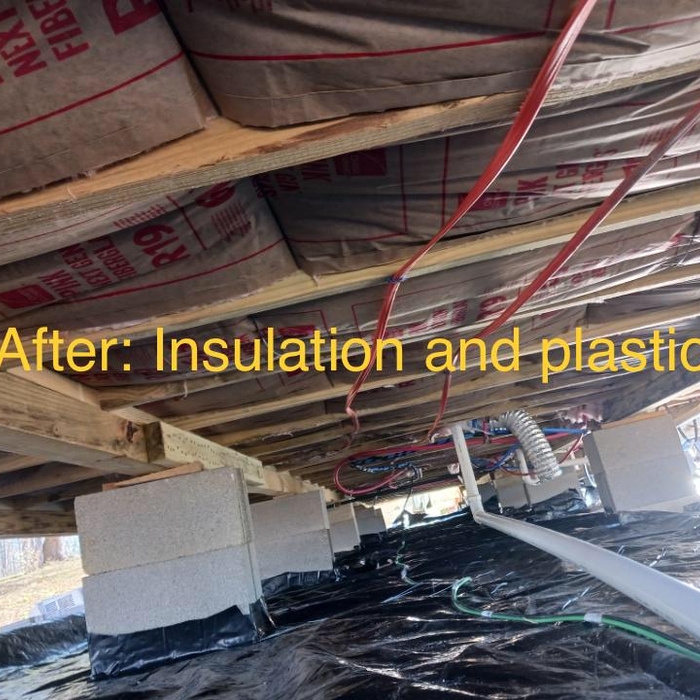





Top-rated excavation pros.

Get matched with top excavation pros in Celina, TN

Enter your zip and get matched with up to 5 pros

Need a pro for your excavation project in Celina, TN?

Select your specific project to find the pro for you.

Find Excavation pros in Celina

Avatar for VolLand Solutions Inc
VolLand Solutions Inc
5.0(
5
)
Building Site - Preparation and ClearingExcavation - Major Grading or Resloping

Serving Celina, TN and surrounding areas

In business since 2025

Free estimates

Credit card accepted

"We had our driveway cut, and these guys were extremely professional from start to finish. The price was very reasonable for the amount of work needed. They provided a quick quote and completed the job in a timely manner. Everything turned out great — highly recommend this company!"
Photos
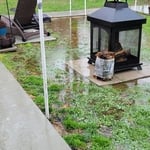
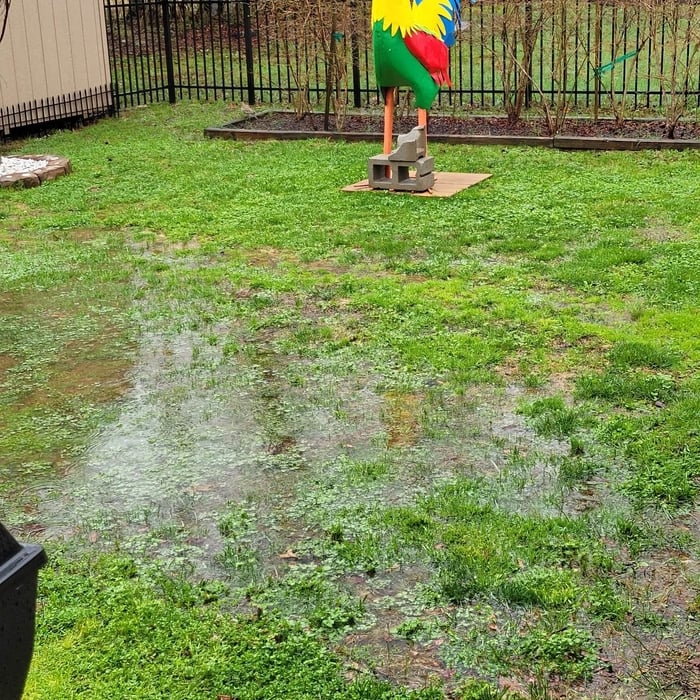
Drainage Fix
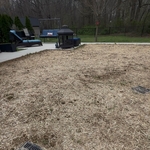
Drainage Fix
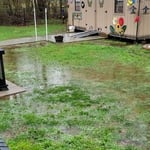
Drainage Fix
Drainage Fix

+10

12 neighbors recently requested a quote
...
Showing 1-10 of 51
Excavating questions, answered by experts

A joint utility trench, or joint trench, is a long, buried ditch on a property that contains two or more utility lines rather than running the lines in multiple trenches. Some utilities, like gas and electric or electric and communication lines, are better suited to joint trenching, while others, like water and sewer, are not allowed to be in the same trench.

Above ground pools are not buried in the ground. Typically, above ground pools are semi-permanent. One reason they’re more affordable is that you don’t have to dig for an inground pool and pour concrete or another material. However, you can choose to install a semi inground pool, which is a hybrid between the two.

Concrete blocks are the cheapest way to base a shed. However, the space in between allows critters to go under, burrow, and even damage your shed’s frame. For a more pest-proof option, consider building a shed base with gravel or paver stones. Both options are fairly affordable and easy enough for a DIY project. For gravel, you can build a wooden frame to contain the loose material.

Most residential basements are 8 to 10 feet deep. You can dig deeper depending on building codes, but it does become more difficult. You’ll likely need to install stronger foundation walls and additional supports to handle the increased load. Depending on the water table, you may also need a water management system. Clay soil can support a deeper foundation than sandy soil. A structural engineer will be able to tell you the maximum, feasible depth.

A trench that is less than 5 feet deep often doesn't require a protective system. Most residential trenches will not go this deep (the typical residential drainage trench is just 18 inches deep). In the event that an excavator needs to dig more than 5 feet beneath the surface, a protective system is required unless the excavation is in entirely stable rock.

The Celina, TN homeowners’ guide to excavation services

From average costs to expert advice, get all the answers you need to get your job done.