





Top-rated excavation pros.

Get matched with top excavation pros in Algood, TN

Enter your zip and get matched with up to 5 pros

Need a pro for your excavation project in Algood, TN?

Select your specific project to find the pro for you.

TRUSTED BY ALGOOD, TN HOMEOWNERS

  • Average homeowner rating star icon4.9
    Average homeowner rating
  • Verified reviews icon33
    Verified excavation services reviews

Find Excavation pros in Algood

Avatar for Rocky Point Excavation, LLC
Rocky Point Excavation, LLC
5.0(
22
)
Building Site - Preparation and ClearingExcavation - Major Grading or ReslopingLandscape - Minor Grading or Resloping

Serving Algood, TN and surrounding areas

Approved

In business since 1995

Free estimates

Credit card accepted

"Honest, dependable, has great recommendations throughout the project. Cost and time conscious. Excellent, professional services customized for my needs. On time and showed up when they said they would. Highly recommend them for all your outdoor projects."
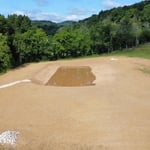
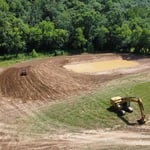
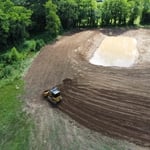
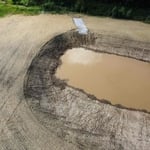
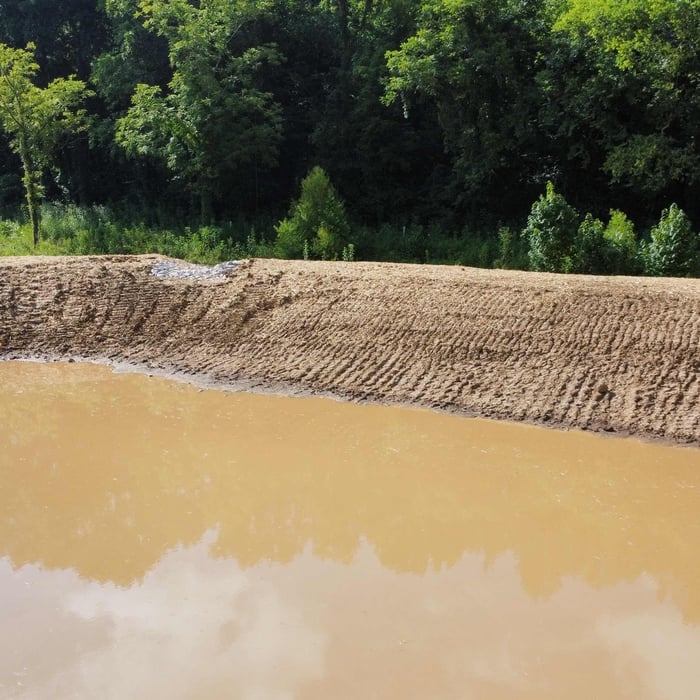
Liberty pond build
Liberty pond build
Liberty pond build
Liberty pond build
Liberty pond build

+21

Response time10 hrs
Response rate100%
1 neighbors recently requested a quote

Avatar for McCall Farms Excavation
McCall Farms Excavation
5.0(
4
)
Excavation - Major Grading or ReslopingBuilding Site - Preparation and Clearing

Serving Algood, TN and surrounding areas

Approved

In business since 1995

Free estimates

Credit card accepted

"Great team to work with! I’m a general contractor and they are the only people I’ll use on my projects. I can trust them to get the job done right the first time whether it’s grading, digging utilities, land clearing, or installing septic tanks, etc"
Photo
Photo
Photo
Photo
3 neighbors recently requested a quote
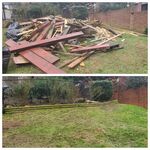
Paul C. Winchester Construction
3.8(
7
)
Landscape - Minor Grading or Resloping

Serving Algood, TN and surrounding areas

Approved

In business since 1987

Free estimates

Customers say: Quick response

"Paul and crew were fantastic. He came out several times to quote the work and to rework the quote to better fit in our budget. We had an existing deck extended and a ramp added, a new garage stairway built and a new deck built for our front entry. Our big focus for this project was improving access from the house to the outdoors for both my handicap husband and our aging arthritic dogs. He’s a busy guy (because he is good) therefore we had to wait awhile for the project to begin but it was worth the wait. They showed up on time every day until the project was completed. He asked for design clarification when necessary and changed coarse without complaint when changes needed to be made. Honest, trustworthy and talented. The quality of his (and crews) work was top notch. Paul takes pride in the quality of the materials used and his workmanship which shows in the end result. The deck in the front is a beautiful extension of our home that not only “classed up” the entry but extended our livable space in this home. Both my husband and I have many decades of home improvement under our belt and can say with confidence that Paul is a fantastic resource for any project you maybe considering. Very pleased."
Response time2 days
13 neighbors recently requested a quote
Recommended by100%of homeowners
...
Showing 1-10 of 95
Excavating questions, answered by experts

A trench that is less than 5 feet deep often doesn't require a protective system. Most residential trenches will not go this deep (the typical residential drainage trench is just 18 inches deep). In the event that an excavator needs to dig more than 5 feet beneath the surface, a protective system is required unless the excavation is in entirely stable rock.

Sewer lines can be buried anywhere from 18 inches to 8 feet deep, with a common average depth between 18 and 30 inches. The exact depth depends on local factors like climate and soil type. In colder regions, pipes must be buried deeper (below the frost line) to prevent freezing, sometimes as deep as 8 feet. The digging depth can also impact the cost of sewer line replacement. To find the specific depth for your property, you can check the building plans for your system, which should be on file with your city or local sanitation department since permits are required for installation.

Concrete blocks are the cheapest way to base a shed. However, the space in between allows critters to go under, burrow, and even damage your shed’s frame. For a more pest-proof option, consider building a shed base with gravel or paver stones. Both options are fairly affordable and easy enough for a DIY project. For gravel, you can build a wooden frame to contain the loose material.

There is no standard depth for burying a septic tank; they are typically buried anywhere from 4 inches to 4 feet underground. The final depth depends on several factors, including the depth of your main sewer line, the height of the bedrock, soil type, local regulations, and the property's landscape. If you plan to grow grass or plants over the tank, a depth of at least 4 to 6 inches is recommended. Deeper tanks can be more difficult to locate, but a septic professional can help find it for you.

If you’re planning to dig on your property, you’ll need to check for underground utility lines. Call the national call-before-you-dig 811 number. Once connected to an operator, you can schedule a site visit to mark underground lines. This way, you won’t accidentally dig into pipes and can cause major (read: costly) issues.

The Algood, TN homeowners’ guide to excavation services

From average costs to expert advice, get all the answers you need to get your job done.