





Top-rated excavation pros.

Get matched with top excavation pros in Byrdstown, TN

Enter your zip and get matched with up to 5 pros

Need a pro for your excavation project in Byrdstown, TN?

Select your specific project to find the pro for you.

Find Excavation pros in Byrdstown

Avatar for Thickett-B-Gone
Thickett-B-Gone
5.0(
10
)
Building Site - Preparation and Clearing

Serving Byrdstown, TN and surrounding areas

Approved

In business since 2023

Free estimates

Credit card accepted

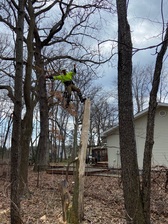
"Ron and his team did a very good job removing the trees, and they even cleaned our gutters out for us- no extra charge! I would DEFINITELY recommend these pros. 5 stars!"
Response time4 hrs
Response rate96%
12 neighbors recently requested a quote
LL Trucking and Excavation
5.0(
13
)
Building Site - Preparation and ClearingBuilding Site - Preparation and Clearing - For BusinessExcavation - Major Grading or Resloping+2 more

Serving Byrdstown, TN and surrounding areas

In business since 2022

Free estimates

Offers commercial services

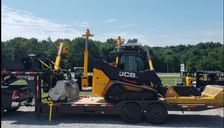
"My husband and I had some grading and excavating work done. Derrick and his men were very knowledgeable and professional. Did an amazing job in record time. We actually have a yard now thatâ s ready for grass seed! Thank you all for everything. Would recommend 100%"
Response time3 days
Response rate93%
Recommended by100%of homeowners
Showing 1-10 of 36
Excavating questions, answered by experts

There is no standard depth for burying a septic tank; they are typically buried anywhere from 4 inches to 4 feet underground. The final depth depends on several factors, including the depth of your main sewer line, the height of the bedrock, soil type, local regulations, and the property's landscape. If you plan to grow grass or plants over the tank, a depth of at least 4 to 6 inches is recommended. Deeper tanks can be more difficult to locate, but a septic professional can help find it for you.

A joint utility trench, or joint trench, is a long, buried ditch on a property that contains two or more utility lines rather than running the lines in multiple trenches. Some utilities, like gas and electric or electric and communication lines, are better suited to joint trenching, while others, like water and sewer, are not allowed to be in the same trench.

Hard soil could be a sign of overly dry dirt, either from poor drainage or drought. It's important to test the nutrient levels, density, and drainage capacity of your soil to see if it's absorbing water properly. Begin by adding a light layer of water and observing how long the soil retains moisture. If you experience a good deal of runoff, you may need to aerate your lawn, apply a wetting agent, or hire a professional for a closer look.

The digging depth will depend on the size of the trencher you use. Even smaller units can dig up to 4 feet deep, which is plenty for a DIY job. However, much larger trenchers can reach a depth of 18 feet and are better used by a team of pro contractors, not a single DIYer. As with all home improvement projects, use the right tool for the job and proceed with caution.

Yes, chipmunk holes may have two or more entrances. Chipmunks can create an entire network of burrows. Having multiple entrances makes it easier for them when trying to escape from a predator, such as a snake, or if an entrance collapses due to flooding. Each entrance leads to the nesting chamber underground, which is where the chipmunk spends the majority of its time sleeping.

The Byrdstown, TN homeowners’ guide to excavation services

From average costs to expert advice, get all the answers you need to get your job done.