


Top-rated excavation pros.

Best excavation pros near Carthage, TN

Enter your zip and get matched with up to 5 pros

Need a pro for your excavation project in Carthage, TN?

Select your specific project to find the pro for you.

TRUSTED BY CARTHAGE, TN HOMEOWNERS

  • Average homeowner rating star icon4.6
    Average homeowner rating
  • Verified reviews icon14
    Verified excavation services reviews

Top-Rated Excavation pros in Carthage - Updated Nov 2026

Avatar for Rocky Point Excavation, LLC
Rocky Point Excavation, LLC
5.0(
22
)
Building Site - Preparation and ClearingExcavation - Major Grading or ReslopingLandscape - Minor Grading or Resloping

Serving Carthage, TN and surrounding areas

Approved

In business since 1995

Free estimates

Credit card accepted

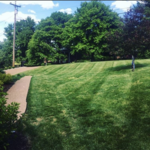
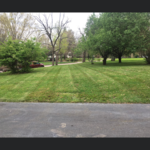
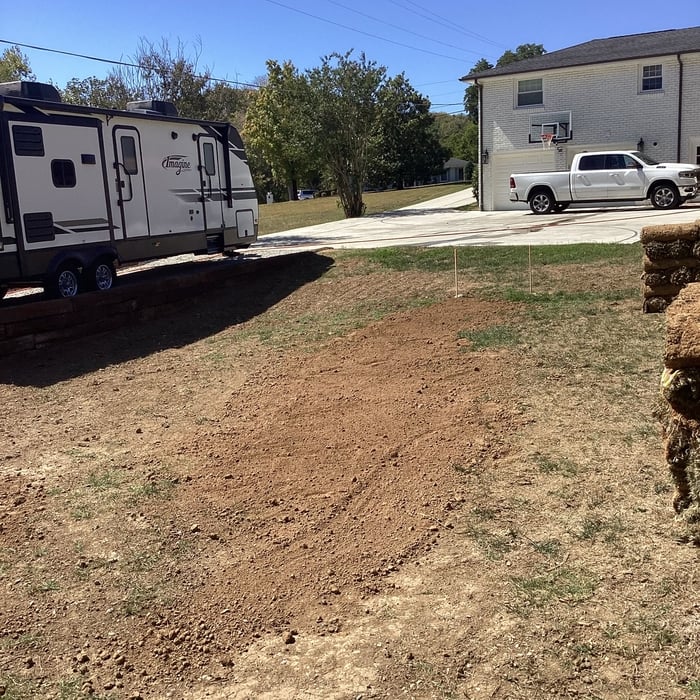
"I had a significant erosion problem on a sloped portion of my yard. Putnam Greenspace provided a quote that included the cost of all materials, so I knew what I would be paying. The topsoil was delivered, graded, raked, and seeded. Erosion control netting was laid down and all was done on time. I wouldn't hesitate to recommend Putnam Greenspace to anyone. As an addition to this project, Putnam Greenspace also cleared out an old burn pile in my back yard that included concrete blocks and fence wire. This was not a job that I could easily have accomplished - if at all - by hand. The site was left cleared and leveled and ready to go."
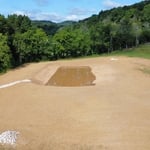
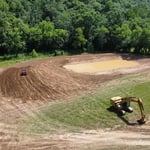
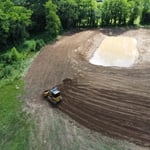
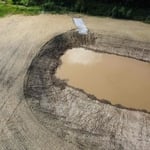
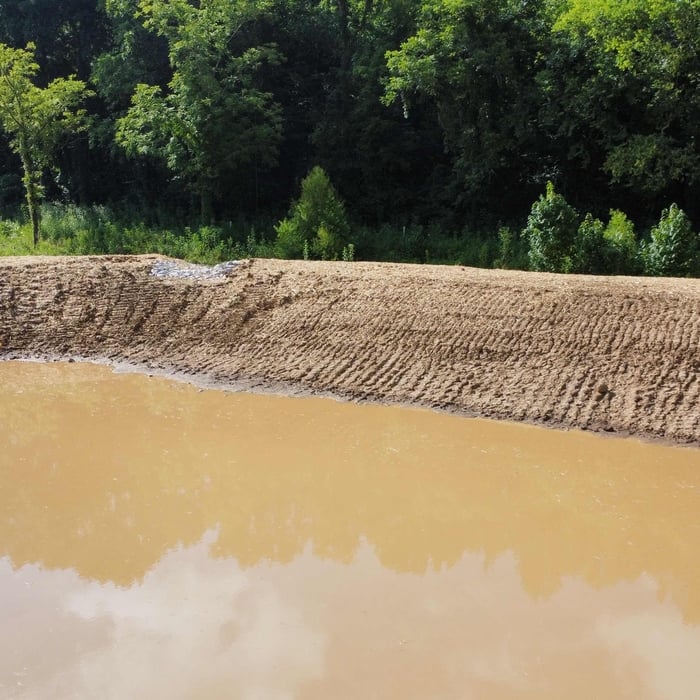
Liberty pond build
Liberty pond build
Liberty pond build
Liberty pond build
Liberty pond build

+21

Response time10 hrs
Response rate100%
2 neighbors recently requested a quote

Hayes Construction & Machinery LLC
New to Angi
Landscape - Minor Grading or Resloping

Serving Carthage, TN and surrounding areas

Approved

In business since 2008

Offers commercial services

We at Hayes Construction & Machinery in Lebanon, TN deliver dependable construction services and machinery solutions for local projects and surrounding areas. Our team brings hands-on experience, reliable equipment, and a commitment to quality workmanship. We work closely with customers to keep jobs moving efficiently from start to finish.

2 neighbors recently requested a quote
...
Showing 1-10 of 110
Excavating FAQs, answered by experts

Professional installers often include a deep layer of crushed gravel under permeable pavers to allow more runoff to soak through into the soil below. Many installations will include multiple layers of gravel, with coarser aggregate at the base and finer aggregate that sits on top of that bottom layer. Above the gravel, you’ll often find coarse sand that helps reduce paver shifting over time. Some permeable paver designs include a water collection system set into the gravel layer to route runoff to a safe area for disposal.

In the United States, a depth of 36 inches (three feet) for underground water lines is the accepted industry standard. This depth varies from location to location based on local conditions. In areas with colder winters, they may be buried deeper to prevent frozen well water pipes : This is usually at least six inches below the frost level. The International Plumbing Code calls for a minimum of 12 inches below grade.

Most residential basements are 8 to 10 feet deep. You can dig deeper depending on building codes, but it does become more difficult. You’ll likely need to install stronger foundation walls and additional supports to handle the increased load. Depending on the water table, you may also need a water management system. Clay soil can support a deeper foundation than sandy soil. A structural engineer will be able to tell you the maximum, feasible depth.

In most areas, you will need a permit for excavation work, even for projects that only involve grading or yard leveling. Permit requirements depend on your local government and the scope of the project, but they are especially common for significant digging or work that could affect utilities or public property. These permits help protect the local topography and prevent drainage issues. An experienced excavation company will typically know whether permits are needed and can often handle the process of pulling and closing them for you. You can also verify permit requirements by contacting your local building department and describing your project.

The physical constraints of hand-drilling a well limit the depth you can achieve. Manually digging with picks and shovels may only lead to shallow wells of up to 60 feet in depth. To reach greater depths, you need more specialized equipment. The diameter of your well and the tools you’re using will determine how far down you can dig.

The Carthage, TN homeowners’ guide to excavation services

From average costs to expert advice, get all the answers you need to get your job done.