



Top-rated stucco pros.

Get matched with top stucco pros in Warner, SD

Enter your zip and get matched with up to 5 pros

Need a pro for your stucco service project in Warner, SD?

Select your specific project to find the pro for you.

Find Stucco pros in Warner

Stucco questions, answered by experts

Homeowners insurance may cover the cost of siding repair or replacement, but coverage depends on the cause of the damage. Most policies will cover damage from a covered event, such as a storm, wind, hail, fire, natural disaster, or other impact damage. Your policy might pay for the full or partial cost of the repair or replacement. However, damage resulting from age, general wear and tear, or neglect is typically not covered, and you should expect to pay for those repairs out of pocket. It is best to review your specific homeowners insurance policy for full details on what is covered, how to file a claim, and what documentation is required.

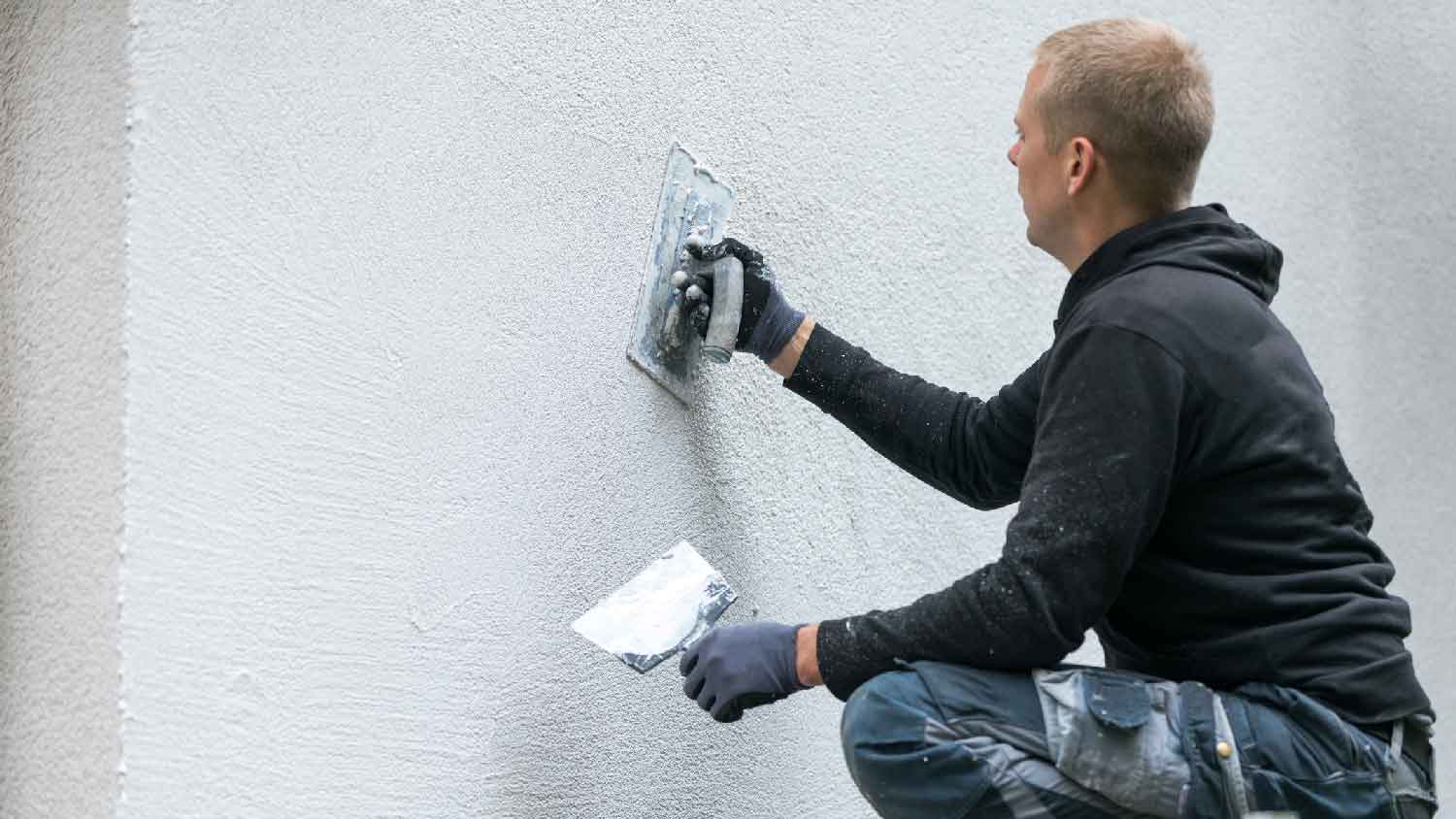
Yes, you can apply the stucco yourself, but it is a time- and labor-intensive project, especially on the exterior of a whole house. DIY stucco is better suited for repairing stucco siding or siding a smaller building, such as a shed or garage. Since most of the cost of stucco siding goes to labor, you can cut down significantly on the total if you’re up for the challenge.

Quikrete will set without mixing. The process of pouring dry concrete into your concrete form and then adding water is called dry pouring. While this method makes pouring concrete simpler and easier, it reduces its strength and durability. It can be a viable option for small, decorative concrete pavers for walkways or for setting fence posts, but it’s not ideal for pouring slabs that will bear any significant amount of weight.

You should aim to let stucco dry for at least 48 hours before it rains. While misting new stucco and keeping it moderately moist is important for strength and longevity, uncontrolled exposure to rain can lead to weak stucco that doesn’t bond properly. Rain can also affect the stucco finish and the color unevenly, leaving you with less appealing siding.

A standard drill will work just fine if you’re drilling small holes, and only a few of them. But anything with a diameter larger than 3/8 inch is best done with a hammer drill, since it is stronger, faster, and also makes your drill bits last longer. While you don’t absolutely need a hammer drill for stucco, it is a worthy investment if you think you might drill more holes down the road.

The Warner, SD homeowners’ guide to stucco services

From average costs to expert advice, get all the answers you need to get your job done.