Top-rated mold testing and remediation specialists.

Best mold testing and remediation specialists near Warner, SD

Enter your zip and get matched with up to 5 pros

Need a pro for your mold testing and remediation project in Warner, SD?

Select your specific project to find the pro for you.

Top-Rated Mold testing and remediation specialists in Warner - Updated Nov 2026

Empire Home Inspections, LLC
New to Angi
Indoor Air Quality TestingMold & Toxic Material Test

Serving Warner, SD and surrounding areas

In business since 2022

Free estimates

Credit card accepted

We pride our company on reliability, great communication, integrity, and quality work. We are experts in our trade and will do our best to keep you as educated as we can on your particular task or project. We look forward to earning your business! Book with us online or feel free to give us a call today! \n \n

Mold Testing and Remediation FAQs, answered by experts

Soaking memory foam can break down its structure over time or even encourage mold growth. However, brief encounters with moisture will not ruin your memory foam. As long as the mattress, topper, or cushion dries soon after getting wet, there's nothing to worry about. Just be sure to keep the affected item in an area with plenty of air and sun to encourage quick drying.

Certainly, DIY mold tests are not perfect when trying to determine whether you have a mold problem. They could give you a false positive reading, or they may fail to detect mold that’s behind a wall, especially if the infestation is still small. Ultimately, you should seek a mold inspection if the DIY test gives you a positive result, just to be certain. And if the test is inconclusive, it’s probably worth seeking an inspection from a pro.

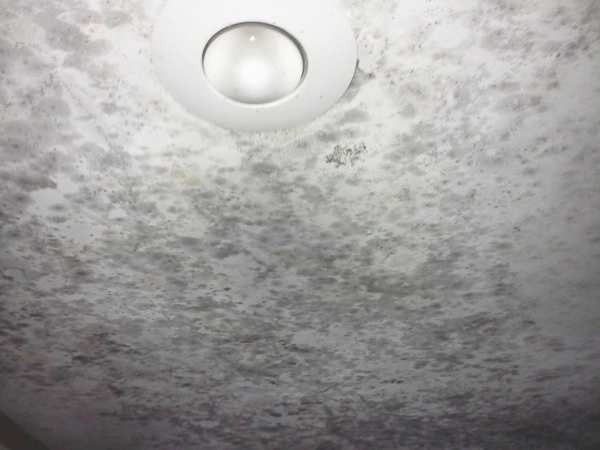
There are two types of mold symptoms in the home: visible mold and unexplained health issues. If you have allergies out-of-season, brain fog with no other obvious cause, constant congestion, and other such symptoms, you may have a mold problem. Oftentimes you can smell mold in your home, even if you can’t see it. 

Mold is very likely if you do not take action to fully dry your home within around 24 to 48 hours after water damage occurs. This can happen even faster in warm, dark locations with extensive water damage. In areas of the home that receive ample sunlight and only have slight moisture issues, it can take weeks for mold to appear.

According to the Environmental Protection Agency (EPA), hazardous waste is generally classified into four main categories:

1. Characteristic Wastes: These exhibit at least one of four hazardous traits: ignitability (flammable, like gasoline), corrosivity (can rust or decompose materials, like car batteries), reactivity (unstable and can explode, like aerosol cans), or toxicity (harmful when ingested, like lead-based paint).

2. Listed Wastes: These are specific wastes from manufacturing and industrial processes that the EPA has officially designated as hazardous. They include byproducts from processes that use solvents, pesticides, and other chemicals.

3. Universal Wastes: These are commonly generated hazardous items that are subject to streamlined regulations. Examples include batteries, pesticides, mercury-containing equipment (e.g., bulbs), and some lamps.

4. Mixed Wastes: This category includes waste that contains both hazardous and radioactive components, making it subject to regulation by both the EPA and the Nuclear Regulatory Commission.


The Warner, SD homeowners’ guide to mold testing and remediation services

From average costs to expert advice, get all the answers you need to get your job done.