





Top-rated landscapers.

Get matched with top landscapers in Redfield, SD

Enter your zip and get matched with up to 5 pros

Need a pro for your landscaping project in Redfield, SD?

Select your specific project to find the pro for you.

Find Landscapers in Redfield

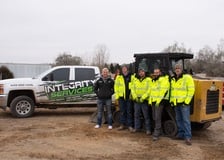
Avatar for Integrity Services
Integrity Services
3.7(
14
)

Serving Redfield, SD and surrounding areas

In business since 2016

Free estimates

Small jobs welcome

"They did a very good professional job. I was very satisfied with them. They showed up when they said they would and completed the job to my satisfaction."
Response time11 hrs
Recommended by88%of homeowners

VanDerVliet Excavating LLC
5.0(
1
)

Serving Redfield, SD and surrounding areas

In business since 2023

Offers commercial services

\nVanDerVliet Excavating LLC is committed to excellence in every aspect of our business. We uphold a standard of integrity bound by fairness, honesty, and personal responsibility. Our distinction is the quality of service we bring to our customers. Accurate knowledge of our trade combined with ability is what makes us true professionals. Above all, we are watchful of our customers' interests, and make their concerns the basis of our business.

Recommended by100%of homeowners
Showing 1-10 of 33
Landscaping questions, answered by experts

When planting, it's best to leave several feet between a house and a juniper bush. Many juniper varieties will become quite bushy and require space to grow. Juniper branches that come into contact with siding can damage the home's exterior over time. Also, some juniper bushes have aggressive roots that can put pressure on a home's foundation or basement walls. 

There are two main times of year to apply mulch: mid to late spring and late fall. Spreading mulch in mid to late spring helps protect new seedlings as the soil warms up. It's best to wait until temperatures are steady, as mulching too early in the spring can slow down the soil's warming process and hinder plant growth. Fall mulching is also beneficial, as it insulates the soil and helps regulate its temperature when the first frosts arrive.

Yes, you can absolutely transplant bushes instead of removing them completely. The success depends on the size of the bushes, their age, and the transplanting season. Ideally, transplant during the dormant season (late fall or winter). Dig out the entire root system in one piece, fill the new hole with fresh soil and mulch, and water thoroughly after planting.

Unless it only rains once in a blue moon where you live, you’re going to want water-loving plants in your garden bed or pot. A few ideas for plants that aren’t super fast-growing (meaning they’re good in pots or near foundations) and can handle a lot of standing water include: 

  • Acorus (Sweet flag)

  • Colocasia esculenta (Taro or elephant ear): In many climates, these are annuals, making them less desirable because you need to adjust the chain again after each replant.

  • Equisetum scirpoides (Dwarf horsetail rush): non-dwarf varieties of horsetail are fast growers and can take over quickly.

  • Juncus effusus (Curly rush)

  • Osmunda regalis (Royal fern): Royal fern can grow quickly but can also handle being crowded, making them good container plants.

The best size rock for your landscaping depends on the design, as different boulders serve different purposes. If you want to group boulders to create a natural-looking cluster, you’ll need a range of sizes. Otherwise, here are some suggestions:

  • Small boulders (smaller than 12 inches across): Best for landscape edging and fire pits 

  • Medium boulders (12–24 inches): Best for retaining walls and water features

  • Large boulders (more than 24 inches): Best as standalone landscaping features, steps, or walkways.

Of course, you can mix and match sizes to create a unique display.

The Redfield, SD homeowners’ guide to landscaping services

From average costs to expert advice, get all the answers you need to get your job done.