"AHS is ok. They cover repairs of most everything under the roof of your house. The companies that contract with them are not always the best. You call AHS with the issue, they send a fax to the repair company and give you the contact info. If they don't contact you within 24 hours, you call them. Sometimes they answer, sometimes they don't. When they arrive (usually three days or so later), they service the item. if it has issues within the 90 days, you call AHS again, they are sent out with no charge. If the serviceman decides the unit is unrepairable, AHS will allow you to choose a replacement from their listing (usually not as good as what you have) they will install and remove your old item, or give you wholesale amount to buy and install your own. Prices vary on what you want covered and what you want the copay to be, plus where you live. For me it is 49.99 per month with a 75.00 time of service order. You can have more than one item serviced at the same time under the same fee. If you have a SEAR product the repair guys are great. Not that wild about the other ones they send out. But it is a big savings compared to calling someone on your own. The cost of service is only the 75.00 copay."

We pride our company on reliability, great communication, integrity, and quality work. We are experts in our trade and will do our best to keep you as educated as we can on your particular task or project. We look forward to earning your business! Book with us online or feel free to give us a call today!\n\n
David Ferguson's construction business is dedicated to quality and outstanding customer service. Our job is to provide you with quality service at a great price. Please don't wait call us today.
Mold Testing and Remediation questions, answered by experts
While fiberglass dust is not generally considered toxic, inhaling the fibers can cause irritation to the respiratory system, eyes, and skin. Short-term exposure may lead to temporary discomfort, including coughing, throat irritation, and shortness of breath. However, prolonged or chronic exposure can result in more severe respiratory problems. Unlike asbestos, fiberglass is not associated with life-threatening illnesses. To minimize health risks when working with fiberglass materials, it is essential to use proper safety measures, such as wearing protective equipment like masks and goggles.
While a professional can always help, there are some common plumbing culprits you can check yourself to see if you can find the sewer gas smell. For example, you should check your water traps, sometimes called P-traps and S-traps, which are located under sink, shower, and laundry drains. The wax ring beneath the base of your toilet, which creates a watertight seal with the plumbing, could also have gone bad.
Mold grows in areas with humidity levels above 60%, but ideal conditions for mold growth occur when humidity is between 70% and 90%, especially in poorly ventilated areas. To prevent mold growth, aim to maintain indoor humidity levels between 30% and 50% using dehumidifiers, proper ventilation, and temperature control. Regularly check your home's humidity with a hygrometer to help you monitor and avoid conditions conducive to mold.
Most of the health problems associated with exposure to fiberglass insulation are short-term in nature. You may suffer from minor and temporary skin or eye irritation if you come into contact with it, and you may experience some sneezing, coughing, or breathing issues if you inhale fiberglass. Those with asthma and allergies may suffer more and longer. Though fiberglass was once a suspected carcinogen, there’s now no good evidence that exposure to fiberglass can cause lung cancer.
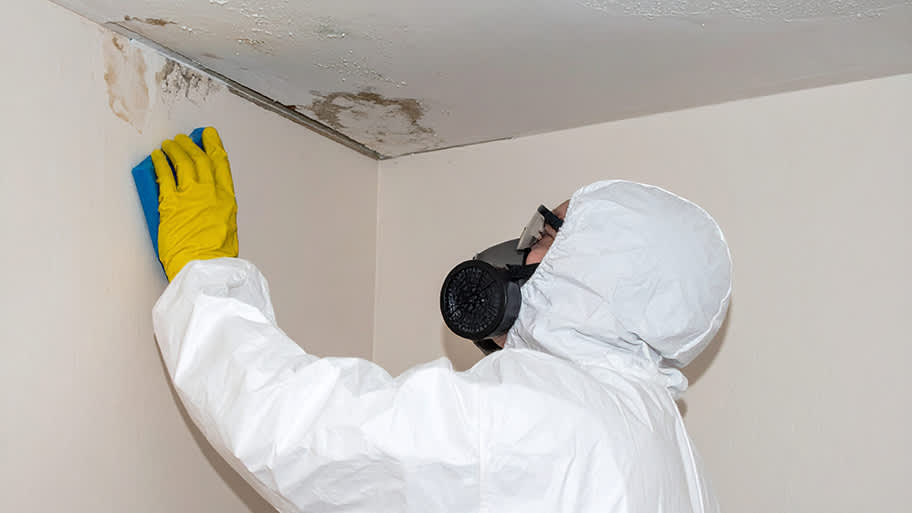
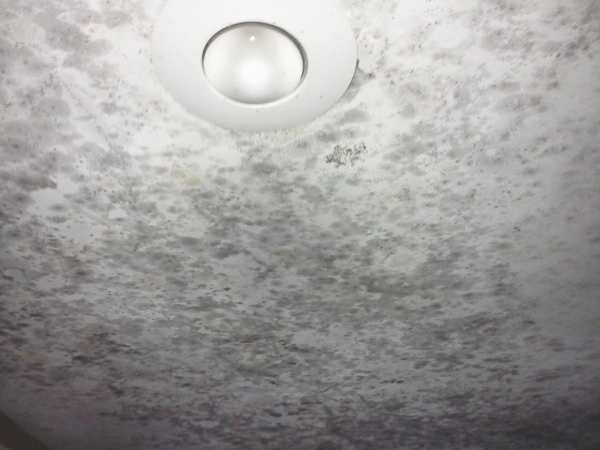
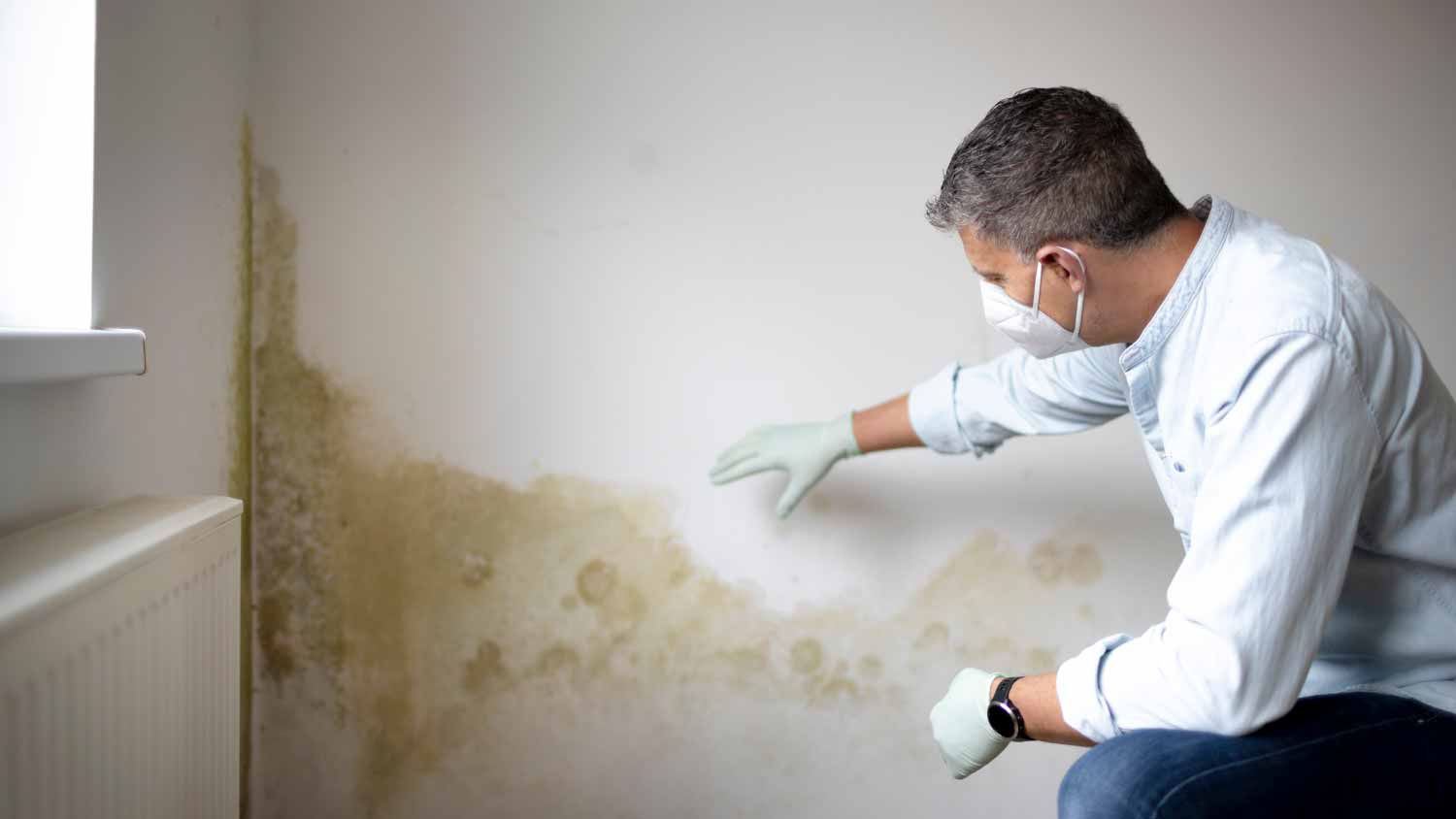
Signs of mold sickness often manifest as respiratory issues, including coughing, wheezing, shortness of breath, and sneezing. You might also experience symptoms that resemble allergies, such as itchy eyes and sinus infections. Other telltale signs include skin irritations, persistent and unexplainable headaches, and mental confusion, often described as 'brain fog.' It's important to remember that mold can cause health problems even if it's not visible, as it can grow inside walls. If you are experiencing these unexplained symptoms, you may want to consider a professional mold inspection.
The Kyle, SD homeowners’ guide to mold testing and remediation services
From average costs to expert advice, get all the answers you need to get your job done.
The cost of a mold inspection might seem high, but it’s one of the best investments you can make for your health and home. Read on to learn cost-saving tips.
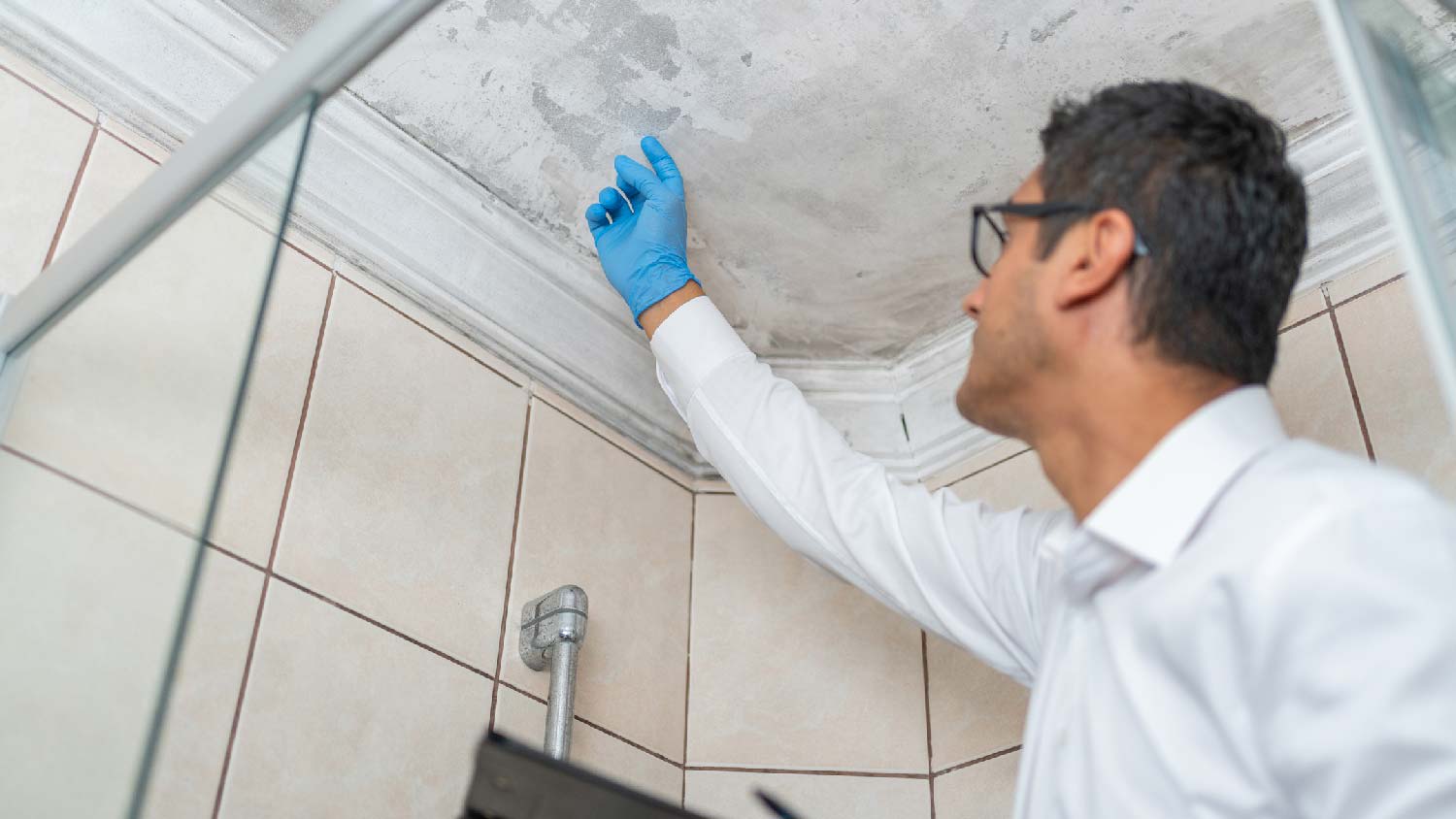
Figuring out how to test for mold in your home is important. Mold testing can offer peace of mind and lets you know if it’s time to call a pro. Learn about mold testing processes in this guide.
There's an excellent reason why you should avoid going with the same company for mold testing and mold remediation. Learn why different companies should handle these tasks.
When is mold remediation required at your home? We can help you decide whether the musty odor or the patch of mold you’re experiencing requires a pro’s help.