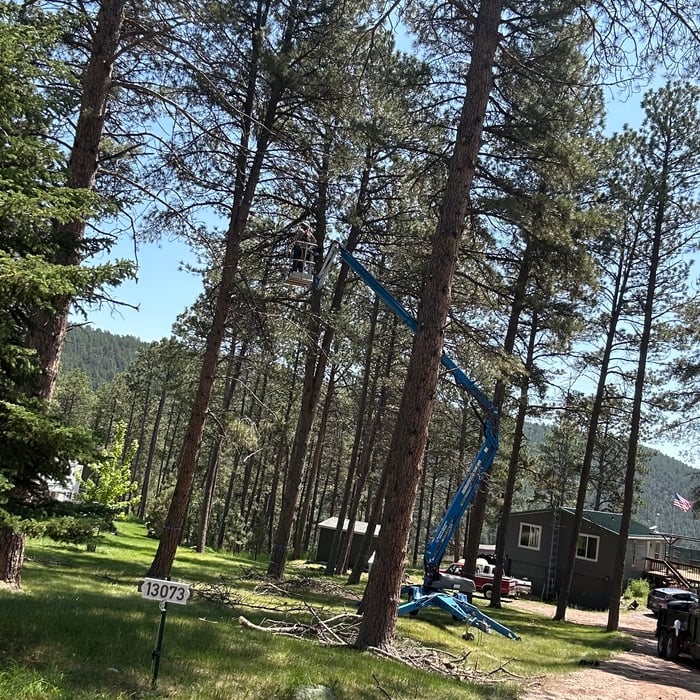
"Alex at Creekside Tree Care will make sure your project is taken care of in an efficient and professional manner no questions asked. He's got integrity and is as hard working as they come. No job too big or too small he will get it done and leave you happy with the results!"
A&R tree service is committed to excellence in every aspect of our business. We uphold a standard of integrity bound by fairness, honesty, and personal responsibility. Our distinction is the quality of service we bring to our customers. Accurate knowledge of our trade combined with ability is what makes us true professionals. Above all, we are watchful of our customers' interests, and make their concerns the basis of our business.
At Oak Leaf Construction & Handyman Services, we are a locally owned and operated company. We value honesty and integrity in all aspects of our business. We offer a variety of recovery services that are customizable to each individual project. We pride ourselves on the quality of our work as well as our commitment to outstanding results. We look forward to building lasting relationships with our clients and guarantee your satisfaction!
At Pitbull Services we pride ourselves on being the best plumbing and contracting company in the area.\n\nWe've built an excellent reputation for customer satisfaction by providing quick estimates, a great attention to detail, and competitive pricing.\n\nBeing a screened and approved professional gives you the peace of mind you need to allow us to give your home the attention it deserves. Call us today and let's get started!
With years of experience in the industry, we are the experts you need to take care of your home or business. We handle all of your lawn care and landscaping needs with great care. We will treat your home as we would treat our own. Give A&L Landscaping a call today, we look forward to working with you!
David Ferguson's construction business is dedicated to quality and outstanding customer service. Our job is to provide you with quality service at a great price. Please don't wait call us today.
The best time to prune Japanese flowering cherry trees depends on where you live and the type of flowering cherry tree. Some trees benefit from being pruned toward the end of winter or early spring, after the last freeze. Meanwhile, other trees do well after blooming, in late spring or early summer. Avoid pruning your flowering cherry tree in the early winter, as this encourages open wounds that can lead to infections or infestations.
While the trees in your backyard are good for the environment and look beautiful, they could present a danger to your home under the wrong circumstances. This task is typically beyond the capabilities of the average homeowner due to its dangerous nature, so it’s best to leave this task to a professional. In some cities, it’s even illegal to remove a tree yourself.
Generally, no, tree topping isn’t a good technique, and you should avoid using it in most cases. Tree topping may be the only good option to save a tree following severe damage after a storm, but in most other cases, it’s not the right choice. Tree topping can leave trees vulnerable to disease and further damage, and most pros will suggest against it.
Permits are often required for large tree removals, especially in urban areas or for protected species, ensuring regulation compliance and neighbor safety.
The best plan of action for an unhealthy or unsafe tree will depend on its condition. An arborist can recommend whether trimming or removal is the right call for your tree. Preventive tree trimming can keep trees safe and healthy, so make regular tree trimming a part of your yard maintenance plan.
The Howes, SD homeowners’ guide to tree services
From average costs to expert advice, get all the answers you need to get your job done.
Tree inspections can ensure your trees stay healthy and safe, preventing costly damage. Learn how much tree inspections cost and what can affect the price.
How much does an arborist cost? This guide explains the cost of different services, ongoing expenses, and other factors to consider when hiring an arborist.
Follow these tips to learn how to find a good tree removal service. Doing a little research can help you save time and money when you need to say goodbye to your trees.
You suspect that the leaning oak tree in the back needs to come down, but can you just handle it yourself? Here are the pros and cons of calling a tree service.