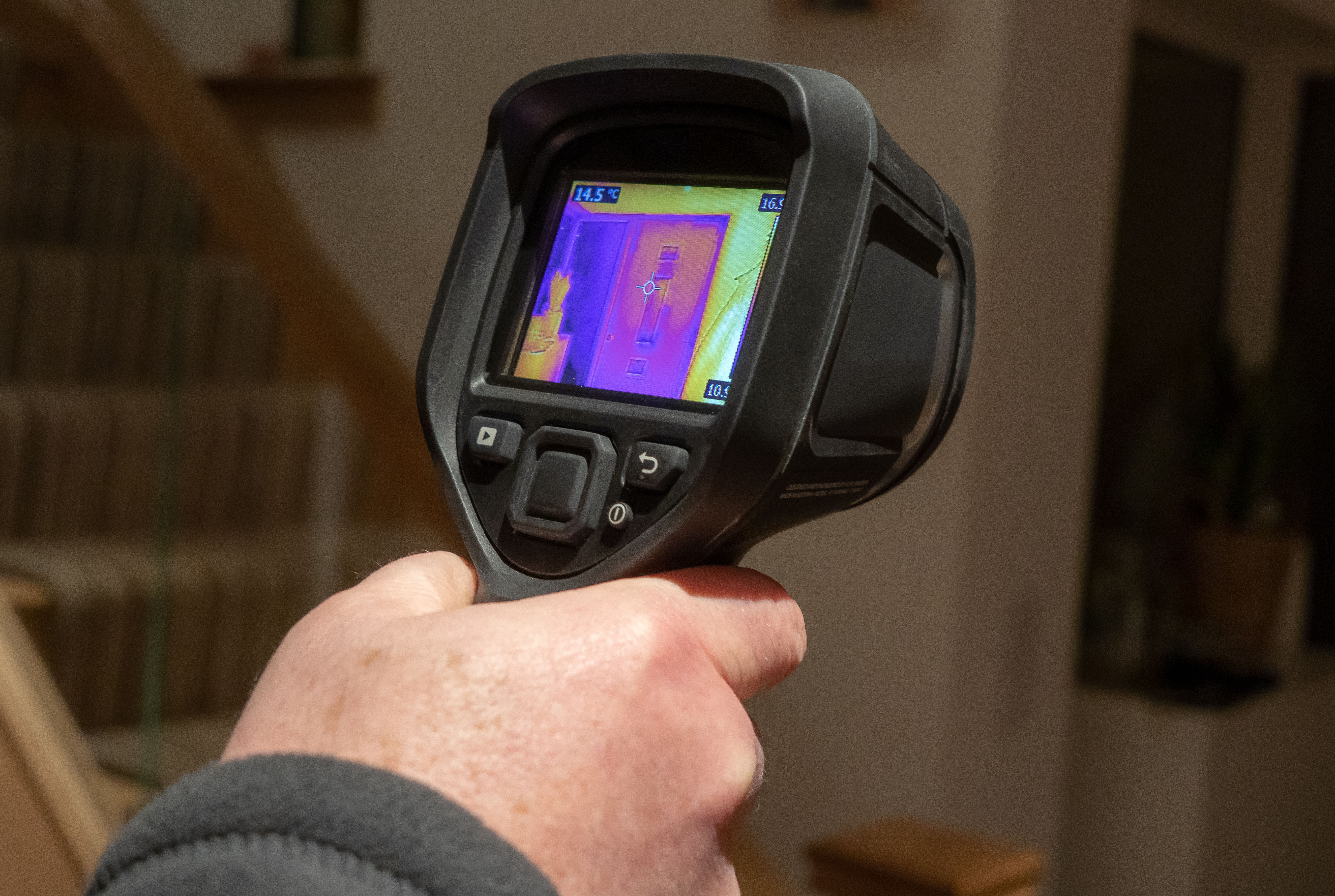










Top-rated energy efficiency auditors.

Get matched with top energy efficiency auditors in Box Elder, SD

Enter your zip and get matched with up to 5 pros

Need a pro for your energy efficiency auditing project in Box Elder, SD?

Select your specific project to find the pro for you.

Find Energy efficiency auditors in Box Elder

Healy Home Services LLC
5.0(
1
)
Energy Audit - For BusinessHome Energy Audit

Serving Box Elder, SD and surrounding areas

In business since 2022

Free estimates

Credit card accepted

"Micah is an excellent on task contractor, always on time and productive. He's very quick at resolving any possible material or project changes. We've found Micah to be very reliable, trustworthy and honest to work with. He's been a real pleasure in a time when you're lucky to even get a phone call back from a contractor. Would most certainly hire him again!"
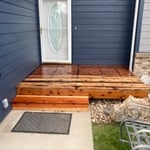
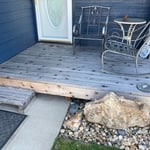
Finished Deck
Pre-sealent
Response time30 mins
Response rate100%
Recommended by100%of homeowners
Energy Efficiency Auditing questions, answered by experts

Costs depend on pipe length, accessibility, and whether additional services are required.

There are several signs that your house might have poor ventilation, including lingering odors, condensation on your windows, or mold and mildew. Your home may also feel stale and stuffy, or you might have trouble maintaining a comfortable temperature in your home. On top of that, you might develop allergy symptoms, such as sneezing, coughing, or headaches.

Attic and whole-house fans improve a home's energy efficiency and comfort. They ventilate hot air from the attic, which reduces peak cooling loads, lowers reliance on air conditioning, and decreases indoor temperatures. This improved air circulation and expedited heat exit helps lower cooling costs, balance moisture levels, and enhance overall natural airflow, contributing to the efficient operation of other home equipment.

If you have central air conditioning, it’s fine to run your AC all day if that’s what you want—as long as the AC unit is in good condition. But if your AC runs constantly when you don’t want it to, there may be a problem with your system (like the ones we’ve mentioned above). Window AC units and wall air conditioners aren’t as powerful as central AC, so you should only run those kinds of air conditioners for eight to 12 hours at a time.

To determine the right size generator for your house, you should calculate the total wattage of the appliances and devices you want to power during an outage. List all essential items, note their start-up wattages, and add them together.

Here are some typical wattage requirements for common appliances:

  • Refrigerator: 600 watts

  • Large dehumidifier: 700 watts

  • Large window air conditioner: 1,400 watts

  • Water heater: 3,000 to 4,500 watts

  • Electric furnace: 5,000 to 25,000 watts

A 7,500-watt generator might be sufficient for essentials like a refrigerator, freezer, well pump, and lighting circuits. However, for high-demand items like a water heater or furnace, a whole-home generator is a better choice. A portable generator may be enough if you only need to power a few critical items.

While home square footage can offer a rough estimate, it is not always a reliable indicator. For reference, here are some typical generator sizes based on square footage:

  • 1,000 sq ft: 6–9 kW

  • 1,500 sq ft: 7–10 kW

  • 2,000 sq ft: 10–14 kW

  • 2,500 sq ft: 12–16 kW

  • 3,000 sq ft: 16–20 kW+

For the most accurate sizing, consult a professional who can calculate your home's peak and average power consumption and recommend the optimal generator.

The Box Elder, SD homeowners’ guide to energy efficiency auditing services

From average costs to expert advice, get all the answers you need to get your job done.