






Top-rated energy efficiency auditors.

Get matched with top energy efficiency auditors in Nemo, SD

Enter your zip and get matched with up to 5 pros

Need a pro for your energy efficiency auditing project in Nemo, SD?

Select your specific project to find the pro for you.

Find Energy efficiency auditors in Nemo

Healy Home Services LLC
5.0(
1
)
Energy Audit - For BusinessHome Energy Audit

Serving Nemo, SD and surrounding areas

In business since 2022

Free estimates

Credit card accepted

"Micah is an excellent on task contractor, always on time and productive. He's very quick at resolving any possible material or project changes. We've found Micah to be very reliable, trustworthy and honest to work with. He's been a real pleasure in a time when you're lucky to even get a phone call back from a contractor. Would most certainly hire him again!"
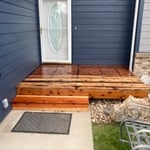
Finished Deck
Pre-sealent
Response time30 mins
Response rate100%
Recommended by100%of homeowners
Energy Efficiency Auditing questions, answered by experts

Motion-sensor lights use one watt while on standby and five watts while turned on. They’re usually on for one hour over a 24-hour period, bringing the total wattage to about 28 watts per day. LED lights use around 6.5 to 8 watts while on. If you leave an LED light on all night, with night ranging from 10 to 14 hours, you’re looking at using 65 to 112 watts a night. You can minimally cut your wattage in half by switching to a motion-sensor light.

A whole-house humidifier can positively impact energy consumption by improving heating efficiency. During colder months, humidified air feels warmer, which allows you to lower your thermostat without sacrificing comfort. This adjustment can lead to significant energy savings as your heating system works more efficiently. However, it's important to use the humidifier judiciously, as excessive humidity could potentially strain your cooling system in warmer months.

Typically, triple-pane windows made with krypton gas filling are the most energy efficient. A window’s frame, glass, design, and installation all affect its energy efficiency. These windows, in particular, are designed highly effectively in terms of their ability to insulate.

A good SEER rating for an HVAC system is typically between 15 and 20. However, minimum requirements vary by location; HVAC systems in northern states must have at least a 14 SEER rating, while those in southern states need a minimum of 15. For the highest possible efficiency, look for units with a SEER rating of 21 or higher. It's important to remember that a SEER rating represents the maximum efficiency a unit can achieve, not the level at which it will operate at all times.

R-value measures an insulation material's thermal resistance, indicating its ability to resist heat transfer. A higher R-value signifies better insulation performance because the material is more effective at slowing heat flow. The R-value depends on the type, thickness, and density of the insulation material, such as fiberglass, foam, or cellulose. Each inch of insulation typically provides an R-value between 3 and 8. There is no single universal R-value; the optimal choice depends on your climate zone. Colder climates require a much higher R-value than warmer ones to maintain energy efficiency, keep the home warm in winter and cool in summer, and manage costs.

The Nemo, SD homeowners’ guide to energy efficiency auditing services

From average costs to expert advice, get all the answers you need to get your job done.