








Top-rated energy efficiency auditors.

Get matched with top energy efficiency auditors in Keystone, SD

Enter your zip and get matched with up to 5 pros

Need a pro for your energy efficiency auditing project in Keystone, SD?

Select your specific project to find the pro for you.

Find Energy efficiency auditors in Keystone

Healy Home Services LLC
5.0(
1
)
Energy Audit - For BusinessHome Energy Audit

Serving Keystone, SD and surrounding areas

In business since 2022

Free estimates

Credit card accepted

"Micah is an excellent on task contractor, always on time and productive. He's very quick at resolving any possible material or project changes. We've found Micah to be very reliable, trustworthy and honest to work with. He's been a real pleasure in a time when you're lucky to even get a phone call back from a contractor. Would most certainly hire him again!"
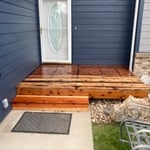
Finished Deck
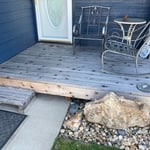
Pre-sealent
Response time30 mins
Response rate100%
Recommended by100%of homeowners
Energy Efficiency Auditing questions, answered by experts

A home energy audit costs about $420 on average, with prices ranging from $100 to $2,250 or more. The final cost depends on factors like your home's size, location, the thoroughness of the audit, and the specific tests performed. A basic Level 1 walk-through inspection typically costs between $150 and $200, while a comprehensive Level 3 audit with detailed testing and a report costs around $900. Homeowners may be able to use the 2022 Inflation Reduction Act’s Energy Efficient Home Improvement credit to cover up to $150 of the audit cost.

Costs for common individual tests include:

  • Blower door test: $350

  • Duct testing: $100

  • HERS test: $375

  • HERS certification: $200

  • Infrared imaging: $200

Energy output depends on turbine size, average wind speed at your site, and system efficiency. A 5 kW turbine in a good wind location can generate 8,000 to 12,000 kilowatt-hours per year, which may cover a large portion of an average home’s needs. Accurate output estimates require a professional wind assessment and a review of your household’s energy usage patterns.

You can check your home's humidity in a few ways. A simple option is to use a hygrometer, which you can find at a hardware or big box store. Your smartphone may also have an app that can measure humidity. Modern thermostats, particularly smart thermostats, are also able to measure humidity levels.

To determine the right size generator for your house, you should calculate the total wattage of the appliances and devices you want to power during an outage. List all essential items, note their start-up wattages, and add them together.

Here are some typical wattage requirements for common appliances:

  • Refrigerator: 600 watts

  • Large dehumidifier: 700 watts

  • Large window air conditioner: 1,400 watts

  • Water heater: 3,000 to 4,500 watts

  • Electric furnace: 5,000 to 25,000 watts

A 7,500-watt generator might be sufficient for essentials like a refrigerator, freezer, well pump, and lighting circuits. However, for high-demand items like a water heater or furnace, a whole-home generator is a better choice. A portable generator may be enough if you only need to power a few critical items.

While home square footage can offer a rough estimate, it is not always a reliable indicator. For reference, here are some typical generator sizes based on square footage:

  • 1,000 sq ft: 6–9 kW

  • 1,500 sq ft: 7–10 kW

  • 2,000 sq ft: 10–14 kW

  • 2,500 sq ft: 12–16 kW

  • 3,000 sq ft: 16–20 kW+

For the most accurate sizing, consult a professional who can calculate your home's peak and average power consumption and recommend the optimal generator.

The difference between an energy auditor and a home inspector is primarily in the purpose of the inspection. The energy auditor conducts tests in your home to determine the energy efficiency levels in areas like windows, insulation, and doorways. The auditor then makes recommendations for ways to improve a home’s energy efficiency

A home inspector examines various structures of your home to determine that everything is up to code and gauge the condition of features like the roof, foundation, HVAC, and electrical. The home inspector reports on the overall home and makes repair recommendations.

The Keystone, SD homeowners’ guide to energy efficiency auditing services

From average costs to expert advice, get all the answers you need to get your job done.