Yes, you can conduct your own leaf removal, but consider that keeping up with leaf removal is time-consuming and requires regular yard work throughout the fall. The process can take a few hours a week. Professionals have lawn equipment that can speed up the process and save you time. Additionally, consider how you’ll dispose of the leaves. If your sanitation company won’t pick them up—especially if you have many bags from a once-annual cleanup— you’ll have to drive the bags to the dump. It’s usually easier to leave the work and disposal to a professional leaf removal service.
Digging a bush up by the roots is the most natural DIY method for removing a bush stump. Start by identifying the shrub type and revealing its roots. Cut the shrub to its base and loosen the soil, ensuring no utility lines are nearby. Optionally, treat the base with herbicide, then dig around the roots and cut a circle around the shrub using various tools. Dig a trench, cut the base of the root ball, and finally fill the hole to prevent regrowth. This thorough process ensures complete removal without damaging surrounding areas.
Foxtail grasses grow annually, making their appearance in the first months of the year from January through April. They dry out by late spring, which is when they are the biggest threat to your pets. However, some of these pesky foxtail weeds are perennial and live for several seasons before dying out.
To remove old grass effectively, you typically need to dig to one to two inches. This depth typically allows you to reach the root system of the grass, ensuring thorough removal. However, if the grass is a particularly dense or deep-rooted variety (such as Bermuda grass), or if you're planning to replace it with a different landscaping feature, you may need to dig deeper to loosen the soil and remove any underlying roots.
There are several ways to decompose yard waste quickly. The first step is to move all debris into a compost bin or pile. From there, microorganisms, bacteria, and insects will break down the yard waste into compost. To speed things up, shred the waste into smaller pieces, add live worms to the pile, or introduce nitrogen-rich compost accelerators like grass clippings, coffee grounds, and manure. Turn the compost over every few days. This process, called aerating, allows oxygen to get in and accelerate decomposition.
The Armour, SD homeowners’ guide to brush chipping services
From average costs to expert advice, get all the answers you need to get your job done.
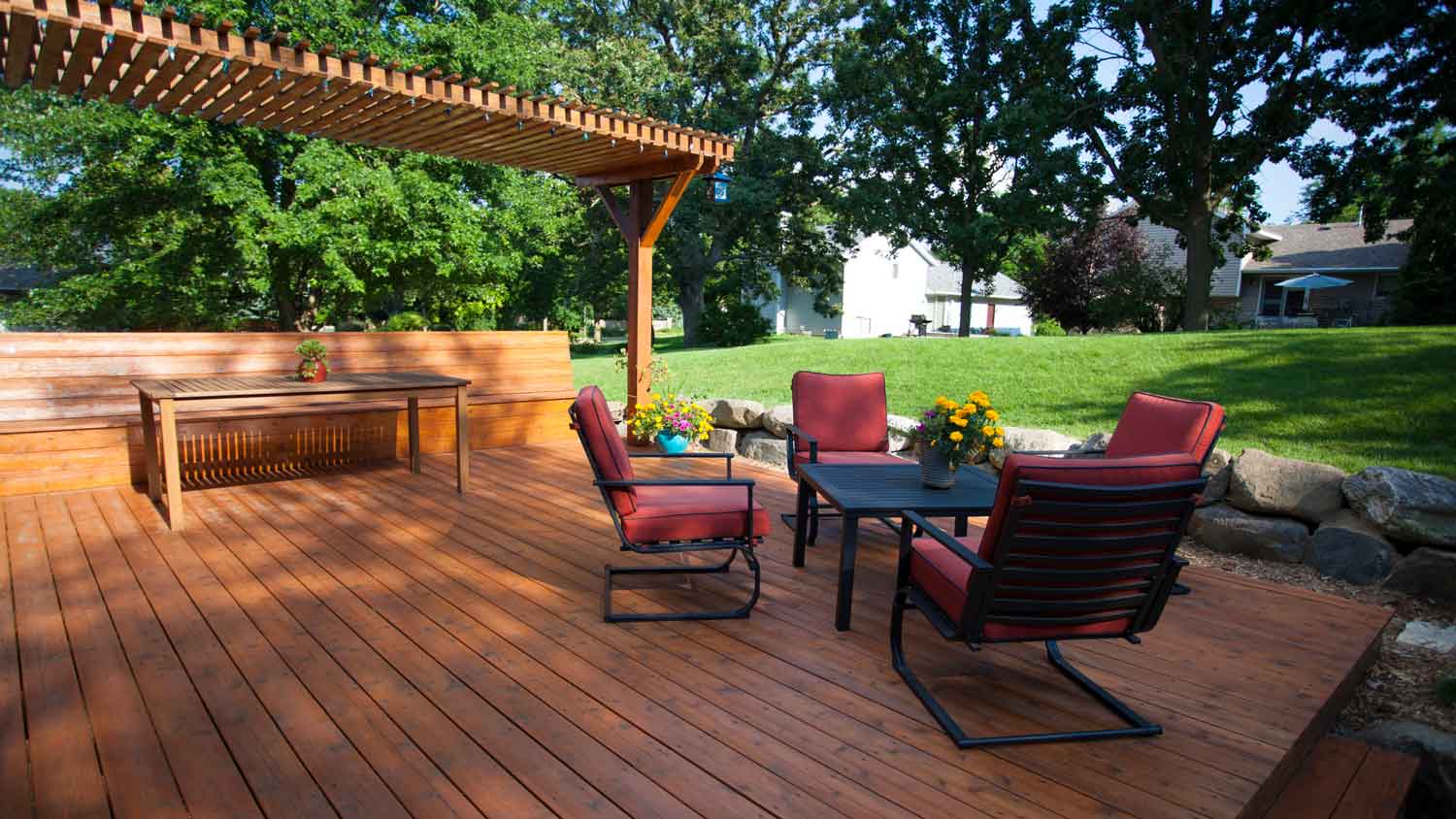
If your painted deck is less than appealing, it's time for a refresh. DIY your paint removal from your deck to enjoy your outdoor space for many seasons.
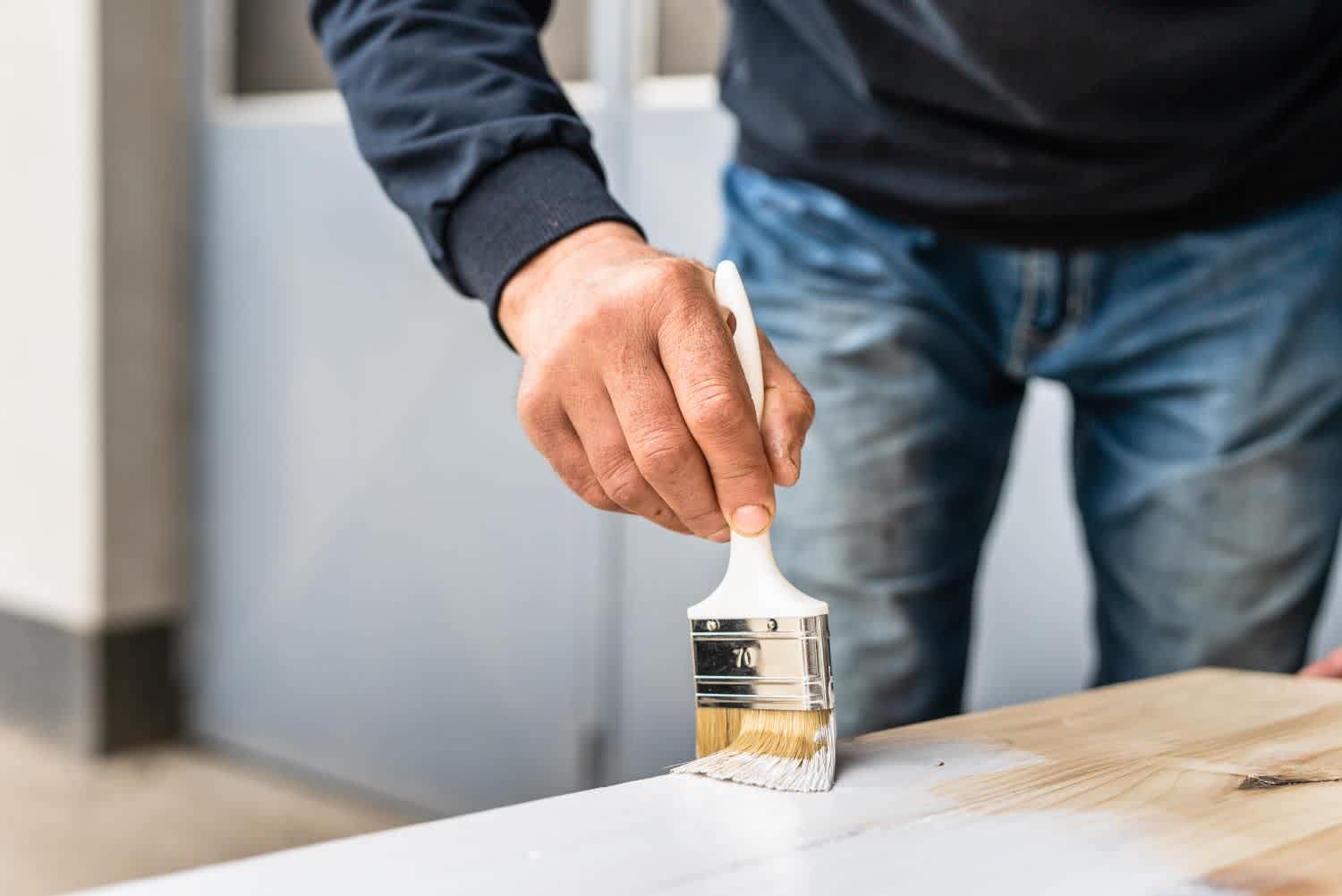
Cleaning the latex paint from your brushes is the easiest part of the entire painting process when you have the right tools and techniques. Find out how to clean your brushes like a professional painter with these three simple tips.