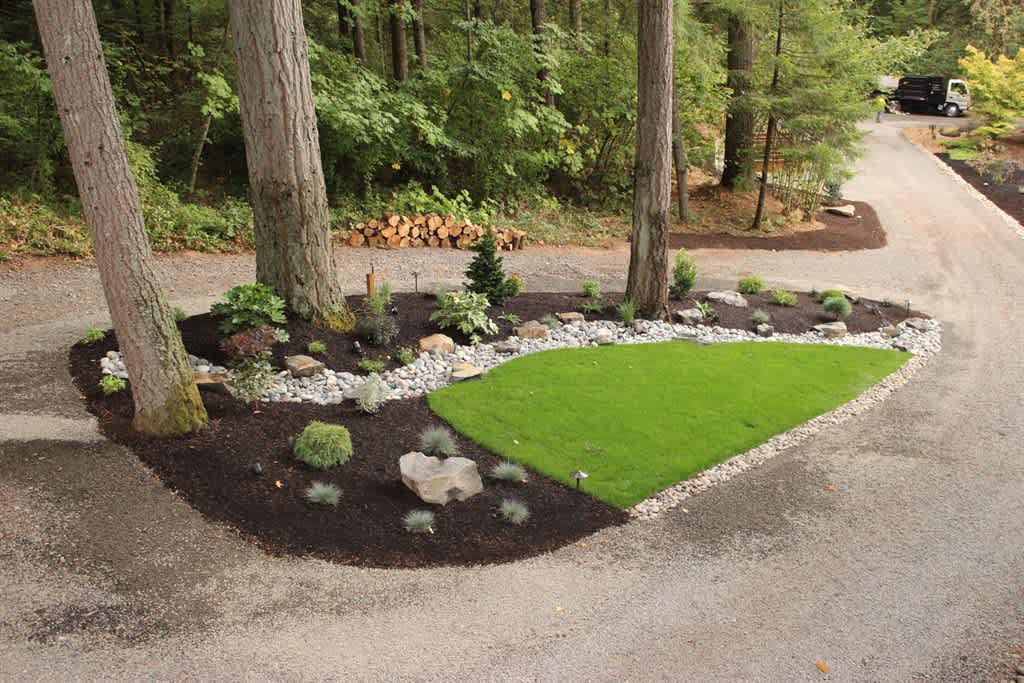
Top-rated brush chipping pros.

Get matched with top brush chipping pros in Mount Vernon, SD

Enter your zip and get matched with up to 5 pros

Need a pro for your brush chipping project in Mount Vernon, SD?

Select your specific project to find the pro for you.

TRUSTED BY MOUNT VERNON, SD HOMEOWNERS

  • Average homeowner rating star icon4.9
    Average homeowner rating
  • Verified reviews icon10
    Verified brush chipping services reviews

Find Brush chipping pros in Mount Vernon

No results for Brush chipping pro in

Try adjusting your search criteria.
Brush Chipping questions, answered by experts

We always recommend wearing a protective mask when blowing leaves (as well as goggles if possible). Blowing leaves creates a lot of dust, and in many cases that dust contains a bunch of allergens that can make those sensitive very miserable. Even worse, moldy leaves can contain fungi and bacteria that could make humans as animals very sick. Mask up before starting your leaf project, and if anyone is helping you collect the leaves it’s a good idea if they wear a mask, too.

The easiest way to remove bushes is first to cut the bush down. You may need to use a handsaw, pruning shears, or a chainsaw for thicker branches. Once you’ve removed most of the branches, you can then cut the base of the shrub as low to the ground as you can get. Then, with a shovel, dig around until you expose the roots. Dig out the roots, being careful not to leave any roots in the soil.

Wood is a very versatile material, so you can either compost it, use it for firewood, turn it into wood chips, or save it for future projects. If you don’t want excess wood cluttering your garage or workspace, you can call local community centers or schools to see if they have a need for it.

Skunks like to forage for grubs in the soil, like worms and insects, but they are also tempted by trash and pet food bowls, so keeping these items out of sight may help keep skunks away. Skunks also like to set up a den in dark places, such as a crawl space or outbuilding.

No, it’s not necessary to remove all the leaves from your lawn—in fact, leaving some behind can be beneficial. While it's important to clear thick layers of leaves that can smother your grass, leaving a light scattering of leaves can help feed your soil while also providing safe winter habitat for pollinators like bumble bees. Leftover leaves will eventually break down, enriching the soil and promoting healthy lawn growth.

The Mount Vernon, SD homeowners’ guide to brush chipping services

From average costs to expert advice, get all the answers you need to get your job done.