
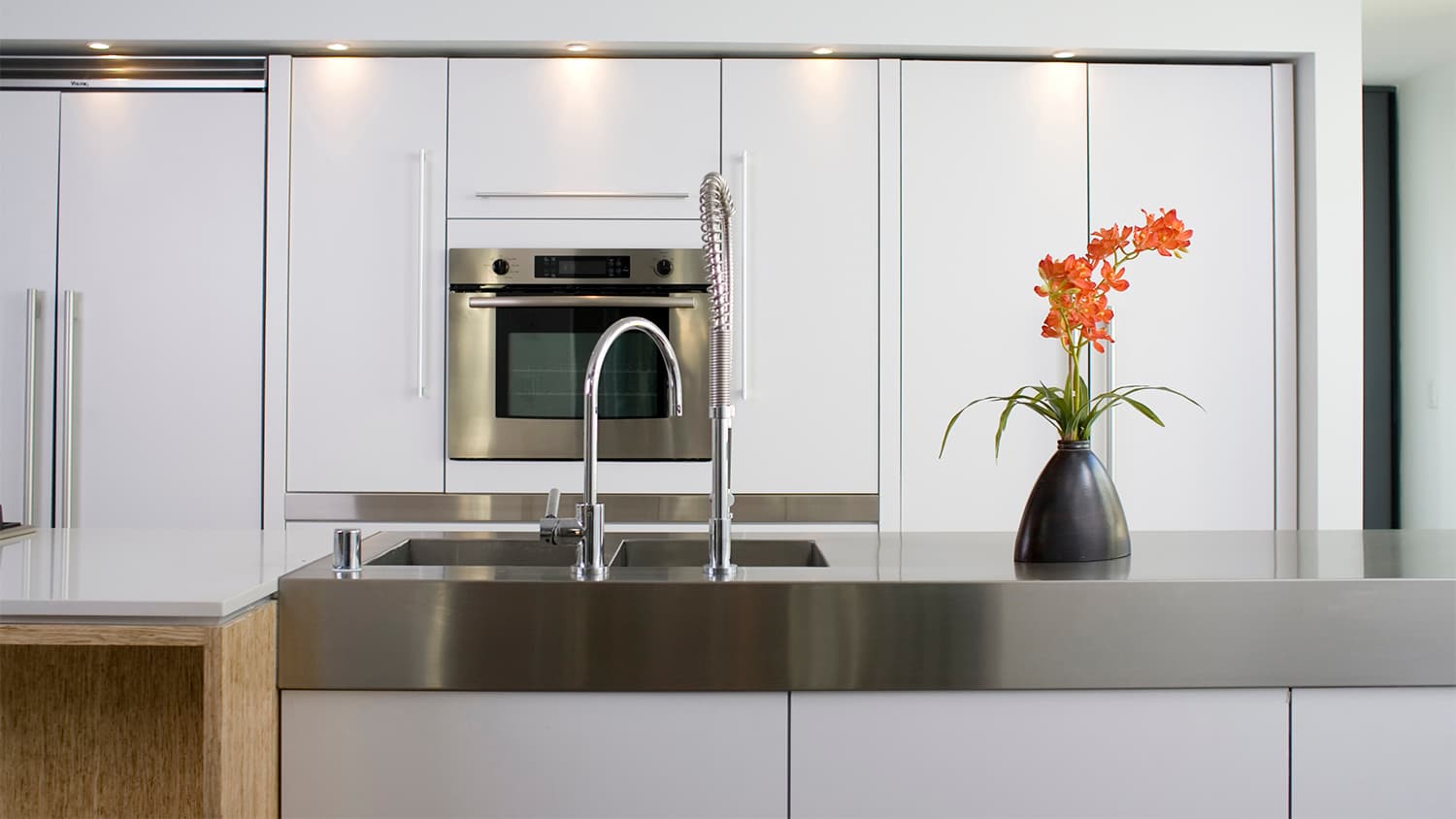
The cost of stainless steel countertops may seem shocking compared to laminate, but their durability may be worth it. Here’s how much you can expect to spend.
Give your stainless steel a facelift with a fresh coat of paint

Painting stainless steel requires proper surface preparation, including sanding with fine-grit sandpaper and thorough cleaning to help your primer and paint adhere correctly.
Professional painter costs range from $20 to $50 per hour for labor, and spray painting your stainless steel creates a smoother finish than brushing.
After you apply primer, choose between brushing, rolling, or spraying your paint, and let each coat dry completely before adding the next layer.
Hiring a local interior painting professional provides industrial-grade sprayers and metal bonding primers, helping you achieve a polished, long-lasting finish on your stainless steel.
Is your stainless steel showing wear and tear? Are you ready for a change from the industrial look? Painting over stainless steel can be a cost-effective option compared to replacing your appliances.
The smooth, non-porous surface of stainless steel can make it difficult for paint to adhere, but proper preparation by sanding and cleaning should help the paint stick. The most common application methods are a paintbrush, paint roller, or paint sprayer, depending on what texture you want. Let’s work through this step-by-step guide to painting stainless steel.
The short answer is: Yes, you can paint stainless steel. It’s true that stainless steel is a durable, corrosion resistant metal, which makes it popular for applications from industrial settings to your kitchen sink.
That durable surface can make it tough for paint to adhere to stainless steel because it doesn’t have a rough or porous texture like brick or wood, but the good news is that it’s possible to paint stainless steel. As with almost any project, proper preparation is key to a successful outcome.
Using the best paint for metal surfaces is also important when using oil-based and epoxy paints. A primer made for stainless steel can also serve as a bonding agent between the paint and surface of the metal.

Follow these steps to prepare your stainless steel-painting project.
Safety comes first, as always. So, make sure to wear gloves, eye protection, and a mask to protect against chemicals in any cleaners or degreasers, and to keep flying dust and debris from getting into your eyes or breathing it into your sinuses and lungs. If possible, it’s best to prep for your home painting project in a garage, workshop, or another ventilated area.
Also, if needed, lay down drop cloths and or tape off any flooring or other surfaces or objects that you don’t want to get dusty or, later on, hit with paint drips or overspray.
To help the paint primer and paint adhere to the metal, you’ll need to sand or scratch the surface with a material such as steel wool or a fine-grit sandpaper (#100 to #120 grit), enough to scratch the surface without leaving deep scratches.
Even if your stainless steel has some wear and tear, it won’t hurt to sand it anyway to remove any spot rust or other foreign materials such as dirt or grease.
After sanding, use a cleaner or degreaser rated for use on stainless steel to clean away any remaining debris and dust. Starting with a clean surface is important because any material on the stainless steel can act as a bond-breaker to prevent primer and paint from sticking.
Once your cleaned project dries for the proper amount of time (as recommended by the manufacturer of the cleaner/degreaser as well as primer), the last step before painting is to apply a paint primer. Before applying, confirm that the primer is compatible with the kind of paint you plan to use. And finally, make sure you’re painting in a well-ventilated area, and follow the manufacturer’s recommended drying time.

Depending on the desired finish and the tools at your disposal, you have a few options: brush, roll, or spray your paint. Once you choose a painting method, use it on all coats. If you start with a brush and decide to roll or spray for a smoother finish, some of the brush strokes may show through.
It’s a good idea to keep some paint around for touch-ups or if you want to add another matching stainless steel piece. However, be sure to always properly dispose of paint you don’t use.
Keep in mind that using a brush to apply paint will create the most texture, as the brush strokes will be visible on the paint finish.
Apply primer in a well-ventilated area as directed by the manufacturer and allow it to dry.
Use a clean brush to apply an even coat of paint to the prepared stainless steel surface.
Allow the first coat to dry for the amount of time directed by the manufacturer.
Apply the second coat.
Wait until the paint is dry to the touch before removing the tape. To ensure that your new paint doesn’t come off with the tape, use a razor blade or utility knife to cut along the edge of the tape before removing.
Apply a paint primer.
Use a 3/16” to ¼” nap roller, as is recommended for even application to smooth stainless-steel surfaces.
Apply the first coat with the paint roller.
Allow the first coat to dry for the amount of time directed by the manufacturer.
Apply the second coat, and allow it to dry.
For a smoother, more even application, learning how to use a paint sprayer is the way to go. If your project is on the smaller side—like a faucet or kettle—canned spray paint should save you the hassle of cleaning out a paint spraying machine. However, if you’ve got a larger area such as a freezer or a fence, cleaning out a paint sprayer may be worth the time and effort saved.
Apply a paint primer.
Test the sprayer on a piece of cardboard or newspaper to practice using it.
Hold the sprayer 10 to 12 inches away from the surface you’re painting.
Spray in the same direction with each pass for a consistent “grain” or spray pattern.
Allow the first coat to dry.
If needed, apply a second coat using the same techniques.
Once the paint job is complete, empty the sprayer and clean it thoroughly.
Follow these tips and tricks for maintaining your painted stainless steel.
After letting the paint dry for at least as long as the manufacturer recommends for curing time, you can apply a coat of wax to your new paint job. If you’re painting and waxing stainless steel near a food prep or dining area, use a food-grade wax.
After the paint job is complete, be sure to clean your painted stainless steel appliances and countertops regularly for long-lasting results. You can safely polish painted stainless steel surfaces by rubbing it with a dampened microfiber cloth with warm water, white vinegar, or window cleaner.
To keep your paint job looking sleek for years to come, stay on the lookout for chipping or peeling paint. If there are several or large portions of chipped paint on your stainless steel item, use a putty knife to remove it, but avoid scratching the steel surface below. Then, start the process over by sanding, cleaning, and priming the surface before adding a fresh coat of paint.
Unless you apply a waterproof paint to your stainless steel surface, you should avoid letting it come in contact with water or other liquids. Not only could a splash of coffee or red wine stain the surface, but it could also cause the paint to peel. With that in mind, be sure to wipe down your stainless steel surfaces to keep the paint job fresh.
When it comes to painting a few stainless steel faucets or other fixtures around your home, prepping and painting is usually a manageable DIY project. However, if you’ve got a larger appliance, machine, or stainless steel fence or railing that requires getting up on a ladder or scaffolding and a paint sprayer, consider hiring a local interior painter instead. That way, you’ll get the polished, professional end result you’re looking for, along with stainless steel paint and primer advice from a professional painter.
Keep in mind that the cost to hire a professional painter is $20 to $50 per hour for labor. With assistance from an interior painting pro, you can ensure that your project will have a more polished, professional-looking result than if you attempt to DIY your stainless-steel project.
Custom Paint Jobs LLC is the go-to choice for all your painting needs. They painted both the interior and exterior of my house flawlessly. Their work speaks for itself!
 Custom Paint Jobs, LLC
Beginning with the estimate, Larry and Peyton were super helpful in getting my new condo's interior re-painted. Not only was the job well done, but also done in a super timely manner as promised.
 Five Star Painting of Plain City and Powell
From average costs to expert advice, get all the answers you need to get your job done.
The cost of stainless steel countertops may seem shocking compared to laminate, but their durability may be worth it. Here’s how much you can expect to spend.
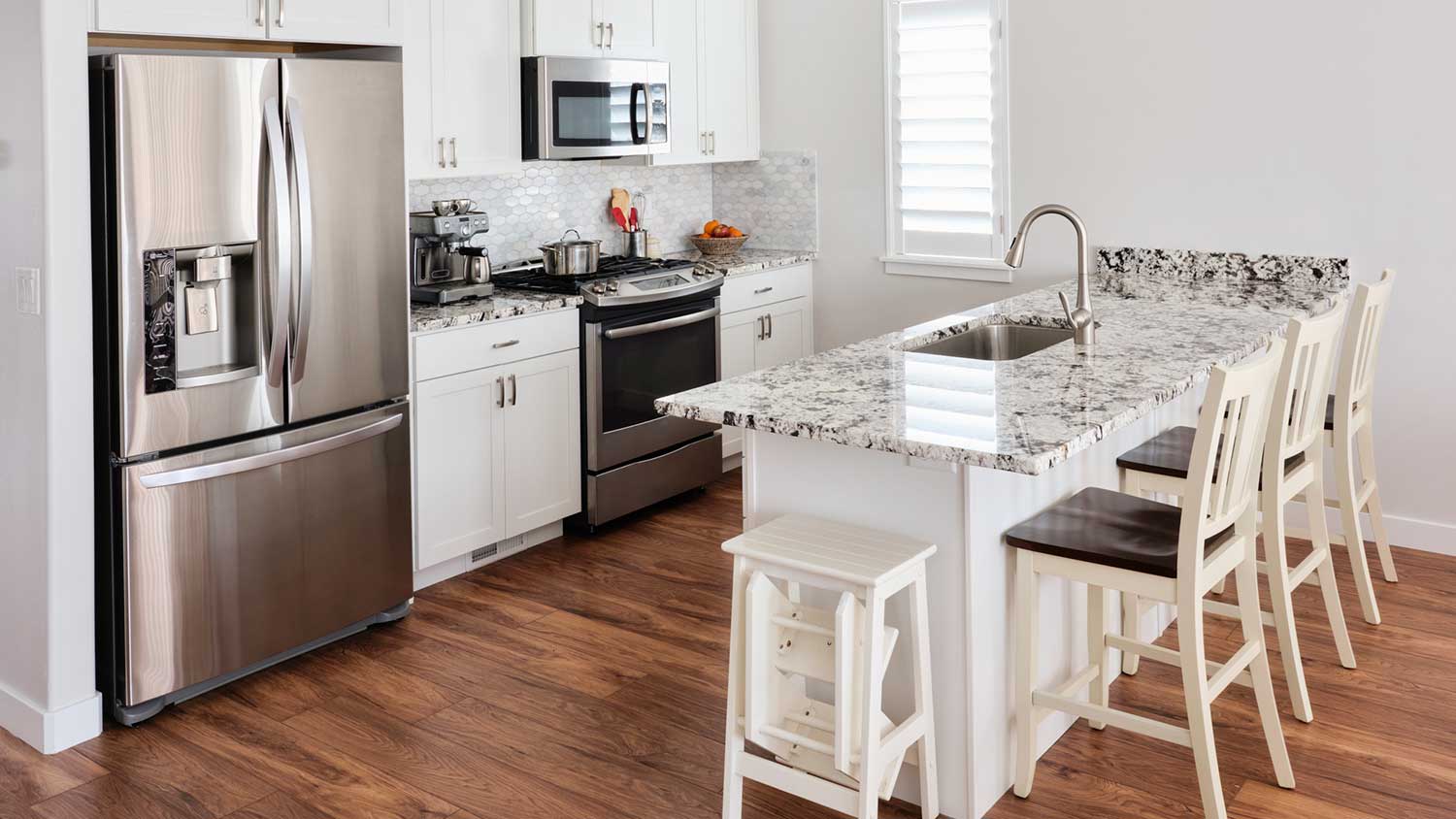
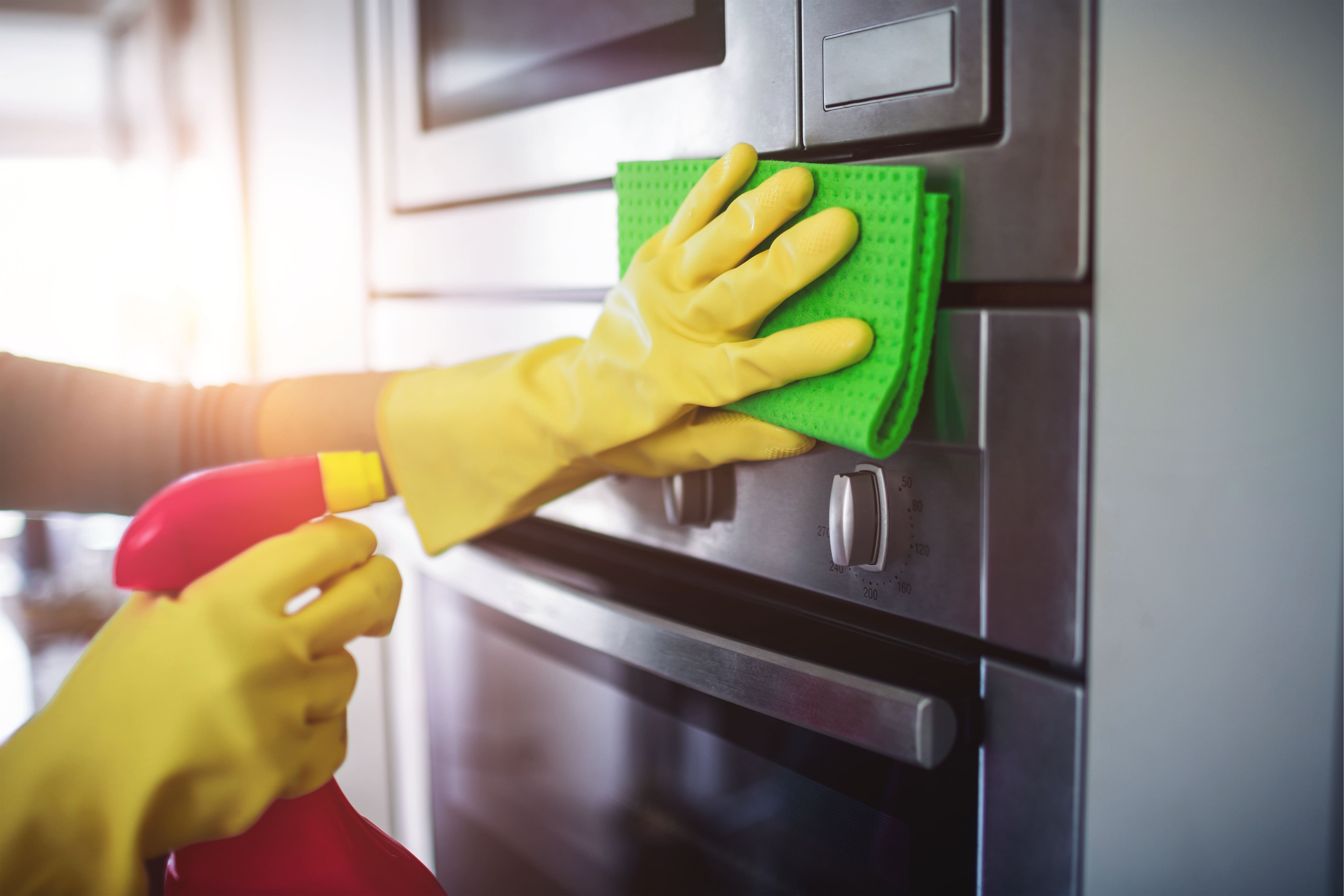
Need to freshen up your stainless steel appliances and make them pop? Use this guide on how to clean stainless steel to get the job done quickly and easily.
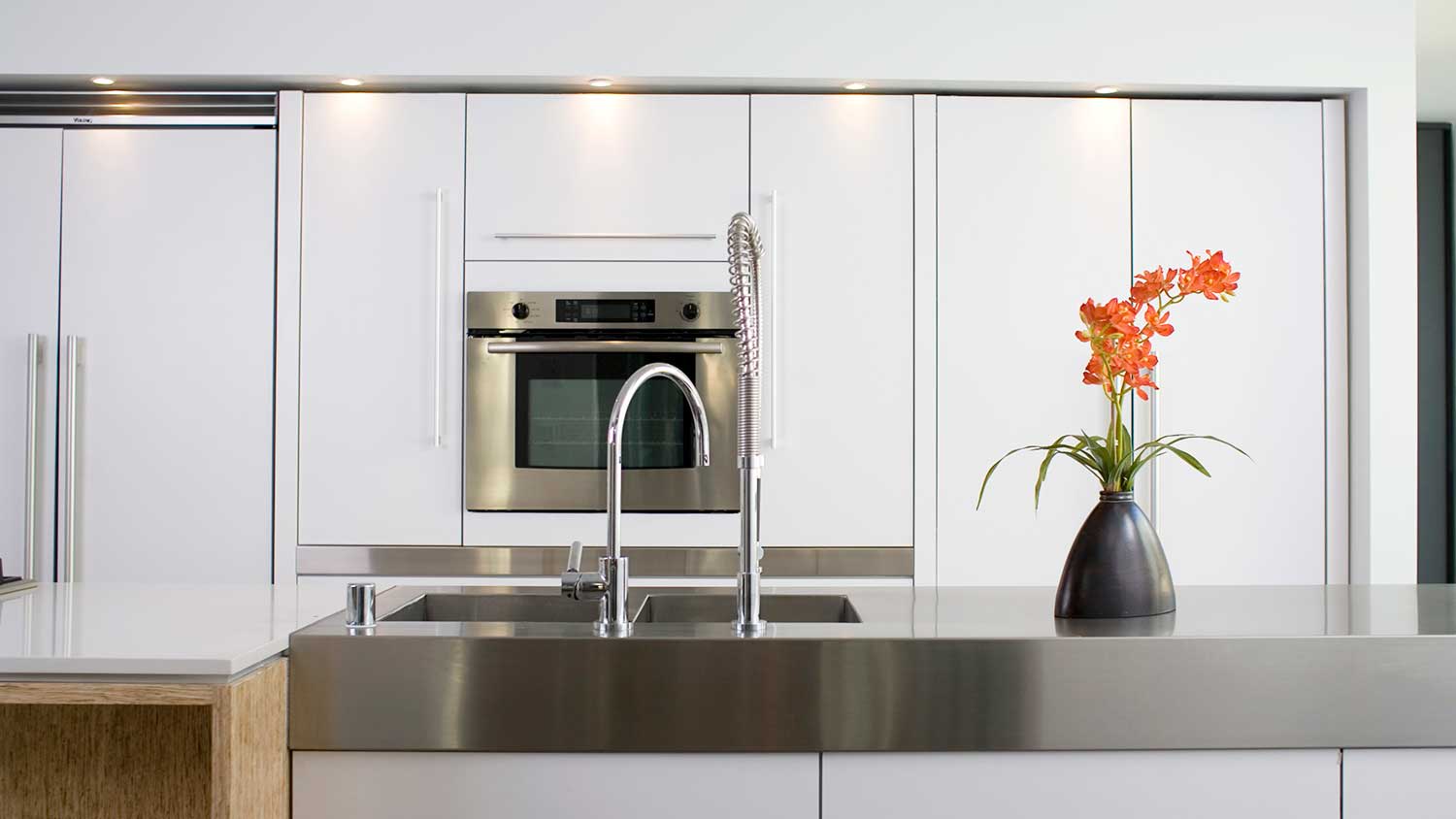
You can learn how to remove rust from stainless steel using a mixture of household items. Our guide will show you how to quickly get rust off stainless steel.

Stainless steel sinks are a popular choice for many homeowners, especially because they are easy to clean and maintain. With some due diligence, you can keep your sink sparkling. Follow these simple tips to care for a stainless steel sink.
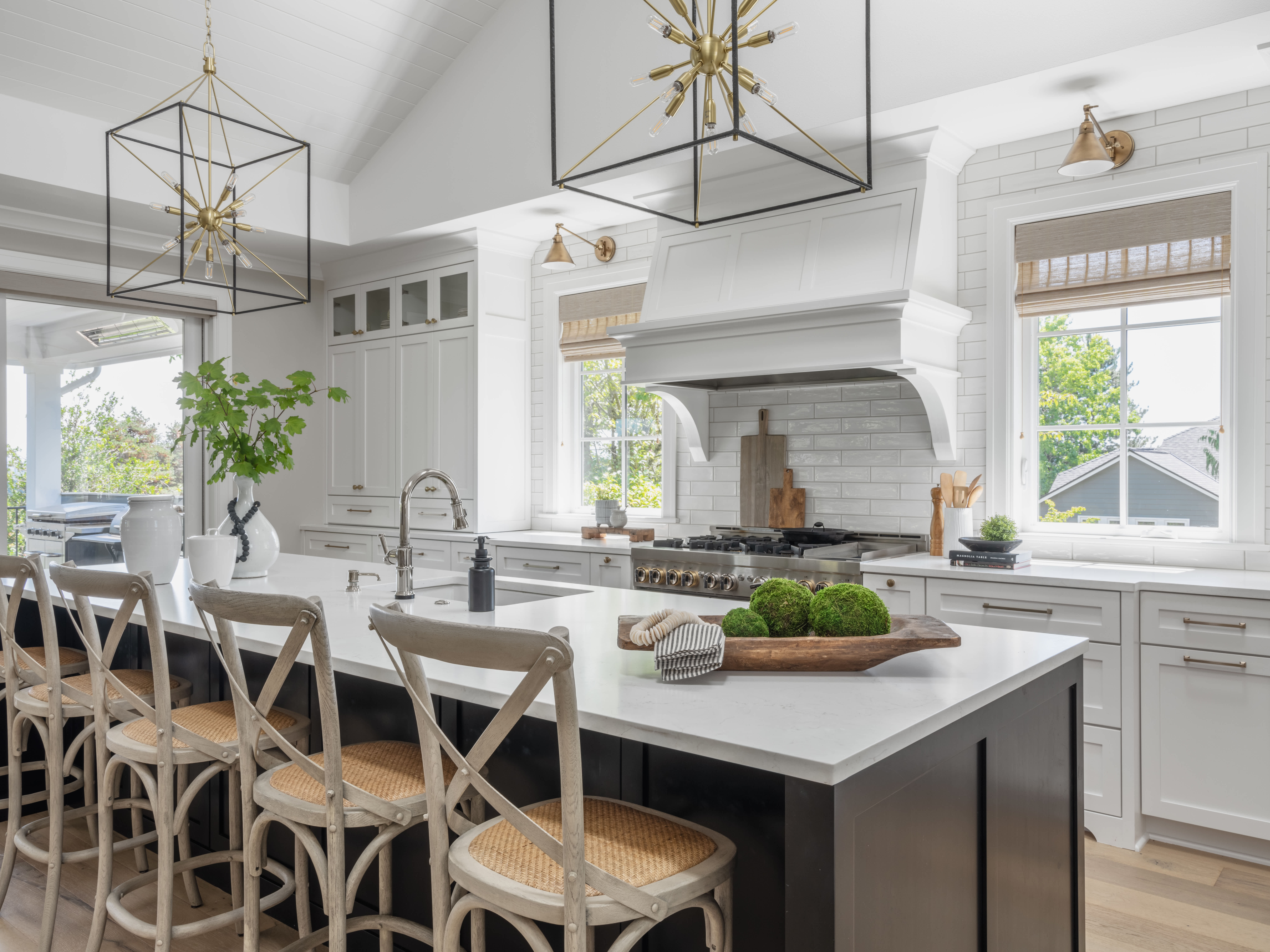
What are the best appliance colors and finishes? Read this guide for a round-up of classics and newer choices. You’ll learn the pros and cons of various options for your fridge, stove, oven, range, dishwasher, and washer and dryer.
Whether a small or deep scratch, follow these simple steps to remove scratches from stainless steel to keep your appliances shining.