"Very professional, high quality work and fair prices. Work was completed in a timely manner and was very accommodating for some minor changes. Dependable, trustworthy and highly skilled. Highly recommended."
David Ferguson's construction business is dedicated to quality and outstanding customer service. Our job is to provide you with quality service at a great price. Please don't wait call us today.
We're a locally owned and operated company with over 2 years of industry experience. We value honesty and integrity in all aspects of our business. We offer a variety of Home Improvement services that are customizable to each individual project. We specialize in handyman/carpentry work and a variety of related service and repair projects. We pride ourselves on the quality of our work as well as our commitment to outstanding results. We look forward to building lasting relationships with our clients and guarantee your satisfaction!
General contracting work, specializing in carpentry and woodwork. With 30 plus years of experience in residential and commercial new builds and remodels, Skid's Construction prides itself on being a company that takes care of its customers, providing quality services and work. We value honesty, integrity and efficiency.
Fire Pit Installation questions, answered by experts
Yes, you need to leave your chimney damper open when burning a creosote log so that smoke and other debris doesn’t waft into your house as it’s burning. You’ll need to make sure your damper is fully open, even when the log continues to smoke, until it’s completely out and cold.
No, but they both serve distinct life-saving purposes. Smoke detectors primarily sense the presence of smoke, typically caused by a fire, and emit loud alarms to alert occupants to evacuate. In contrast, carbon monoxide detectors monitor the levels of carbon monoxide gas, an odorless and colorless but deadly substance produced by incomplete combustion of fuels. When CO levels become dangerous, CO detectors sound alarms to warn inhabitants of potential poisoning risks.
When a carbon monoxide alarm goes off, you should always take it seriously. Infrequent and occasional chirps often point to a low battery, a faulty device, or dust buildup (this usually affects smoke detectors and not standalone CO detectors). A continuous alarm signals an emergency, and you should immediately evacuate and call 911. When it comes to carbon monoxide in your home, it’s better safe than sorry.
Safety concerns with propane boilers include proper venting to prevent carbon monoxide buildup, secure gas line connections, and regular inspection of safety controls. Professional boiler installation and annual maintenance are essential to minimize risks. Having a carbon monoxide detector installed in your home is essential for early detection of any leaks or ventilation issues.
While your forced heating system runs, it can pick up dirt, dust, hair, and other particles from inside your house. Changing your furnace filters regularly is key to preventing this debris from getting stuck in your ducts and swirling around your home. With some types of furnaces, there’s also the potential for carbon monoxide leaks. However, staying up-to-date with your HVAC inspections and installing carbon monoxide sensors can help mitigate this risk.
The Allen, SD homeowners’ guide to fire pit installation services
From average costs to expert advice, get all the answers you need to get your job done.
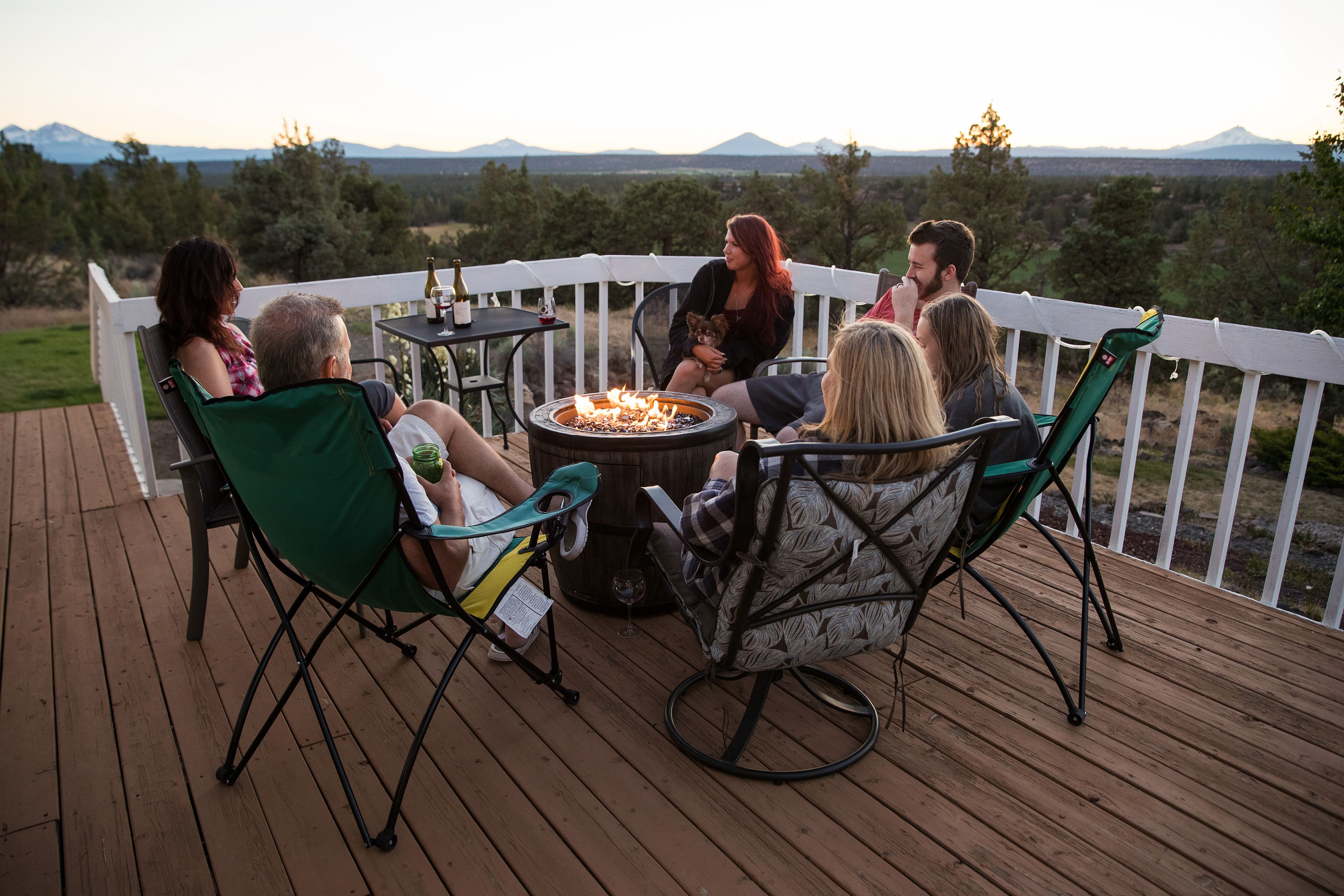
A fire pit installation costs $850 on average but can vary by size, fuel type, materials, and more. See how much you need to budget for a new fire pit.
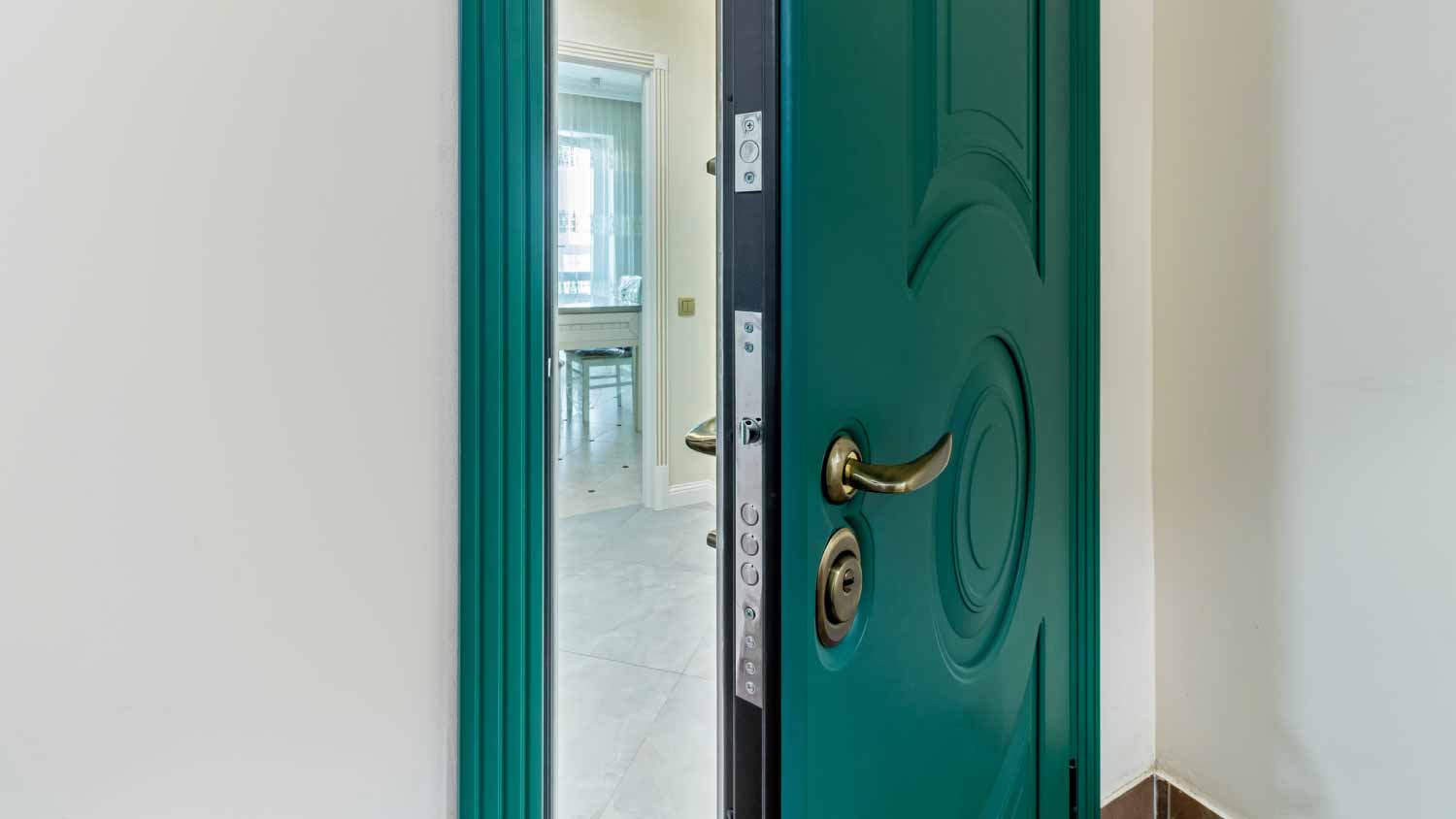
Discover fire door cost data, including installation, materials, and tips to save. Learn what impacts fire door pricing and how to budget for your project.
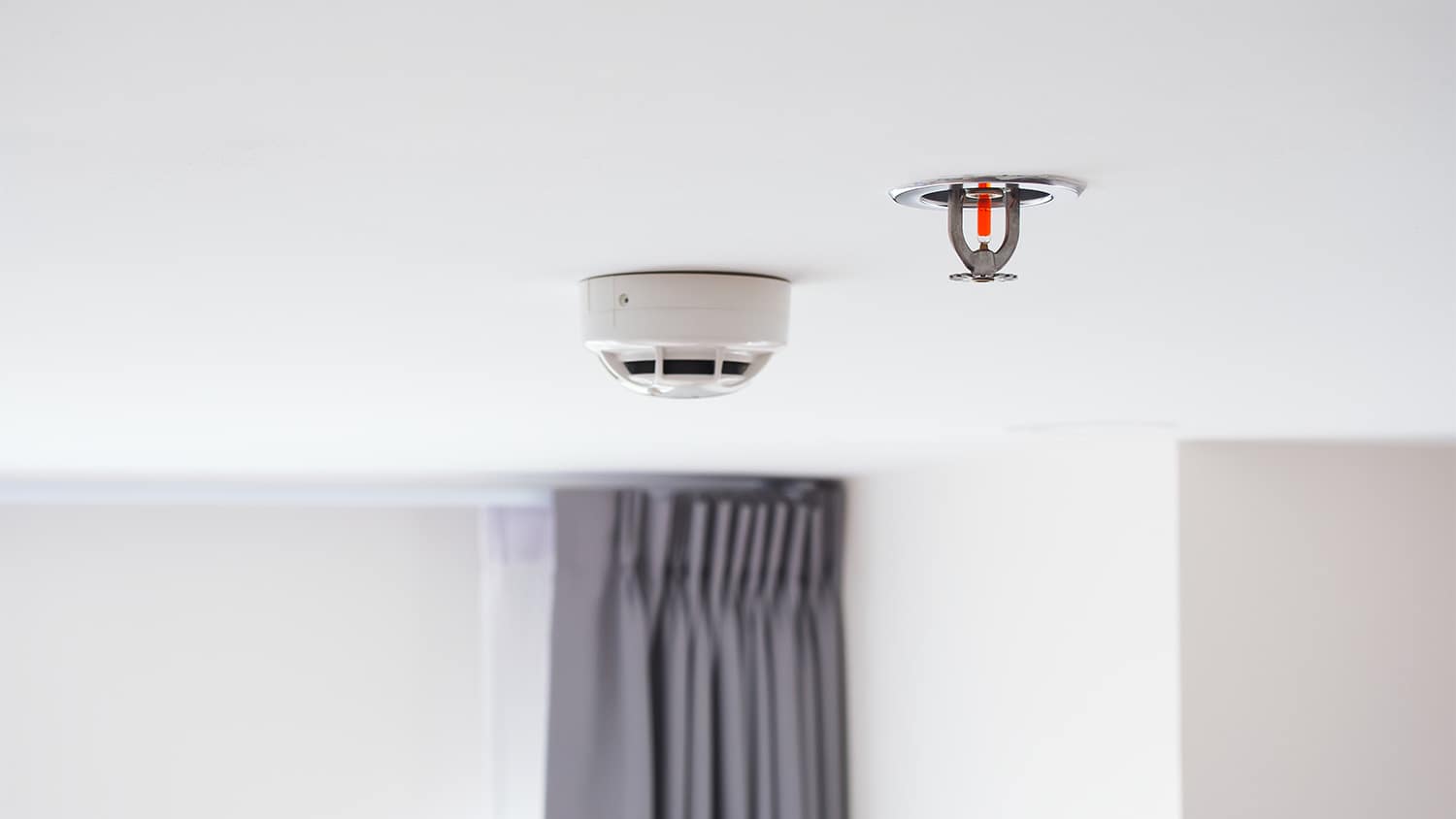
Discover home fire sprinkler system costs, including installation, maintenance, and key cost factors. Learn how to budget and save on your home fire protection.
A fire pit adds attractive entertainment space to your backyard. Learn about standard fire pit dimensions and what factors contribute to fire pit size.