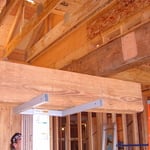
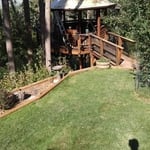
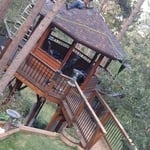
David Ferguson's construction business is dedicated to quality and outstanding customer service. Our job is to provide you with quality service at a great price. Please don't wait call us today.
Daringer Enterprises works hard to provide the highest quality workmanship and customer service on every job we are awarded. We look forward to servicing all your handyman home improvement needs.
C & H Construction, LLC, has been in business for several years and we would love the opportunity to show you what experience and expertise can mean for the overall value of your roofing,painting, drywall, siding, and framing projects. Retired Military and willing to work with fixed income homeowners and single parent homeowner Call today 605-347-1207.
\n
\n
\n
We're a locally owned and operated company with over 2 years of industry experience. We value honesty and integrity in all aspects of our business. We offer a variety of Home Improvement services that are customizable to each individual project. We specialize in handyman/carpentry work and a variety of related service and repair projects. We pride ourselves on the quality of our work as well as our commitment to outstanding results. We look forward to building lasting relationships with our clients and guarantee your satisfaction!
Fire Pit Installation questions, answered by experts
Regular HVAC filter changes, deep cleaning, and air quality monitoring help maintain a healthy environment.
Yes, it is possible. An electrical fire can break out if the compressor has inadequate ventilation. When it overheats but doesn't have a proper thermal cutout, this can cause the motor to short-circuit and catch fire. This risk is exacerbated if flammable materials, like dust and fallen leaves, are clogging the unit. The compressor overheating won't start a fire by itself, but poor maintenance and installation can increase the risk once it hits its breaking point and short-circuits.
Some Christmas lights are marked as being “UL Safety Certified” or Underwriters Laboratories Safety Certified. This lab is a trusted source for determining the safety standards of electrical products—you should make sure your Christmas lights have this label. Brush up on other electrical safety tips before installing any lighting features.
Absolutely! Smoke alarms are lifesavers. According to the National Fire Protection Association (NFPA), per 1,000 reported home fires, homes without working smoke alarms have a death rate nearly twice as high as those that do have working alarms. So remember to ensure you have enough installed in your home and that they are working and in good shape.
Whether or not your attic ladder needs to be fire-rated depends on your local building codes, so it’s best to check with your municipal office. However, if your ceiling meets a fire requirement, your attic ladder should as well. There are benefits of opting for a fire-rated ladder. For one, thanks to their fire-resistant material, they'll help protect your home from fire spreading from your attic, if one should break out.
The Martin, SD homeowners’ guide to fire pit installation services
From average costs to expert advice, get all the answers you need to get your job done.
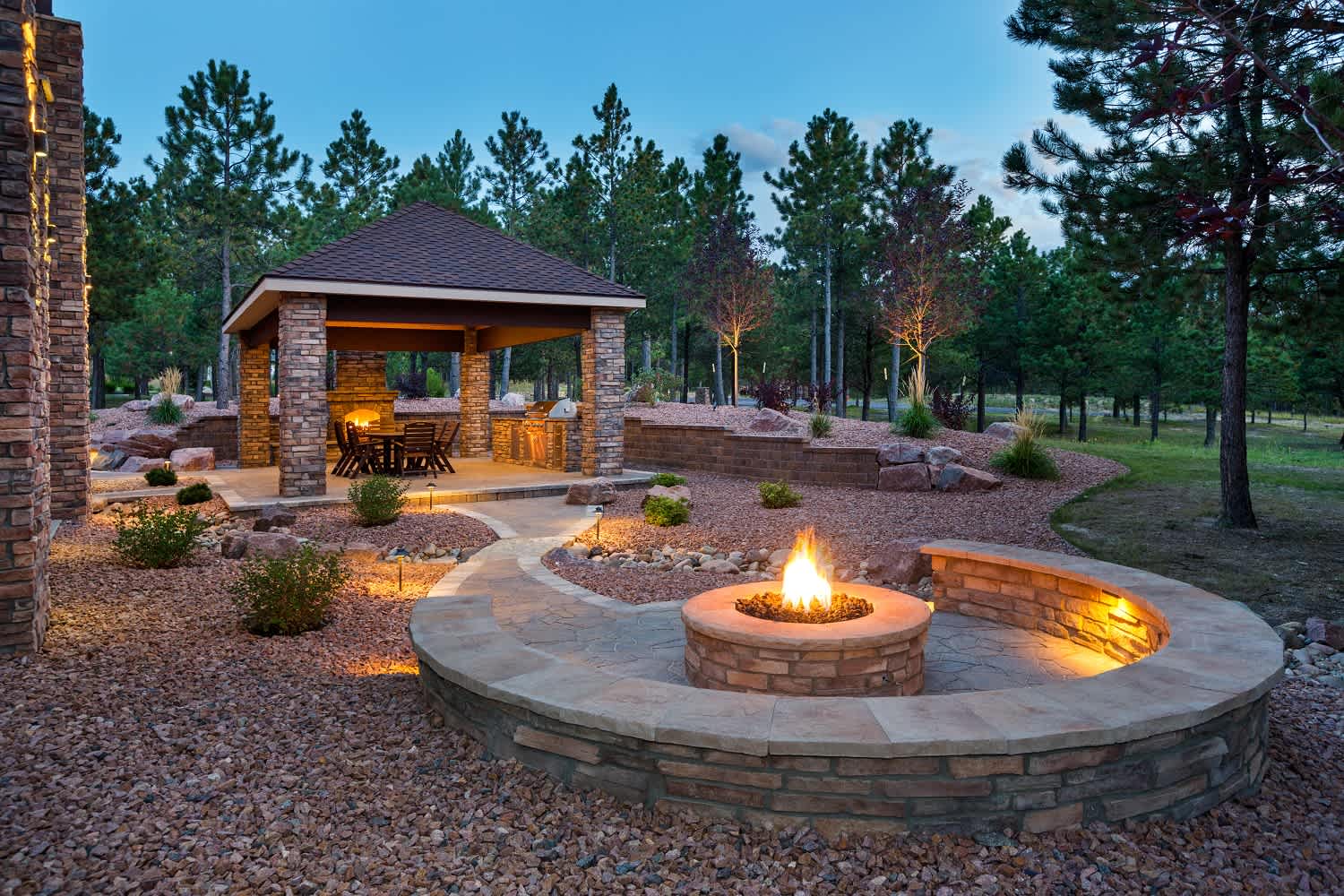
A fire pit installation costs $850 on average but can vary by size, fuel type, materials, and more. See how much you need to budget for a new fire pit.
Discover fire door cost data, including installation, materials, and tips to save. Learn what impacts fire door pricing and how to budget for your project.
Discover home fire sprinkler system costs, including installation, maintenance, and key cost factors. Learn how to budget and save on your home fire protection.
A fire pit adds attractive entertainment space to your backyard. Learn about standard fire pit dimensions and what factors contribute to fire pit size.
If you’re interested in buying a fire pit, you will likely be considering gas or wood. But what are the pros and cons of each? Find out if a gas or wood fire pit is right for you.