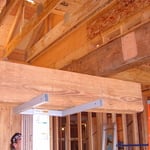
"Very professional, high quality work and fair prices. Work was completed in a timely manner and was very accommodating for some minor changes. Dependable, trustworthy and highly skilled. Highly recommended."
David Ferguson's construction business is dedicated to quality and outstanding customer service. Our job is to provide you with quality service at a great price. Please don't wait call us today.
C & H Construction, LLC, has been in business for several years and we would love the opportunity to show you what experience and expertise can mean for the overall value of your roofing,painting, drywall, siding, and framing projects. Retired Military and willing to work with fixed income homeowners and single parent homeowner Call today 605-347-1207.\n\n\n
We're a locally owned and operated company with over 2 years of industry experience. We value honesty and integrity in all aspects of our business. We offer a variety of Home Improvement services that are customizable to each individual project. We specialize in handyman/carpentry work and a variety of related service and repair projects. We pride ourselves on the quality of our work as well as our commitment to outstanding results. We look forward to building lasting relationships with our clients and guarantee your satisfaction!
Fire Pit Installation questions, answered by experts
Yes, fire extinguishers eventually expire. However, the good news is that a properly stored fire extinguisher can last a decade or longer. They don’t have an expiration date on the canister, but you can check the manufacturing date on the “UL” nameplate near the classification information. Maintenance will also give your fire extinguisher longevity. Check the gauge at the top of the extinguisher every month. You'll want to make sure the gauge needle is in the green section, and if a hose or nozzle has been used or damaged, you need to replace it.
A hot fire alone will not remove significant creosote buildup and can be dangerous, as it risks causing a chimney fire. While the warmth from a fire can help loosen stuck tar, making treatments like creosote logs more effective, it is not a substitute for proper cleaning. For existing creosote, the safest and most effective method is to have your chimney professionally cleaned by a chimney sweep.
Bioethanol fireplaces are safe when users follow the instructions and maintain the fireplace. Ethanol is flammable, however, and should be kept away from flammable surfaces, children, and pets.
Regular inspections, battery replacements, and testing alarms help maintain reliability.
Disposable fire extinguishers are good for anywhere from 10 to 12 years, but check the documentation that accompanied your specific model to make sure. Additionally, there are rechargeable models out there that last 12 to 20 years, but they require a professional inspection every six years.
The Kadoka, SD homeowners’ guide to fire pit installation services
From average costs to expert advice, get all the answers you need to get your job done.
A fire pit installation costs $850 on average but can vary by size, fuel type, materials, and more. See how much you need to budget for a new fire pit.
Discover fire door cost data, including installation, materials, and tips to save. Learn what impacts fire door pricing and how to budget for your project.
Discover home fire sprinkler system costs, including installation, maintenance, and key cost factors. Learn how to budget and save on your home fire protection.
A fire pit adds attractive entertainment space to your backyard. Learn about standard fire pit dimensions and what factors contribute to fire pit size.