





Top-rated electricians.

Get matched with top electricians in Round O, SC

Enter your zip and get matched with up to 5 pros

Need a pro for your electrical service project in Round O, SC?

Select your specific project to find the pro for you.

TRUSTED BY ROUND O, SC HOMEOWNERS

  • Average homeowner rating star icon4.1
    Average homeowner rating
  • Verified reviews icon44
    Verified electrical services reviews
Electrical questions, answered by experts

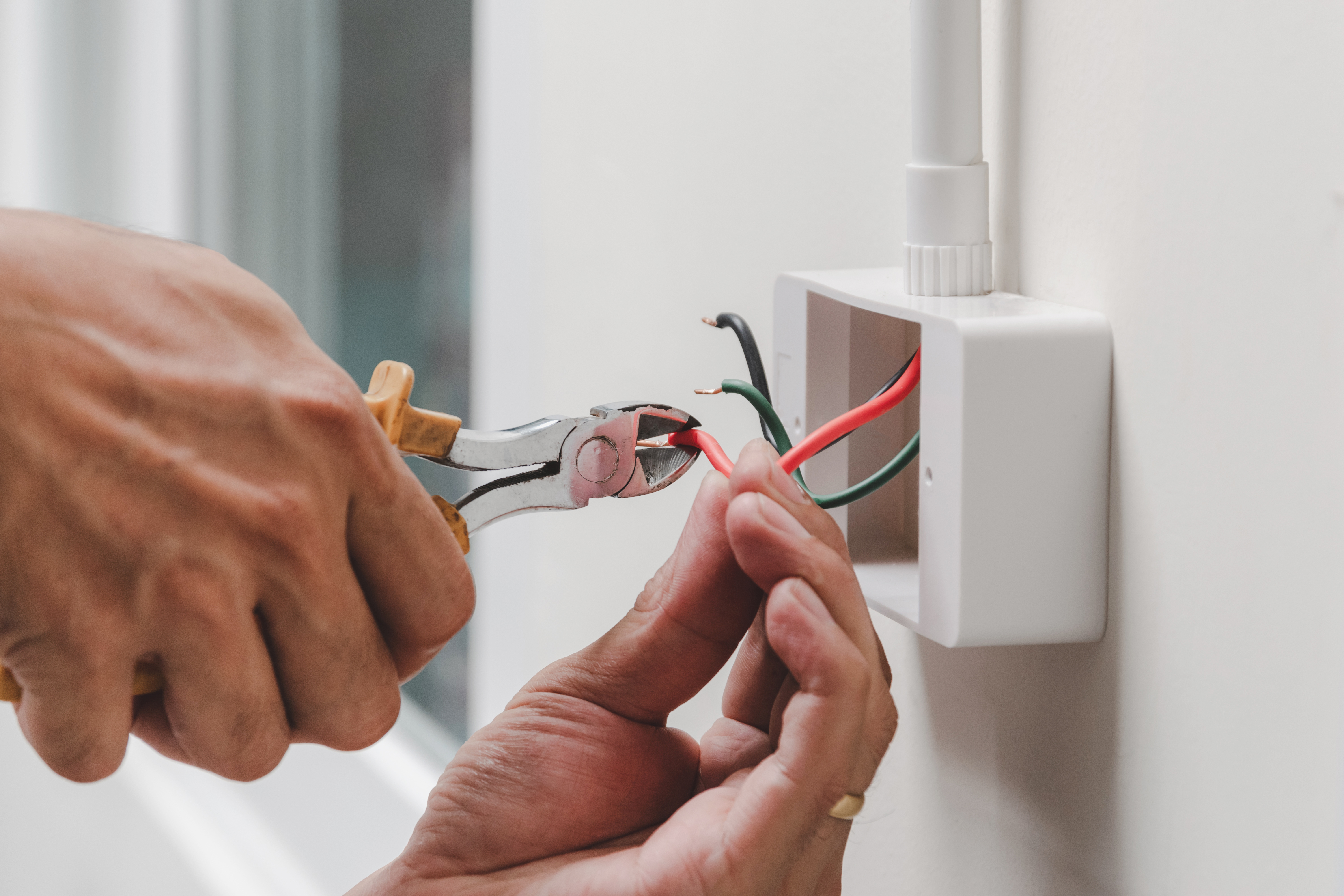
The hot wire is typically black, but it's essential to use a non-contact voltage tester to confirm the electrical wire color code before working on it. Neutral wires are typically white. It’s vital to determine which wire is carrying electrical current before proceeding with any electrical work.

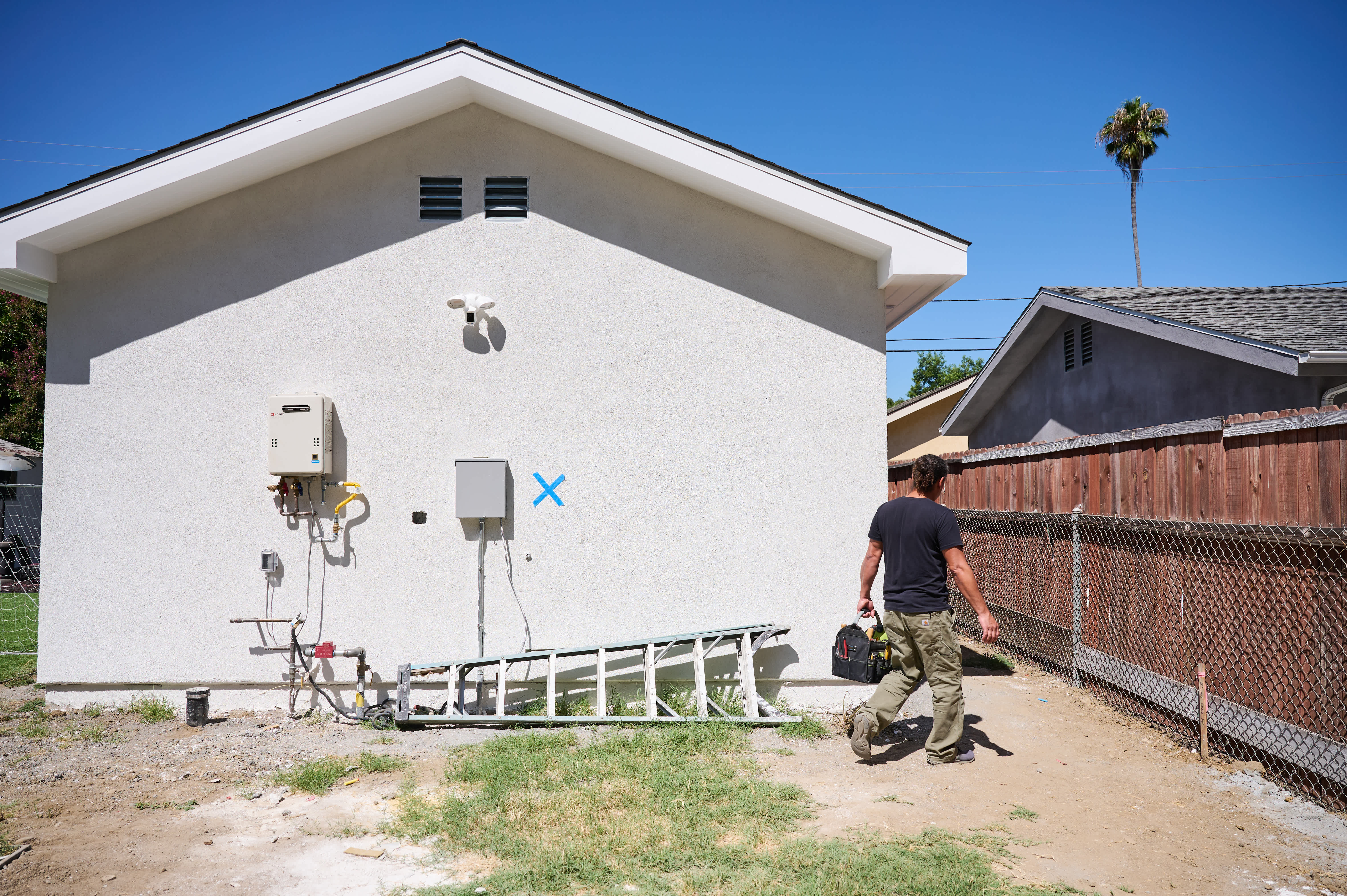
Before you start doing anything else, you must call your electric company to confirm their process. It is technically their meter that you’re moving, so there’s really no such thing as free rein. Moving the meter generally involves disconnecting power from the utility company, disconnecting the cables that run into your electrical panel, and dismounting the meter assembly. Once uninstalled, a handyperson will remount and reconnect the wiring in its new location.

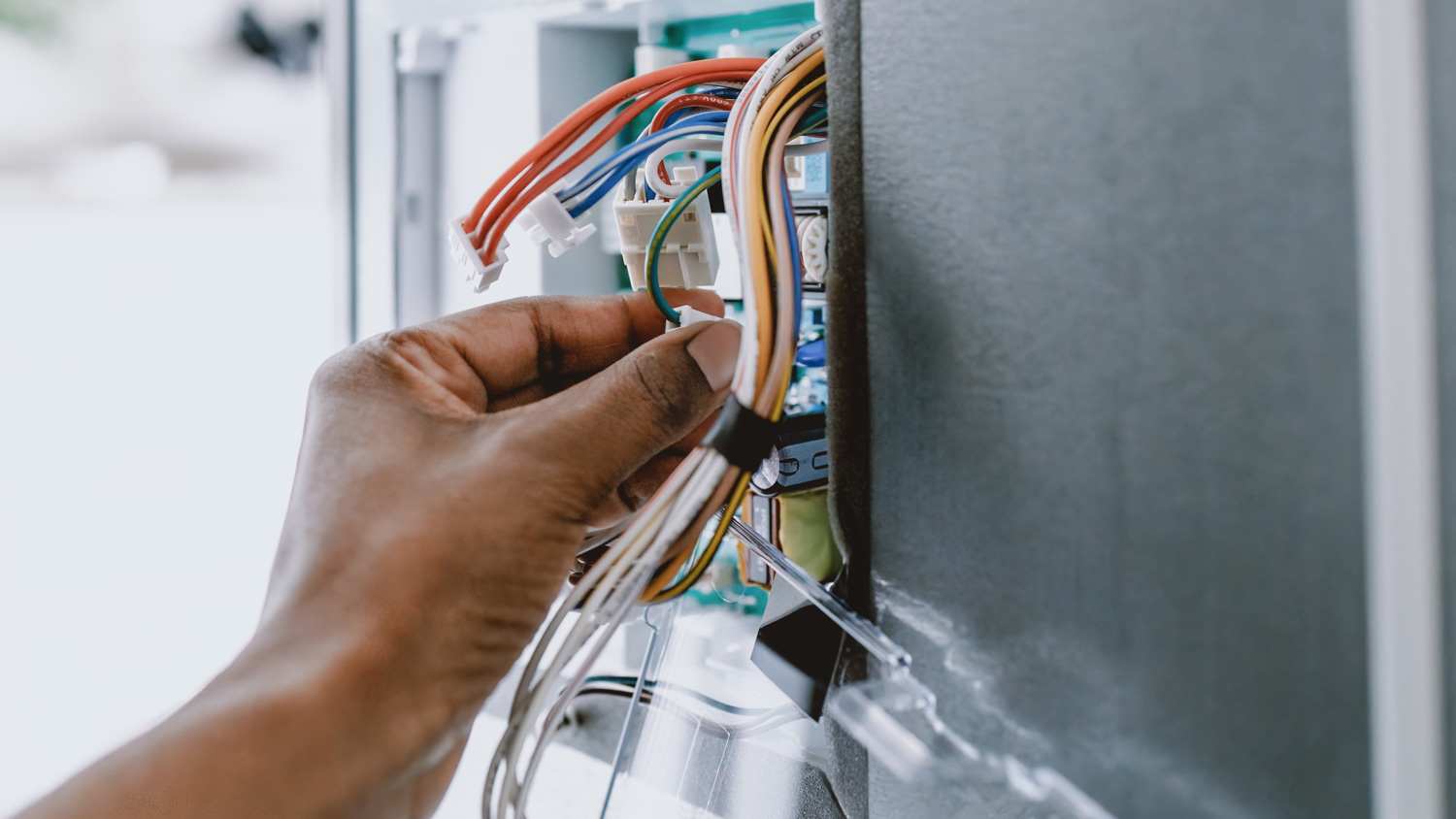
In most cases, line wires are located at the bottom of a panel or device, while load wires are located at the top. Line wires are generally black, while load wires are typically red or black. To tell for sure, you can use a multimeter or volt pen to test the wire. A live or line wire will always carry a charge, while a load wire will only carry a charge when it’s in use.

Do not touch electrical wires in your home without first turning off the power at your circuit breaker and testing the wire with a voltage meter or multimeter. Electricity still flows through wires even when a light switch is powered off, and touching wires with the switch on can result in electrical shock.

Yes, the National Electrical Code reviews household codes every three years. However, that doesn’t always mean that kitchen counter outlet requirements will change, but it does allow room for professionals to make updates. That’s why many older kitchens are no longer code-compliant thanks to changing rules for amperage, GFCI protection, and more.