
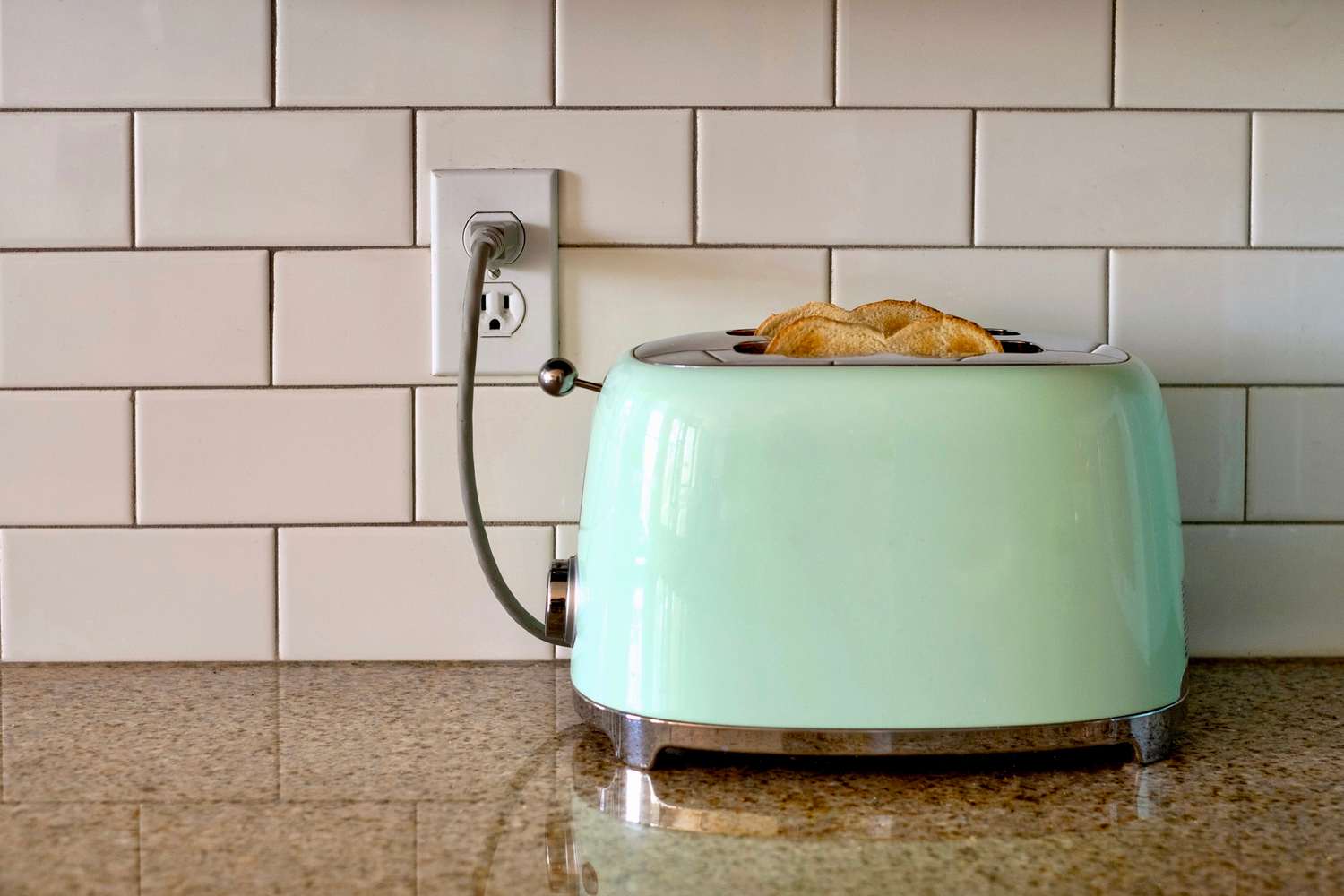
The average cost to install an electrical outlet is $133 to $296 each. This guide explains what factors impact the total cost of installing an outlet.
Power up every room of your home

Your home needs electrical outlets every 6 feet along floor lines in living spaces to meet code requirements and reduce extension cord clutter.
Strategic outlet placement depends on your room use, furniture arrangement, and appliance needs, with kitchens requiring outlets every 2 feet along counters.
GFCI outlets protect you from electrical shocks in bathrooms, kitchens, garages, and outdoor areas where water contact is possible.
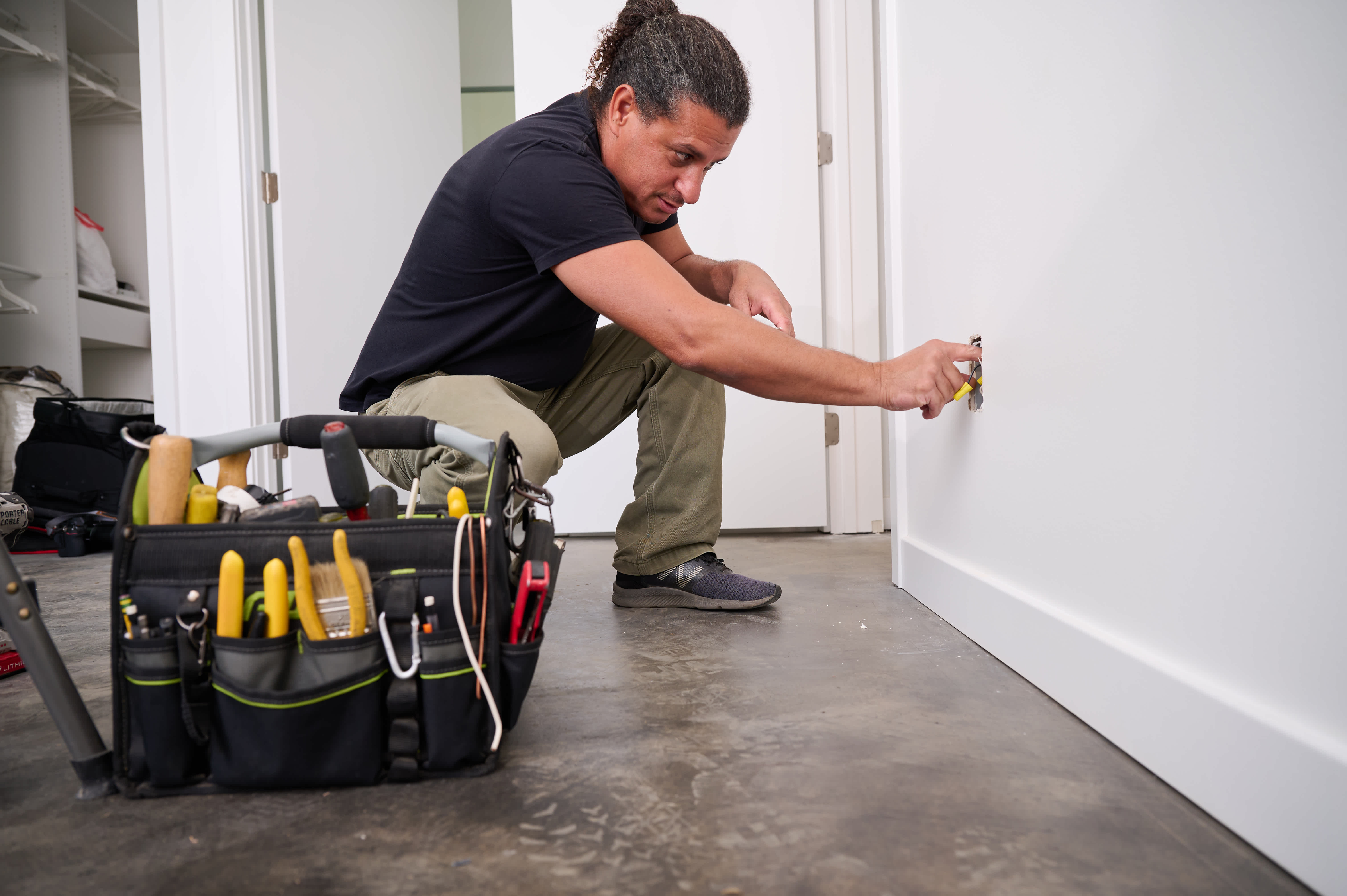
Hiring a local electrical professional ensures your outlet installation meets code requirements and keeps your home safe from electrical hazards.
Does your home feel like a spider web of extension cords? Do your appliance plugs rotate through your single kitchen socket like a merry-go-round? You’re not alone. These issues are why it’s so important to learn where to put electrical outlets.
The average American home has about 75 electrical outlets. The total number of outlets is important, but, as you so painfully understand, so is their specific placement. When deciding where to place your outlets, remember that they’ll all have to meet strict electrical code requirements. We recommend working with a professional electrician near you to ensure your installation is up to code and you and your home are safe from any electrical hazards.
Ready to get started? Use our list of the best places to consider when installing outlets in your home as inspiration.
The living room is where you should unwind, not an extension cord. Make sure you can power through a relaxing night by installing your living room outlets:
In the middle of every wall
In the corners of each seating area
Near the fireplace mantle (to display holiday decor)
In the center of larger rooms where furniture is away from walls (to power lamps and charging stations)
Higher up on a main wall (to power a mounted television)
According to the National Electrical Code® (NEC), you must place outlets every 6 feet along the floor line of any room with dedicated living space. You can use this measurement as a guide when determining how many outlets your living room needs for optimal functionality.

When placing bedroom outlets, consider how many people will be using the room. Bedrooms sleeping two people likely need more outlets than a single-sleeper bedroom.
Place bedroom outlets:
On every wall
Higher up on a main wall (to power a mounted television)
On each side of a bed (for nightstand appliances)
Inside a walk-in closet (for irons or clothing steamers)
Keep in mind that a bedroom is required to have at least one light source controlled by a switch. To maximize the functionality of a bedroom without an overhead light, consider installing switched outlets, also called half-hot outlets. These have one “hot” receptacle that’s always on and one plug-in that you can control with a switch. This can make it easier to control a room’s lighting without having to manually plug and unplug a lamp all the time.
Water and electricity don’t mix. For safety, the NEC requires that all bathroom outlets be ground-fault circuit interrupters (GFCI), which can protect you from electrical shocks.
Consider placing bathroom outlets:
Near each sink (cords should never have to cross over a sink)
Inside medicine cabinets (for electric toothbrush charging)
Inside drawers (to charge hair tools and electric razors out of sight)
Knowing where to place outlets in your bathroom is important, but knowing where not to place them is equally valuable knowledge. Keep receptacles at least 3 feet horizontally and 8 feet vertically away from showers and bathtubs. To prevent cords from getting wet, install outlets at least 1 foot to the left or right of a sink.

The heart of the home deserves extra attention when planning outlet placement. Kitchen outlets can simplify the cooking process while you create happy memories making your favorite meals.
The best places to put outlets in your kitchen include:
Every 2 feet along each counter
Inside the pantry (for small appliances or cordless vacuum charging stations)
On your kitchen island
Above kitchen cabinets (for hiding light cords, sound systems, and security equipment)
In the back of cupboards or drawers
Under cabinets
Behind appliances
Unless you’re building a custom accessible kitchen, outlets should never be placed more than 20 inches above a countertop. All outlets within 6 feet of a water source (like the sink or dishwasher) must be GFCI outlets, as well, according to the NEC.
The 2020 work-from-home surge made dedicated office spaces a must-have for many people. For a neat and efficient workspace, home offices need outlets installed:
On every wall
At levels based on the height and clearance of workspaces, not necessarily uniform with other rooms in the home
Inside drawers and cabinets (to cut down on cord clutter)
With USB ports (for built-in device charging capabilities)
When your home office is a converted bedroom, be on the lookout for signs of an overloaded circuit. If your lights dim when the printer kicks on, you may need more electrical work than just adding a few outlets. Speak to a professional electrician about updating your electrical panel if your office has trouble keeping up.
Garages aren’t only for storage. Make sure you can tackle your next DIY project by installing garage outlets:
On the ceiling for a garage door opener (unless the space is already hardwired for one)
Near parking stalls (to charge electric-powered vehicles)
Near workspaces (to operate small tools and stand-alone machines)
In a 2023 update to the NEC, you’re now required to make all outlets in garages GFCI outlets. Whether you’re installing outlets for the first time or updating current outlets to meet the new requirements, it may help to know that garage outlets can boost your home’s value and give your property an edge in a competitive market.
Spending 120 minutes outside per week can have positive effects on your overall health and well-being, according to a study from Scientific Reports. Enjoy soaking up some sunshine and make sure your outdoor living space is fully powered by installing outlets:
On every exterior wall (to power yard maintenance tools and holiday decorations)
On either side of the front door (for decorative lighting or security equipment)
Near outdoor living spaces (to power lighting, heating elements, or entertainment equipment)
In the area underneath your roof’s overhang (to hide wires from holiday lights or security equipment)
Because outdoor outlets will come into contact with all the elements that Mother Nature has to offer, only GFCI outlets are permitted outside. Pros also recommend that you install waterproof covers for outdoor outlets. As you design your dream outdoor space, look for covers made to fit over extension cords.
Just keep in mind that extension cords should only be used for temporary holiday displays or power tools for projects. Never use an outdoor extension cord as a permanent source of power.
While we covered most of the basic spots for electrical outlets, adding outlets in a few more areas can make your life easier. Consider the following locations for installing electrical outlets:
In the hallway (for those spaces where your vacuum cleaner has a hard time reaching)
In storage closets (for extra lighting)
On stair railings (for LED string lights)
In the laundry room (for appliance hook-ups)
In your basement (for a basement conversion)
In the attic (for Christmas lights, extra lighting, electric attic fans, or additional living space)
Ready to eliminate the extension cord for good? Knowing where to put electrical outlets is step number one. Properly placed outlets can help boost your home’s functionality and aesthetics, and it's always possible to add additional outlets down the road.
Before going with a generic outlet layout, take some time to think about what’s most important to you and your family. Where will you spend the most time? What room has the most electronics in it? Ask yourself these questions and more before calling in a pro to help you create the perfect living space.
Rochel Maday contributed to this piece.
I recently had Mosby Electric perform an electrical installation on 8-14-2026, and I couldn’t be more satisfied with the service. From the moment I called, their team demonstrated fast arrival and professionalism. The electricians were highly knowledgeable, completing the installation...
 Mosby Electric
Great company! Price was competitive, technician showed up on time and completed the job (exterior electric Radon fan replacement) quickly. Would hire them again.
 MaGen Property Inspections and Radon Mitigation
I conferred with 2 other contractors before Armstrong Electric. Nick and his crew showed me that the project was not as convoluted as the other contractors made it appear to be. They completed the entire project on time. They were professional, friendly and cleaned up after at completion. I...
 ARMSTRONG ELECTRIC, LLC
The techs on my project, Shawn and Cliff, were great. They were prompt, courteous, and efficient. I am very happy with the results and would definitely contact Mr. Electric for any future electrical projects.
 Mr. Electric of Columbus
Victor was wonderful. He was on time, professional, and explained everything he was doing. He was thorough and figured out that the problem was electrical instead of with my HVAC system. Very knowledgeable. I will be using this company in the future for any HVAC needs. Thanks!
 Hubbs Heating & Air LLC
They were excellent. They did a great job. I was totally satisfied. They put tremendous effort in making sure the work was completed. They were great. They provided immediate response to any inquires I made. I would hire them again. I would recommend them to anyone who needs electrical work....
 JCB & Associates, LLC DBA Property-Tech Industries
Initially, the repairman could not find the problem. Apparently, there was some electrical shortage, but he could not find the definite problem. He left, but called back later to say he had a new idea. He returned and replaced the light switches on the doors. The refrigerator seemed to return...
 Appliance Pro LLC
The initial quoted price from a walk-through seemed high, but we discussed that the quote represented worst case scenario (re-wiring to two floors) and we were excited about the opportunity to have the work done in a timely manner with closing for fire safety reasons, etc. When the job was...
I have to tell you I am all about customer service - I will go out of my way and even pay more for it if you give me great customer service. <br> <br>In a world where this is hard to find, these guys were awesome! I can not sing their praises enough. They were prompt, personable, funny, got...
 Waibel Electric
When I challenged the markup on the generator, Bruder Electric withdrew its bid. They only want naïve customers.
From average costs to expert advice, get all the answers you need to get your job done.
The average cost to install an electrical outlet is $133 to $296 each. This guide explains what factors impact the total cost of installing an outlet.
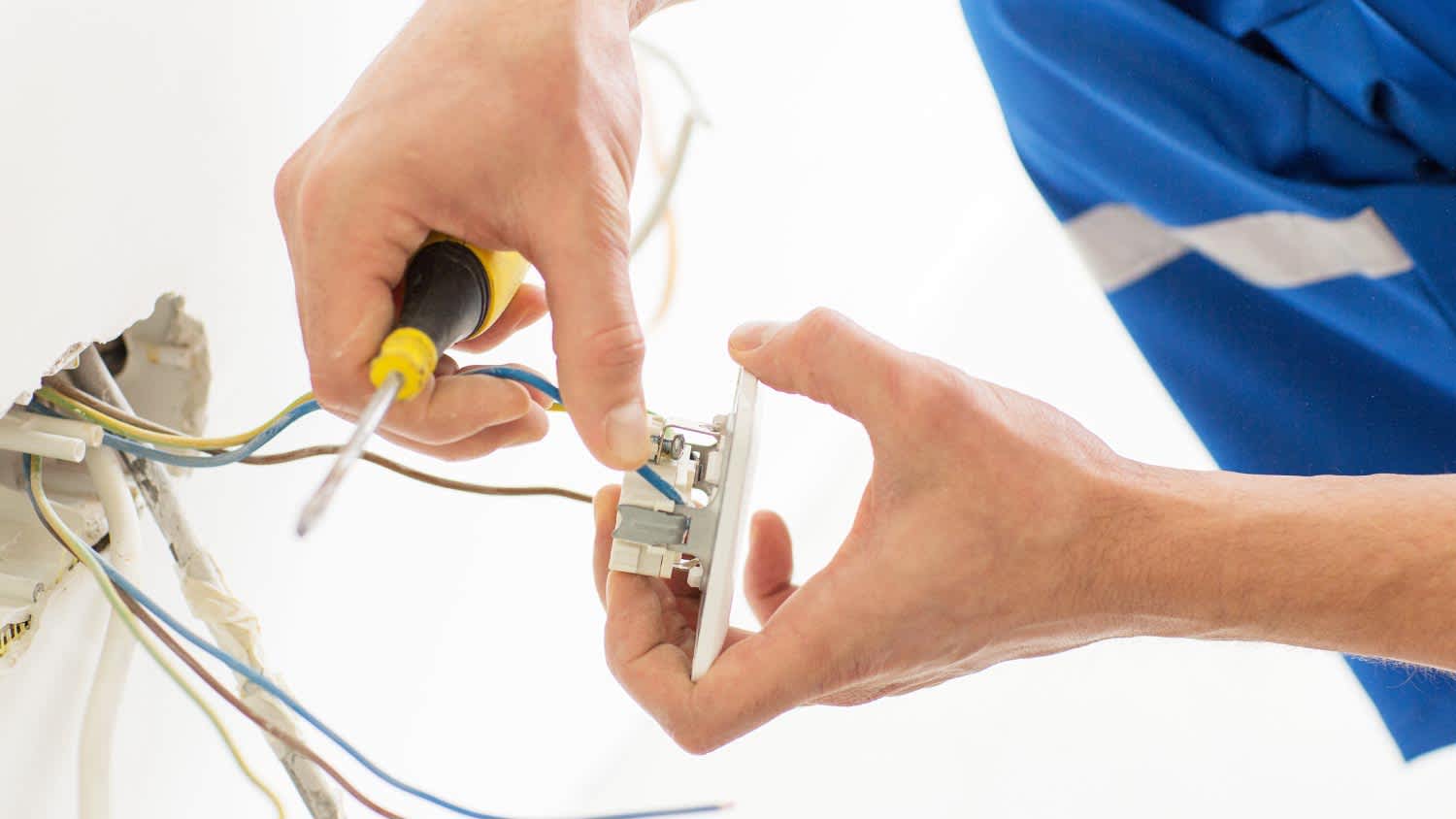
The cost to install a 220v outlet will depend on factors such as what type of 220v outlet you need and other key factors you can learn about in this cost guide.

Installing an outdoor outlet is a relatively affordable way to take your outdoor space to the next level. Find out the cost to install outdoor outlets
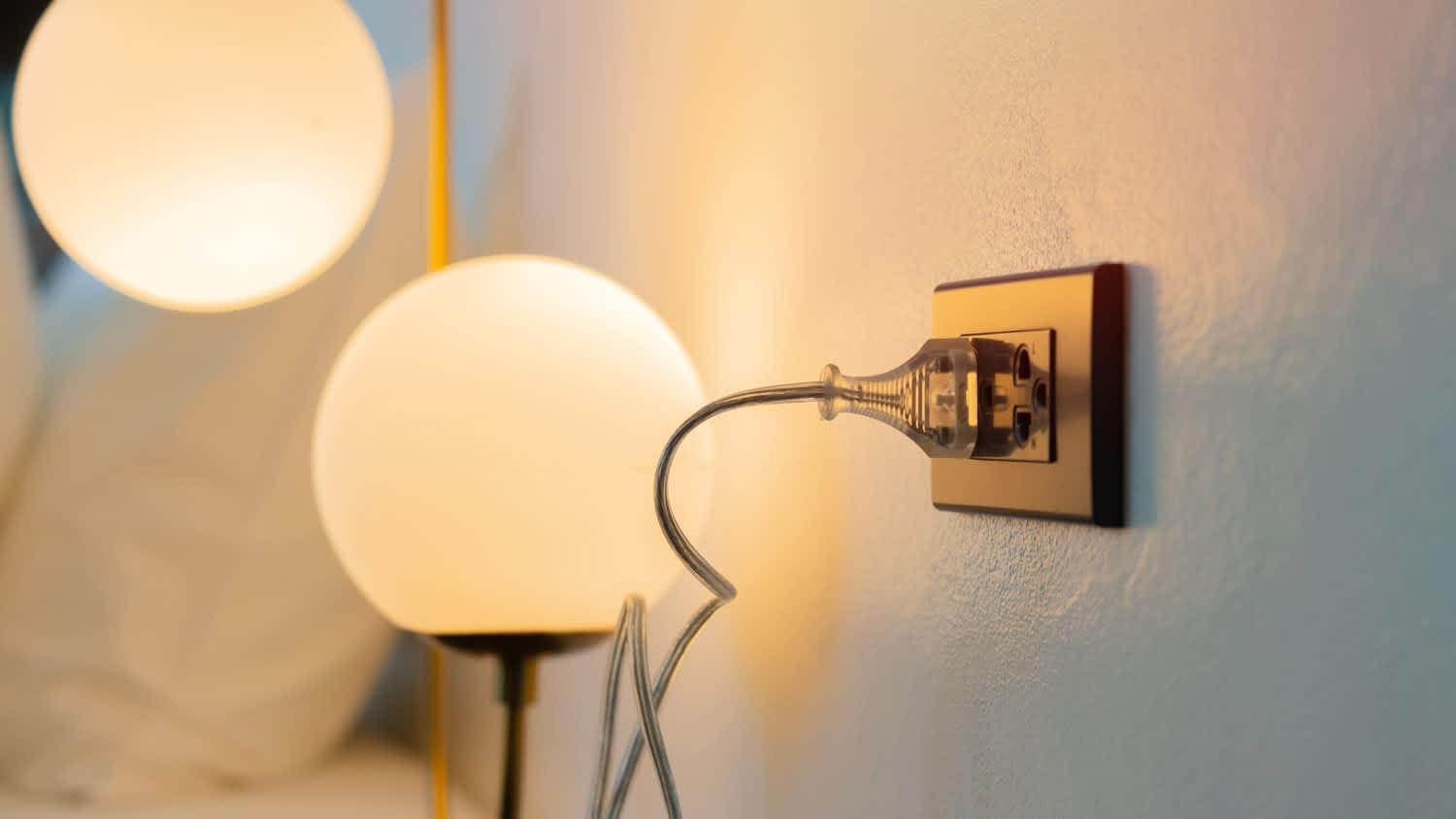
Can electrical outlets be installed sideways? Learn if orientation matters when installing outlets and why it may be installed sideways.
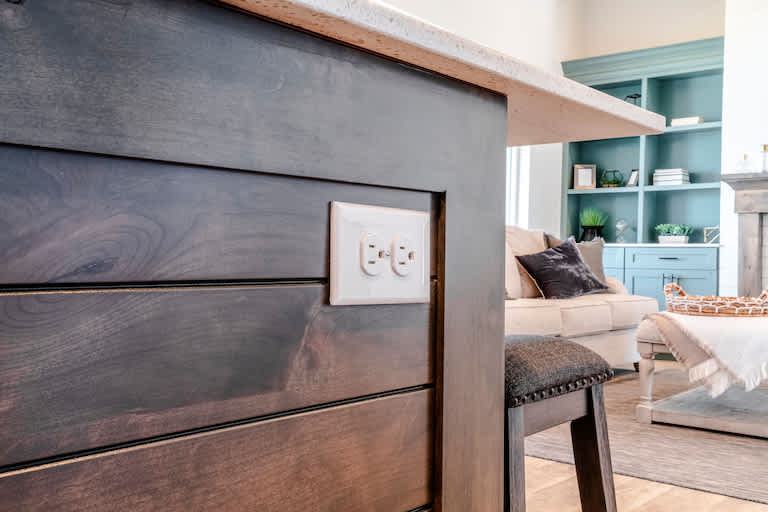
An outlet that sparks frequently is hazardous, and you should address it ASAP. Find out why an outlet sparks when plugging in your devices.
If your outlet stopped working and your breaker has not tripped, it could be due to several reasons. Learn how to fix an outlet with our guide.