



Top-rated excavation pros.

Get matched with top excavation pros in Ridge Spring, SC

Enter your zip and get matched with up to 5 pros

Need a pro for your excavation project in Ridge Spring, SC?

Select your specific project to find the pro for you.

TRUSTED BY RIDGE SPRING, SC HOMEOWNERS

  • Average homeowner rating star icon4.7
    Average homeowner rating
  • Verified reviews icon23
    Verified excavation services reviews

Find Excavation pros in Ridge Spring

Avatar for Perez Lawn Care
Perez Lawn Care
4.8(
4
)
Landscape - Minor Grading or Resloping

Serving Ridge Spring, SC and surrounding areas

Approved

In business since 2019

Free estimates

Credit card accepted

"they came up to give me an estimate and once we agreed on the estimate we setup a time for the next day to fix the busted pipe and change the valve due to being so close to the busted area of the pipe. they showed up on time and after the fix they made sure the pipe was not leaking. they were professional, courteous, punctal and reasonably priced. I recommend them to anyone and will definitely call on them again if needed to."
Response time6 hrs
7 neighbors recently requested a quote
Avatar for Palmetto Excavation Services, LLC
Palmetto Excavation Services, LLC
5.0(
1
)
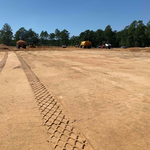
Building Site - Preparation and Clearing

Serving Ridge Spring, SC and surrounding areas

Approved

In business since 2024

Free estimates

Credit card accepted

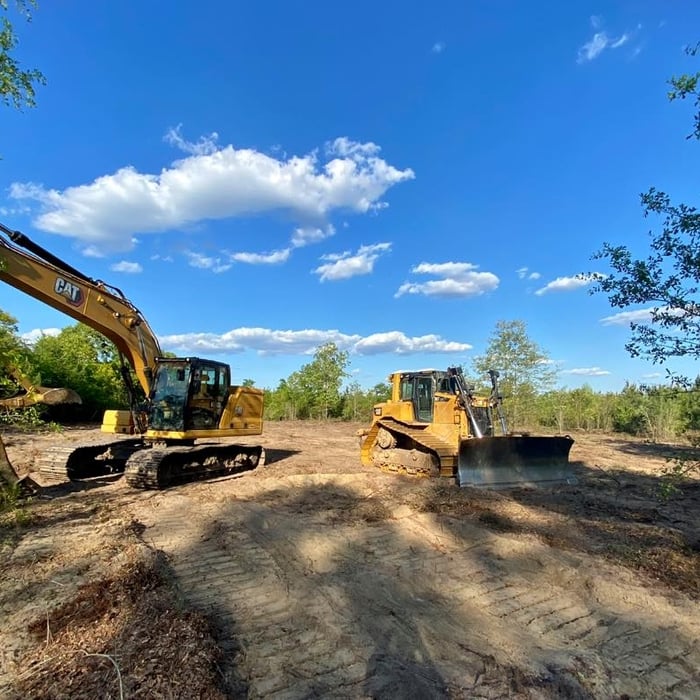
"This company has excavators and skidsteers and cleared my property very efficiently and did a heck of a job. I had a few acres of trees cleared some being populars, oaks and pines. Would highly recommend chase and his crew"
Response time9 hrs
3 neighbors recently requested a quote
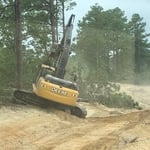
Paul's Landscaping Services
4.9(
31
)
Landscape - Minor Grading or Resloping

Serving Ridge Spring, SC and surrounding areas

In business since 2019

Free estimates

Credit card accepted

"I have had an awful time getting my lawn done since my lawnmower broke. I have had 3 separate men and do my yard, each one was a disaster! I remembered angies list off of and ad and called. Paul call within 10 minutes and set a time to come and give me a quote on doing my yard. I agreed to price and he came with his crew the next day. They went far and beyond what I expected. So much so I have them coming back to do deep shrubbery cutting and flower bed clean up. I have also set up for them to start lawn maintenance for a year. Highly recommended them, they will not disappoint."
Lexington refresh
Lexington refresh
Lexington refresh
Response time2 days
Recommended by100%of homeowners
...
Showing 1-10 of 89
Excavating questions, answered by experts

Maintain open communication and address issues as they arise, ensuring contract terms cover potential delays.

Trenching and boring are two distinct methods for installing underground utilities. Trenching involves digging a channel using equipment like an excavator, trencher, backhoe, or shovel. While it is a simpler process, it causes significant disruption to the surface, landscaping, and surrounding ecosystems.

Boring, also known as directional boring, is a less invasive alternative that uses a drill to create a tunnel for utility lines without disturbing the surface. This method is more precise and is ideal for installations that need to go underneath buildings, roads, or bodies of water. Although boring is less disruptive, it is generally more expensive than trenching.

A walk-behind trencher can cut through roots as long as they’re not too thick, making a project much easier than digging with a shovel and other hand tools. Assess your terrain and the number of trees in the surrounding area to determine if a walk-behind trencher will ease the job. Digging a trench by hand is much more time-consuming and labor-intensive. 

There is no standard depth for burying a septic tank; they are typically buried anywhere from 4 inches to 4 feet underground. The final depth depends on several factors, including the depth of your main sewer line, the height of the bedrock, soil type, local regulations, and the property's landscape. If you plan to grow grass or plants over the tank, a depth of at least 4 to 6 inches is recommended. Deeper tanks can be more difficult to locate, but a septic professional can help find it for you.

Depth is not a qualifying component of evacuation. Any human-made cut, cavity, or depression in the earth’s surface is considered excavation. The hole from excavation can be any size, shape, or depth. Excavation is used to create foundations, reservoirs, drainage ditches, and roads. Long, narrow excavations are called trenches and are often used for underground utilities.

The Ridge Spring, SC homeowners’ guide to excavation services

From average costs to expert advice, get all the answers you need to get your job done.