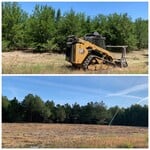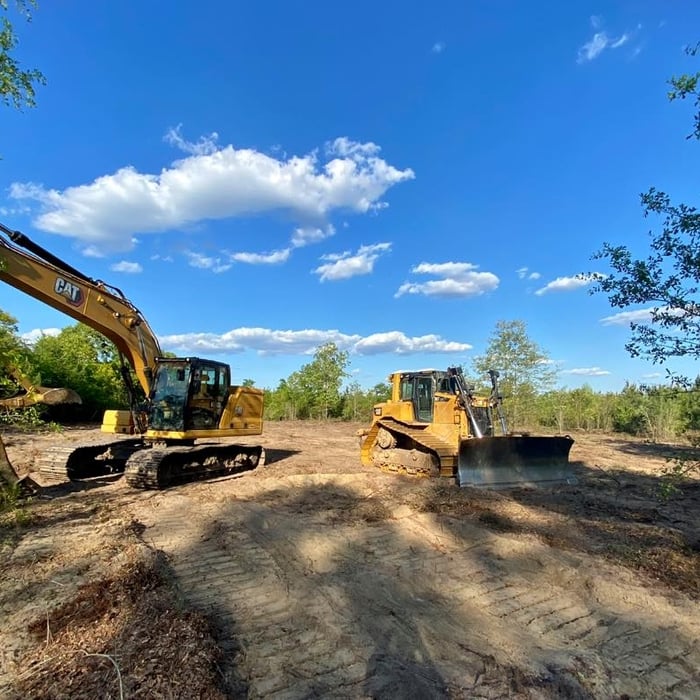
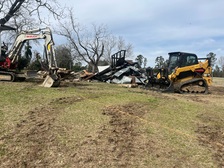





"Love this business. I really recommend this guy! I called him and he very quickly gave me an estimate. Then just a couple of days later he came in and removed 5 of my trees and cleaned up afterward and he also hauled off the trees! Great guy and great service. Highly recommend!!"
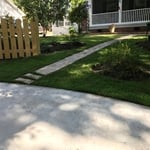
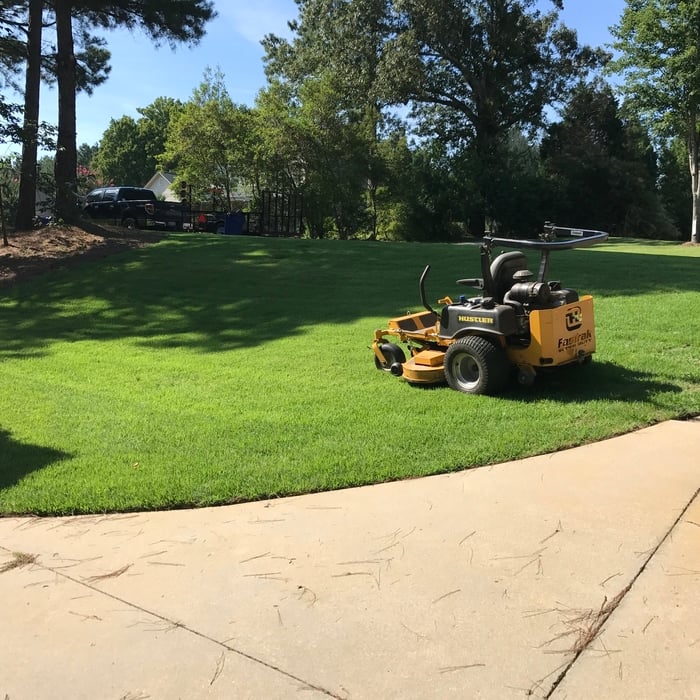
"They did an incredible job on our yard, great communication and showed up on time. They made our yard look absolutely beautiful, they built a retaining wall and did absolutely gorgeous landscaping and put sod in our front and back yard. I would recommend them to anyone they are a 10 out of 10"
"Lee was very professional. Provided me with detailed estimate and completed the job in the time we agreed upon. Would definitely do future business with this company."
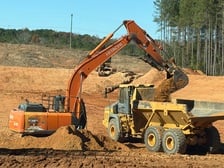
Yes, an excavation company is the best option for land grading and yard leveling. General landscapers might be able to tackle these projects, but an excavation company will do a better job because they’re used to operating the necessary heavy machinery. Landscapers might opt to do the work manually, which takes much longer and could cost you more in labor fees. Finally, excavation companies will understand local regulations and know when you need permits to legalize the work, while a landscaper might not.
Excavation is priced in cubic yards, so you’ll need to find the volume of the area in order to calculate costs. Multiply the length, width, and proposed depth of your excavation site, then convert it into yards to get the volume. Multiply this figure by the price per cubic yard.
Most homeowners can measure by hand to get a rough estimate, even if it’s tedious. You may want to pull out a tape measure or use a string to help mark the area.

No, a ditch isn’t a trench. A ditch is an open, relatively shallow channel that’s carved out of the ground and used for drainage purposes. In contrast, a trench is a deeper excavation that’s entirely underground. Trenches have many uses, including gas lines, sewage systems, and electrical wiring. Unlike trenches, ditches don’t get filled back in with dirt after they’re dug.
In the United States, a depth of 36 inches (three feet) for underground water lines is the accepted industry standard. This depth varies from location to location based on local conditions. In areas with colder winters, they may be buried deeper to prevent frozen well water pipes : This is usually at least six inches below the frost level. The International Plumbing Code calls for a minimum of 12 inches below grade.
The physical constraints of hand-drilling a well limit the depth you can achieve. Manually digging with picks and shovels may only lead to shallow wells of up to 60 feet in depth. To reach greater depths, you need more specialized equipment. The diameter of your well and the tools you’re using will determine how far down you can dig.
The Gloverville, SC homeowners’ guide to excavation services
From average costs to expert advice, get all the answers you need to get your job done.
Excavation costs $1,500 to $6,300 for most residential projects—but it depends on factors like the size of the area. This guide will help you plan a budget.
You can't have an in-ground pool without digging into the ground. How much does pool excavation cost, and can you take it on yourself? Our guide explains.
Picking the right pro can make or break your project. Learn how to hire an excavation pro with the qualifications and skillset to do the job efficiently.